
Erin Moriarty: From Indie Films to Superhero Stardom
Introduction: A Modern Hollywood Trajectory
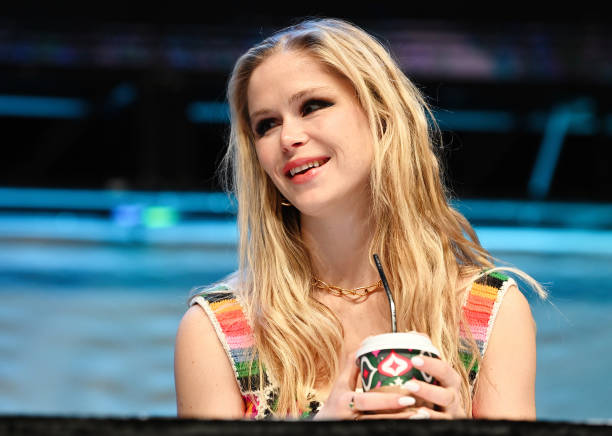
Erin Moriarty has built a career that reflects the evolving structure of modern entertainment—one where streaming platforms, independent cinema, and franchise television intersect. Best known for her role as Annie January, also called Starlight, in The Boys, Moriarty represents a generation of actors whose rise has been shaped as much by digital-era storytelling as by traditional film pathways.
- Introduction: A Modern Hollywood Trajectory
- Early Foundations: A Career That Began in Youth
- Breaking Into Film and Prestige Television
- Defining Role: Starlight in The Boys
- Career Expansion and Recent Projects
- Public Scrutiny and Industry Challenges
- Artistic Identity and Industry Position
- Conclusion: A Career Still in Formation
Her career is not defined by a single breakout moment but rather by a sequence of strategic roles across television and film, gradually positioning her as one of the most recognizable faces in contemporary streaming drama.

Early Foundations: A Career That Began in Youth
Born on June 24, 1994, in New York City, Moriarty entered acting at an early age. Her first performance came at just 11 years old in a community theater production of Annie, signaling an early commitment to the craft.
Instead of following a conventional academic path after high school, she chose to defer college and pursue acting full-time—an early decision that would prove pivotal. Her initial professional appearances came in television, including roles in One Life to Live and Law & Order: Special Victims Unit, where she began building industry experience as a teenager.
Breaking Into Film and Prestige Television
Early Film Roles and Indie Recognition
Moriarty’s transition into film began with supporting roles that introduced her to broader audiences. She appeared in The Watch (2012) and gained further attention in The Kings of Summer (2013), an independent coming-of-age film that helped establish her credibility in indie cinema.
Her performance in Captain Fantastic (2016), a critically acclaimed film, marked a turning point. The project earned ensemble recognition, including a nomination for a Screen Actors Guild Award—placing her alongside a respected cast and elevating her profile within the industry.
Expanding Television Presence
Simultaneously, Moriarty developed a strong television portfolio. She appeared in True Detective and later secured a significant role in Jessica Jones, where she portrayed Hope Shlottman.
In Jessica Jones, her character’s storyline—centered on trauma and manipulation—demonstrated her ability to handle emotionally complex material, broadening her appeal beyond conventional supporting roles.
Defining Role: Starlight in The Boys
Entering the Superhero Genre
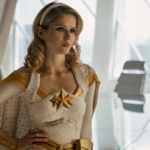
Moriarty’s casting as Annie January / Starlight in The Boys in 2017 marked the most consequential shift in her career. The series, released in 2019, offered a subversive take on superhero narratives, blending satire with darker themes of power and corruption.


Her character—an idealistic hero confronting the moral contradictions of corporate-controlled superheroes—quickly became central to the show’s narrative.
Cultural Impact of the Role
Unlike traditional superhero portrayals, Starlight represents vulnerability, ethical conflict, and resistance. Moriarty’s performance has been widely associated with the show’s emotional core, contributing to its sustained popularity across multiple seasons.
The role also extended beyond television. Moriarty voiced and lent her likeness to the character in Call of Duty: Modern Warfare II, demonstrating how modern entertainment franchises expand across platforms.
Career Expansion and Recent Projects
Following the success of The Boys, Moriarty continued to diversify her portfolio. She appeared in films such as The Miracle Season, Driven, and Catching Dust, while also taking on roles in emerging projects, including the neo-noir thriller Lips Like Sugar announced in 2024.
Her work reflects a balance between mainstream visibility and selective involvement in character-driven stories—a strategy increasingly common among actors navigating both streaming and cinematic markets.
Public Scrutiny and Industry Challenges
Online Harassment and Public Response
Moriarty’s rising visibility has also exposed her to the pressures of digital culture. She has been the subject of misogynistic online trolling related to her role in The Boys.
In January 2024, media personality Megyn Kelly speculated publicly about changes in Moriarty’s appearance, prompting a direct response from the actress. Moriarty denied undergoing plastic surgery, attributing her appearance to natural factors such as aging, weight loss, and makeup.
The incident highlighted broader issues within the entertainment industry—particularly the scrutiny faced by women in the public eye and the role of media commentary in amplifying such narratives.
Health Disclosure
In May 2025, Moriarty revealed that she had been diagnosed with Graves’ disease, an autoimmune condition.
This disclosure added another dimension to her public narrative, illustrating the intersection between personal health and professional life in a high-visibility career.
Artistic Identity and Industry Position
Moriarty’s trajectory illustrates several broader trends in contemporary acting careers:
- Hybrid career pathways: Movement between indie films, prestige television, and streaming franchises
- Character-driven roles: A consistent focus on emotionally complex characters
- Cross-platform presence: Participation in television, film, gaming, and music projects
Her vocal contribution to the song “Never Truly Vanish” in The Boys further underscores her willingness to extend beyond traditional acting roles into musical performance within narrative contexts.
Conclusion: A Career Still in Formation
Erin Moriarty’s career remains in an active phase of development rather than consolidation. While The Boys has defined her public identity, her broader body of work suggests an actor intent on maintaining versatility rather than being confined to a single genre.
Her trajectory reflects the realities of modern Hollywood: increased visibility through streaming platforms, heightened public scrutiny, and expanding opportunities across media formats.
As new projects emerge and her career evolves, Moriarty’s position within the industry will likely continue to be shaped by both her role choices and the cultural conversations surrounding them.