


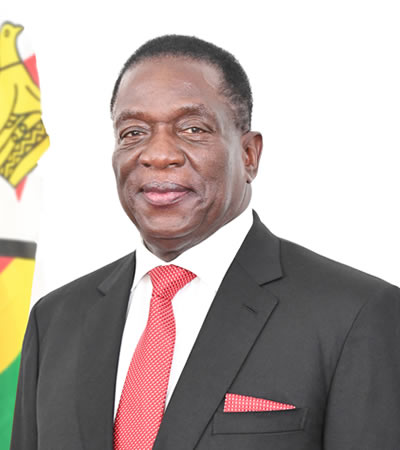
Emmerson Mnangagwa Net Worth: Power, Wealth, and the Politics Behind the Numbers
Introduction: Why Mnangagwa’s Wealth Draws Global Attention
The question of Emmerson Mnangagwa’s net worth is more than a curiosity—it sits at the intersection of politics, economics, and public accountability in Zimbabwe. As the country’s president since 2017, Mnangagwa’s financial standing has become a focal point for both supporters and critics, particularly given Zimbabwe’s prolonged economic struggles.
- Introduction: Why Mnangagwa’s Wealth Draws Global Attention
- Who Is Emmerson Mnangagwa?
- Official Earnings: What the Salary Data Shows
- Estimated Net Worth: A Wide Range of Figures
- Sources of Wealth: Beyond the Presidential Salary
- Public Perception and Controversy
- Wealth in Context: Zimbabwe’s Economic Reality
- The Political Economy of Power and Wealth
- Conclusion: A Net Worth Shaped by Power and Perception
Official salary data presents one narrative. Unverified estimates and reports suggest a very different one. The gap between these perspectives has fueled ongoing debate about wealth accumulation among political elites in Africa and what it means for governance.
This article examines Mnangagwa’s income, estimated net worth, sources of wealth, and the broader implications for Zimbabwe’s political economy.
Who Is Emmerson Mnangagwa?
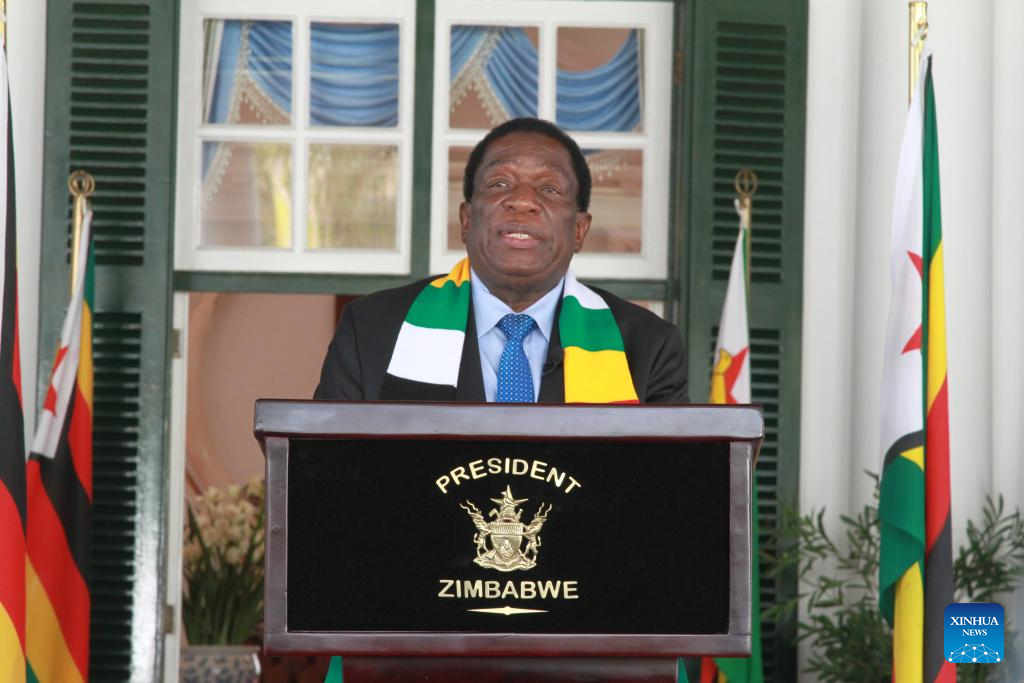
Emmerson Mnangagwa, born on 15 September 1942, is a veteran Zimbabwean politician and the country’s current president, having assumed office in 2017 following the end of Robert Mugabe’s long rule.
A member of ZANU–PF, Mnangagwa has spent decades in government, holding key roles such as Minister of State Security, Minister of Defence, Minister of Justice, and Vice-President before ascending to the presidency.


Often nicknamed “The Crocodile”, a reference to his political style, Mnangagwa’s career spans more than half a century—making him one of the most influential figures in Zimbabwe’s modern history.
Official Earnings: What the Salary Data Shows
According to available salary data, Mnangagwa earns:
- Annual salary: TSh 381,134,055
- Monthly salary: TSh 31,761,171
- Weekly income: TSh 7,329,501
- Daily income: TSh 1,465,900
These figures position him among Africa’s well-compensated heads of state, though not at the very top compared to some regional counterparts.
However, salary alone does not fully capture the economic reality of a sitting president. Official compensation typically excludes a wide range of benefits, including:


- State residences
- Official transport and security
- Travel allowances
- Institutional privileges
These significantly reduce personal expenses while enhancing overall financial capacity.
Estimated Net Worth: A Wide Range of Figures
While official disclosures remain limited, Emmerson Mnangagwa’s net worth is estimated between $10 million and $100 million, based on various reports and analyses.
This wide range reflects a fundamental issue:
There is no publicly verified figure.
Instead, estimates are built from indirect indicators, including:
- Business associations
- Historical political influence
- Reported asset ownership
- Alleged economic interests
The absence of formal asset declarations contributes to ongoing speculation and debate.
Sources of Wealth: Beyond the Presidential Salary
1. Business Interests and Networks
Although no major companies are officially registered under Mnangagwa’s personal name, reports suggest involvement—direct or indirect—in several sectors:
- Logistics and transport
- Fuel distribution
- Import-export operations
- Government procurement networks
These activities are often described as being conducted through associates, relatives, or proxy ownership structures, a model not uncommon among political elites.
2. Agriculture and Land Ownership
Zimbabwe’s land reform program reshaped agricultural ownership across the country. Mnangagwa is believed to control:
- Multiple commercial farms
- Tobacco and maize production operations
- Export-linked agricultural ventures
These farms are described as productive and commercially viable, contributing to long-term wealth accumulation.
3. Mining and Natural Resources
Zimbabwe is rich in natural resources, including:
- Diamonds
- Gold
- Platinum
- Lithium
Reports link Mnangagwa to mining interests and partnerships, particularly through indirect or state-linked arrangements.
The Marange diamond fields, in particular, have frequently been cited in discussions around political wealth and resource control.
4. Real Estate and International Holdings
Mnangagwa is also believed to hold assets in:
- Harare and Midlands Province
- Potential overseas locations (unverified reports include South Africa, Dubai, and Malaysia)
These holdings are often difficult to trace due to:
- Shell companies
- Proxy ownership
- Limited transparency frameworks
5. Political Influence as Economic Capital
Perhaps the most significant factor is political power itself.
In Zimbabwe, control over:
- Land allocation
- Mining licenses
- State contracts
- Trade partnerships
can translate into economic advantage. Reports suggest that Mnangagwa’s position enables access to opportunities not available to ordinary citizens or businesses.
Public Perception and Controversy
The gap between official salary and estimated wealth has fueled public scrutiny.
Key concerns include:
- Lack of transparent asset declarations
- Allegations of corruption or patronage systems
- Questions about the role of political networks in wealth accumulation
Despite earning a relatively modest official salary (reported elsewhere at roughly $48,000 annually), Mnangagwa benefits from extensive state privileges that significantly enhance his financial position.
International organizations have repeatedly called for greater financial transparency in Zimbabwe’s leadership structures.
Wealth in Context: Zimbabwe’s Economic Reality
The debate around Mnangagwa’s net worth cannot be separated from Zimbabwe’s broader economic conditions:
- High inflation and currency instability
- Widespread unemployment
- Ongoing structural reforms
In such a context, discussions about presidential wealth take on deeper meaning. They reflect:
- Public trust in leadership
- Perceptions of fairness
- The relationship between governance and economic opportunity
For many Zimbabweans, the question is not just how much Mnangagwa is worth—but how wealth is created and distributed in the system he leads.
The Political Economy of Power and Wealth
Mnangagwa’s case illustrates a broader pattern across many political systems:
- Long-term political influence often correlates with economic advantage
- State resources can become intertwined with personal networks
- Transparency mechanisms determine how visible—or hidden—wealth becomes
His rise from guerrilla fighter to president mirrors Zimbabwe’s own political evolution, while his financial profile reflects the complexities of governing a resource-rich but economically challenged nation.
Conclusion: A Net Worth Shaped by Power and Perception
Emmerson Mnangagwa’s net worth remains one of Zimbabwe’s most debated topics—not because of a single confirmed figure, but because of what it represents.
On paper, his earnings are clear and structured. In practice, his wealth is shaped by:
- Decades of political influence
- Strategic positioning within Zimbabwe’s ruling system
- Alleged links to key economic sectors
The result is a financial profile that is both significant and opaque.
Until greater transparency is introduced, Mnangagwa’s true net worth will likely remain a subject of speculation—reflecting not only his personal story, but also the broader dynamics of power, wealth, and governance in Zimbabwe.