




Electric Cars in 2026: A Future Driven by Energy Shocks and Consumer Choice
The global conversation around the electric car has shifted again—this time driven less by environmental idealism and more by economic pressure.
In early 2026, oil markets have been destabilized by ongoing geopolitical tensions, particularly the war involving Iran. Brent crude prices climbed to around $115 per barrel, pushing gasoline prices sharply higher. In places like San Diego, fuel reached nearly $5.93 per gallon, with some areas exceeding $6. This surge has created immediate financial pressure on drivers, forcing households to reconsider how they power their daily commutes.
For many, the calculation has become straightforward: when a month of fuel begins to rival—or exceed—a car payment, alternatives become more compelling. Electric vehicles (EVs), once viewed as a long-term environmental investment, are now being reconsidered as a short-term economic solution.
Dealerships are reporting renewed interest. Sales managers note a “huge climb” in plug-in hybrids and fully electric vehicles, with buyers increasingly motivated by cost predictability rather than environmental concerns.
The Economics Behind the Shift
The renewed attention toward electric cars is not purely emotional—it is grounded in numbers.
Households in the United States typically consume between 50 and 60 gallons of gasoline per month. At $4 per gallon, that translates to roughly $240 monthly. However, in high-cost regions where fuel exceeds $6 per gallon, that figure climbs significantly, placing strain on household budgets.
Electric vehicles, while generally more expensive upfront—about $6,500 more than comparable gasoline cars—offer lower long-term operating costs. Electricity is cheaper per kilometer than petrol, and EV owners save approximately 50% on maintenance due to fewer moving parts and simpler mechanical systems.
Over time, this cost structure becomes decisive. Drivers who travel frequently or commute long distances are more likely to benefit financially from switching to electric.
However, the transition is not immediate. Analysts emphasize that short-term spikes in fuel prices are rarely enough to trigger mass adoption. Consumers typically require sustained high fuel costs over several months—or even years—before making major purchasing decisions.
Energy Security: A New Motivation for Electrification
Beyond personal savings, a broader shift is underway: consumers are increasingly motivated by energy independence.
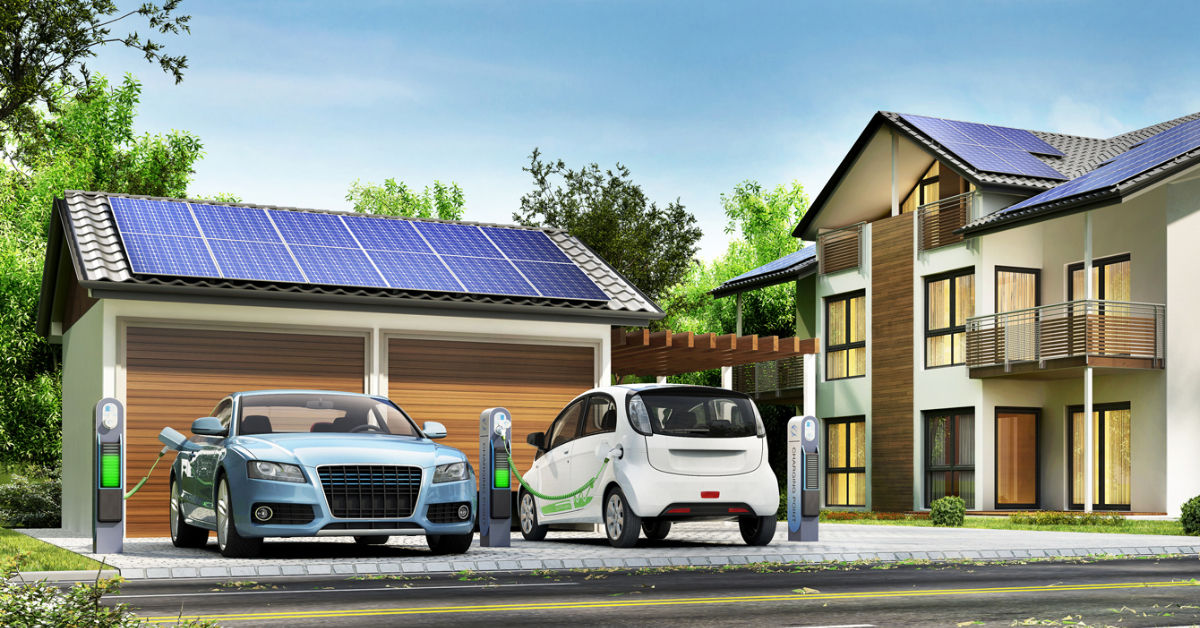
Electric cars are part of a larger ecosystem that includes solar panels, home energy systems, and battery storage. This “closed loop” model—where households generate electricity via solar and use it to power vehicles—has gained traction.
As one dealership manager put it, solar energy is effectively becoming “free gas” for EV owners.
This trend reflects a deeper concern. Volatility in oil markets, driven by geopolitical conflict, has exposed the vulnerability of fossil fuel dependence. Industry experts describe the current situation as the “second energy shock of the 2020s,” following the disruption caused by the Russia–Ukraine conflict.
International Energy Agency leadership has reinforced this perspective, noting that the primary driver of electrification is no longer climate change alone, but energy security.
A Global Trend, Not a Local Phenomenon
The shift toward electric mobility is not confined to one region. Across the world, similar patterns are emerging:
- In Southeast Asia, consumers are flocking to EV showrooms.
- In Pakistan, electric motorcycles and rickshaws are rapidly gaining market share.
- In Europe, inquiries for electric cars have risen sharply, with some markets reporting increases of nearly 30%.
- In Denmark, weekly searches for used EVs have surged dramatically, reflecting price-sensitive consumer behavior.
This global response highlights a consistent pattern: when fuel becomes expensive or uncertain, consumers look for alternatives that offer stability.
Even beyond cars, electrification is expanding into other areas—solar panels, induction stoves, and heat pumps—indicating a broader transition toward electric-based living.
The Paradox: Rising Interest, Slowing Production
Despite growing consumer interest, automakers are not accelerating EV production.
In fact, many companies are scaling back their electric ambitions. Several factors explain this contradiction:
- The removal of government incentives, such as the $7,500 tax credit in the U.S.
- High production costs, especially related to batteries
- Slower-than-expected consumer adoption in recent years
Electric vehicle sales in the U.S. declined slightly, dropping from 1.23 million units to 1.2 million last year. Forecasts suggest a potential 20% drop this year—the largest on record.
Major manufacturers are adjusting strategies accordingly. Some are halting production of high-cost electric models, while others are focusing on hybrid options or more affordable EVs.
Executives emphasize that customer behavior—not policy or ambition—will ultimately determine the pace of transition.
Technology and Performance: Why EVs Still Matter
Despite market fluctuations, the core advantages of electric cars remain intact.
Electric vehicles convert over 77% of electrical energy into motion, compared to roughly 15–20% efficiency for internal combustion engines. This fundamental efficiency gap translates into lower energy waste and improved performance.
EVs also offer:
- Instant torque and faster acceleration
- Reduced noise and smoother driving experience
- Lower maintenance due to fewer mechanical components
- No exhaust emissions, contributing to improved air quality
Battery technology continues to improve as well. Modern lithium-ion batteries are more durable than previously expected, often lasting the lifetime of the vehicle. Standard warranties typically cover eight years or 100,000 miles, with many batteries retaining significant capacity beyond that period.
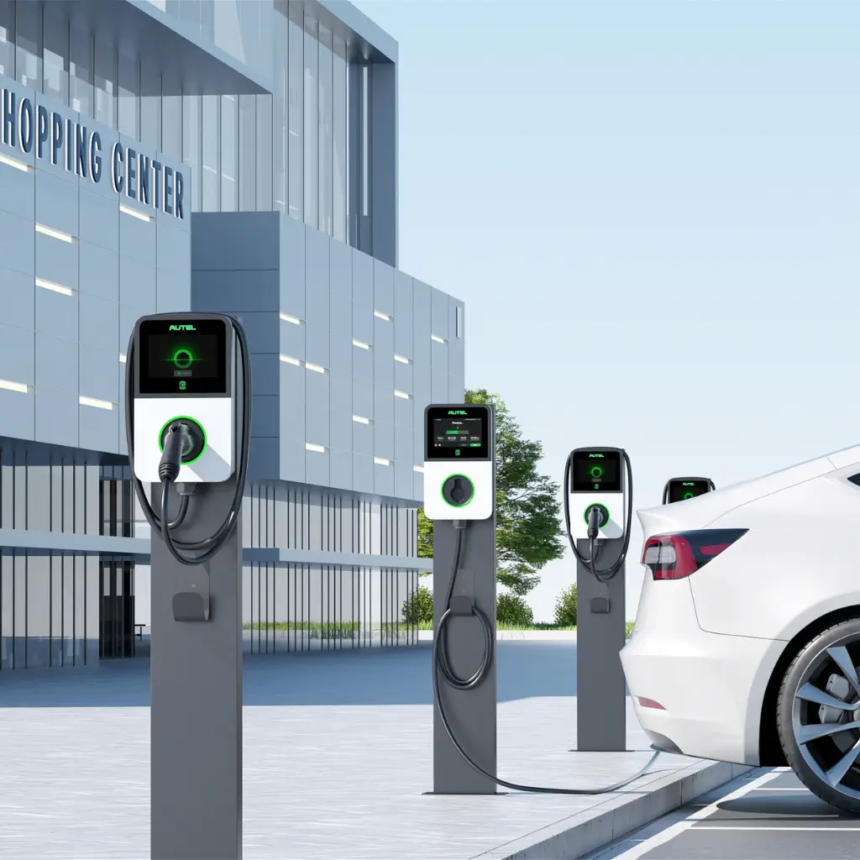
Charging infrastructure, while still developing, is expanding globally. Fast-charging stations can replenish up to 80% of battery capacity in as little as 15 to 20 minutes, reducing one of the key barriers to adoption.
Barriers That Still Hold the Market Back
Even with renewed interest, several structural challenges remain:
1. Upfront Cost
Electric vehicles remain more expensive to purchase than gasoline cars, limiting accessibility for many consumers.
2. Infrastructure Gaps
Charging networks are unevenly distributed, particularly in developing regions where EV adoption is still minimal.
3. Range Anxiety
Although improving, concerns about battery range and charging availability continue to influence buying decisions.
4. Policy Uncertainty
The removal of incentives in key markets has slowed momentum, highlighting the importance of stable regulatory support.
These constraints mean that interest does not always translate into immediate sales.
Historical Patterns: Energy Crises as Turning Points
History suggests that energy shocks often lead to lasting changes in transportation.
The 1973 oil crisis pushed consumers toward smaller, fuel-efficient vehicles and accelerated research into battery technology. Similarly, the high oil prices of the 2000s drove investment in renewable energy and electrification.
Today’s situation appears to follow the same pattern. While immediate changes may be limited, sustained pressure on fuel prices could reshape consumer behavior over time.
What Comes Next for Electric Cars?
The future of electric cars will depend on several interconnected factors:
- Fuel price stability: Prolonged high prices will likely accelerate adoption.
- Technology advancements: Continued improvements in battery cost and performance will reduce barriers.
- Infrastructure expansion: More charging stations will increase consumer confidence.
- Policy direction: Government incentives and regulations will play a critical role.
Forecasts suggest that global EV sales could reach over 31 million units by 2030, reflecting steady long-term growth despite short-term volatility.
Conclusion: A Transition Defined by Economics and Uncertainty
The electric car is no longer just a symbol of environmental progress—it is becoming a practical response to economic and geopolitical instability.
Rising fuel prices, driven by global conflict, are pushing consumers to reconsider how they power their lives. At the same time, technological improvements and falling operational costs are making electric vehicles increasingly viable.
However, the transition is uneven. Interest is rising, but structural barriers and policy shifts continue to slow adoption.
What is clear is this: each energy crisis brings the world closer to electrification. Whether driven by cost, convenience, or security, the momentum behind electric cars is building—not in a straight line, but with increasing force.