


Eddie Dalton: The AI Blues Singer Reshaping the Music Industry
A Phantom Artist Takes Center Stage
In an era where artificial intelligence is rapidly transforming creative industries, few stories have captured global attention quite like the rise of Eddie Dalton—a blues singer who, despite dominating charts and captivating listeners, does not exist.
- A Phantom Artist Takes Center Stage
- The Rise of an Unlikely Chart-Topper
- Behind the Curtain: The Creator Revealed
- How Eddie Dalton Broke the System
- Industry Backlash and Ethical Questions
- The Cultural Impact: Does Authenticity Still Matter?
- What Comes Next for AI in Music?
- Conclusion: A Turning Point in Music History
What began as a seemingly organic breakout moment in the blues genre quickly evolved into one of the most debated cultural phenomena of 2026. Eddie Dalton’s music climbed the charts, his songs resonated emotionally with listeners, and his presence spread across platforms. Yet behind the voice, the persona, and the growing fanbase lies a surprising reality: Eddie Dalton is entirely AI-generated.
This revelation has triggered a broader industry reckoning—raising critical questions about authenticity, creativity, and the future of music itself.



The Rise of an Unlikely Chart-Topper
Eddie Dalton’s ascent was not gradual—it was explosive.
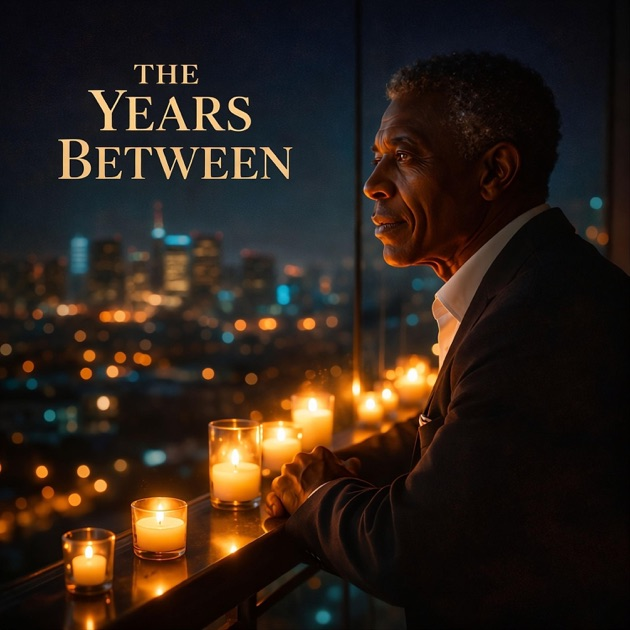
Within a single month, the artist secured 11 positions in the iTunes Top 100 singles chart, while his debut album “The Years Between” surged to No. 3 on the iTunes Top Albums chart.


Key tracks such as:
- “Another Day Old”
- “Running to You”
- “Cheap Red Wine”
- “Stay a Little Longer”
- “She Don’t Stay Long”
- “Somewhere Along the Way”
quickly gained traction, with “Another Day Old” alone surpassing 1.4 million views on YouTube, indicating strong engagement from listeners.
The music itself—described as “soulful” and “smooth”—drew comparisons to legendary blues and soul icons, blending emotional depth with a polished, vintage-inspired sound.
Yet, something about Dalton’s rise felt unusual.


There were no interviews.
No live performances.
No public appearances.
Only music—and mystery.
Behind the Curtain: The Creator Revealed
The illusion unraveled when it was revealed that Eddie Dalton was the creation of Dallas Ray Little, a content creator based in Greenville, South Carolina.
Operating under his company Crunchy Records, Little produces music using artificial intelligence tools, crafting not just songs but entire fictional artists.
In his own words:
“I don’t appreciate how my work has been characterized… Referring to it as a ‘content farm’ and suggesting people are being misled is inaccurate.”
He maintains that:
- All songs are written by him
- Social media content is labeled as AI-generated
- Listeners appreciate the music regardless of its artificial origin
However, inconsistencies—such as the lack of AI disclosure on certain platforms—have fueled skepticism and criticism.
How Eddie Dalton Broke the System
Beyond its novelty, Dalton’s success exposed structural weaknesses in how music charts operate.
The Key Mechanism
- iTunes rankings prioritize downloads
- Downloads can be artificially scaled
- Streaming engagement (e.g., Spotify) tells a different story
This created a scenario where an AI-generated artist could dominate charts with relatively modest actual listener engagement.
Data highlights include:
- 11 songs in Top 100
- Album reaching #3
- Limited streaming footprint compared to downloads
This discrepancy has led critics to question whether chart rankings still reflect genuine popularity—or if they can be engineered.
Industry Backlash and Ethical Questions
Dalton’s rise has not gone unnoticed by the music industry.
Artists and critics have raised concerns about:
- Copyright issues in AI training
- The use of human-like voices without human performers
- The fairness of AI artists competing with real musicians
High-profile figures like Elton John and Dua Lipa have already called for stricter regulations around AI-generated content.
Meanwhile, public reaction remains divided.
Some listeners focus purely on the music’s emotional impact:
“This song just hit me and made me realize how blessed I am…”
Others question whether:
- Fan engagement is authentic
- Comments are bot-generated
- The entire phenomenon is artificially amplified
The Cultural Impact: Does Authenticity Still Matter?
The Eddie Dalton case cuts to a deeper issue: what defines authenticity in modern music?
A widely shared observation captured the dilemma:
“If most listeners can’t tell the difference… does it actually matter?”
This question challenges long-held assumptions:
- Is music about the creator—or the emotional experience?
- Does authorship matter if the output resonates?
- Can AI replicate not just sound, but soul?
For some, Dalton represents innovation.
For others, he symbolizes a troubling erosion of artistic integrity.
What Comes Next for AI in Music?
The emergence of Eddie Dalton signals a turning point rather than an anomaly.
Likely Developments
- Regulation Pressure
Governments may introduce stricter laws around AI training data and disclosure. - Platform Reforms
Chart systems could shift toward:- Streaming metrics
- Listener retention
- Verified engagement
- Hybrid Creativity
Human-AI collaboration may become standard in music production. - Transparency Requirements
Platforms may require clear labeling of AI-generated content.
Industry analysts widely agree: this is only the beginning.
Conclusion: A Turning Point in Music History
Eddie Dalton is not just a viral sensation—he is a case study in how technology is redefining creativity.
His success reveals both:
- The power of AI to produce compelling art
- The vulnerability of systems designed for a different era
Whether viewed as innovation or disruption, Dalton’s rise forces the industry—and audiences—to confront a new reality:
Music no longer requires a human performer.
The implications are profound. And the debate is only just beginning.