


E3 Saxo Bank Classic 2026: A Tactical Preview of Cycling’s Mini Tour of Flanders
Introduction: The Defining Test Before the Monuments
The 2026 edition of the E3 Saxo Bank Classic arrives at a critical point in the spring classics calendar, functioning as both a proving ground and a tactical rehearsal for the cobbled Monuments ahead. Held on Friday, March 27, the one-day race—often described as the “mini Tour of Flanders”—once again places the spotlight on the brutal terrain of Flanders and the riders built to conquer it.
- Introduction: The Defining Test Before the Monuments
- A Course Designed to Expose Strength and Strategy
- The Tactical Landscape: A Race Without Its Usual Rivals
- The Central Figure: Mathieu van der Poel’s Pursuit of History
- The Challengers: Can Anyone Upset the Favorite?
- Race Identity: Why E3 Matters Beyond the Result
- Broadcast and Global Reach
- What to Expect: Key Scenarios That Could Shape the Race
- Conclusion: A Race That Sets the Tone for the Spring
With a demanding 208 km route beginning and ending in Harelbeke, Belgium, the race offers a condensed yet highly revealing preview of what will unfold in upcoming races such as the Tour of Flanders and Paris-Roubaix.
A Course Designed to Expose Strength and Strategy
The Anatomy of the Route
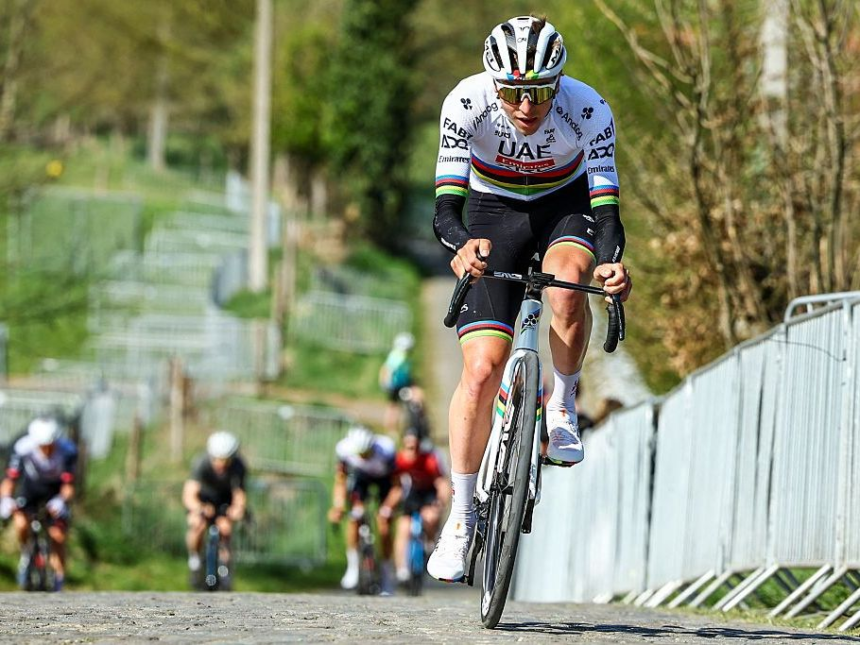
The E3 Saxo Bank Classic is defined by its relentless succession of short, sharp climbs and iconic cobbled sectors. The 2026 route introduces subtle but significant changes, including:


- A double ascent of the Oude Kwaremont
- The addition of the E3-Col climb (1.2 km at 6%)
- Key climbs such as Taaienberg, Paterberg, and Eikenberg
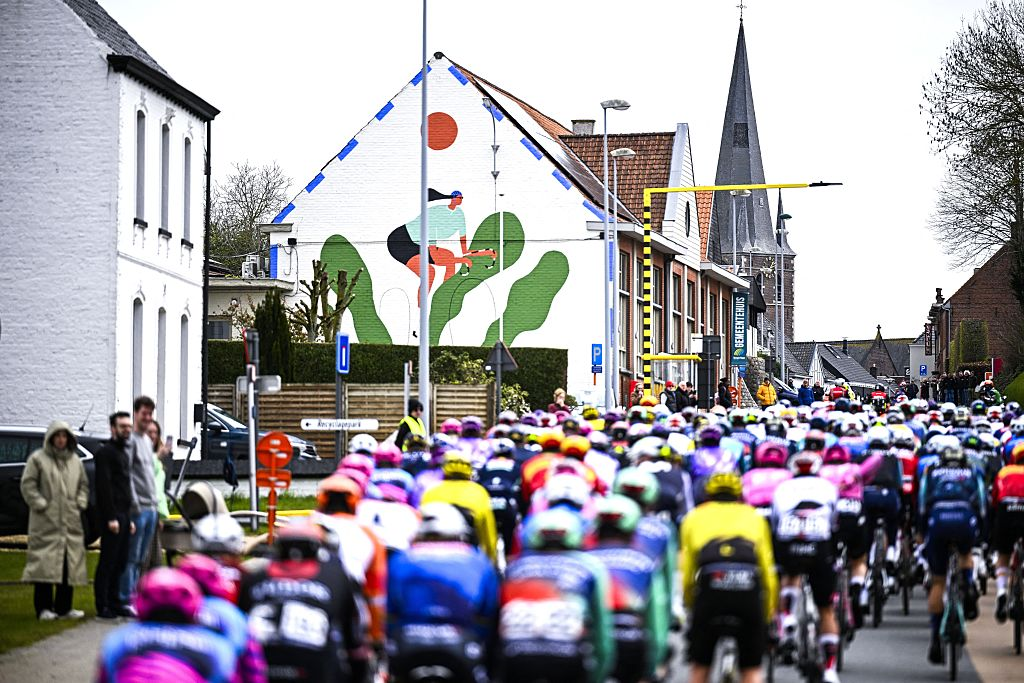
These features are strategically placed to escalate fatigue and force tactical decisions deep into the race. The decisive phase begins after approximately 120 km, where the peloton transitions from controlled racing into selective fragmentation.
The combination of Paterberg and Oude Kwaremont in the final 50 km remains the pivotal moment—terrain where races are not just contested, but often decided.



The Tactical Landscape: A Race Without Its Usual Rivals
A Shift in Competitive Balance
One of the defining narratives of the 2026 race is the absence of key contenders such as:
- Tadej Pogačar
- Wout van Aert
- Tom Pidcock
Their absence reshapes the competitive dynamic, removing several riders capable of matching the explosive power required on cobbled climbs.
This creates a rare scenario where the race may be less about multi-rider tactical battles and more about whether anyone can disrupt a dominant favorite.
The Central Figure: Mathieu van der Poel’s Pursuit of History
At the center of the narrative is Mathieu van der Poel, who enters the race as the overwhelming favorite.

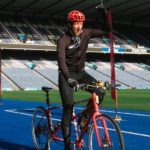

- Defending champion (2024, 2025)
- Seeking a third consecutive victory
- Known for explosive power on cobbled climbs
Van der Poel’s ability to accelerate on gradients like the Paterberg and maintain pace on long cobbled sectors gives him a decisive edge, particularly in a reduced field lacking its usual depth of challengers.
His recent form, including strong performances earlier in the season, reinforces his status as the rider to beat—even after facing tougher competition in previous races.
The Challengers: Can Anyone Upset the Favorite?
Despite the imbalance, several riders remain capable of influencing the outcome:
- Mads Pedersen
- Returning to form after injury
- Strong in reduced sprint scenarios
- Christophe Laporte
- A tactical wildcard with strong team support
- Jasper Stuyven and Dylan van Baarle
- Riders capable of long-range attacks
The race may hinge on whether teams such as Lidl-Trek or Soudal Quick-Step attempt to destabilize the race early, forcing Van der Poel into defensive riding rather than allowing him to dictate the tempo.
Race Identity: Why E3 Matters Beyond the Result
A Strategic Indicator for the Classics Season
The E3 Saxo Bank Classic is not just another one-day race—it is a benchmark event. Historically, performances here often foreshadow outcomes in the Monuments.
- It mirrors key sections of the Tour of Flanders route
- It tests both explosive climbing ability and endurance on cobbles
- It reveals team strategies and hierarchies
What unfolds in Harelbeke frequently influences tactical planning for the weeks that follow.
Broadcast and Global Reach
The 2026 race continues to attract a global audience, with multiple viewing options:
- Free-to-air coverage in Belgium and the Netherlands
- Streaming via platforms such as HBO Max, FloBikes, and Eurosport
- Start time: 11:50 AM GMT / 7:50 AM ET
This accessibility underscores the growing international appeal of the spring classics.
What to Expect: Key Scenarios That Could Shape the Race
Several race scenarios are likely:
- Solo Attack from Van der Poel
A familiar pattern, particularly on the Oude Kwaremont - Reduced Group Sprint
If teams manage to neutralize attacks in the final 20 km - Long-Range Breakaway
Initiated by teams aiming to disrupt the favorite’s control
The unpredictability of cobbled racing ensures that even a clear favorite is never guaranteed victory.
Conclusion: A Race That Sets the Tone for the Spring
The 2026 E3 Saxo Bank Classic represents more than a standalone event—it is a strategic and symbolic gateway into cycling’s most demanding phase of the season.
With Mathieu van der Poel chasing a historic third consecutive win and a field reshaped by notable absences, the race offers a unique blend of dominance, opportunity, and tactical intrigue.
Ultimately, what happens on the cobbles of Harelbeke will not only crown a winner but also establish the competitive hierarchy heading into the biggest races of the spring.