



Donald Trump and NATO: A Defining Moment for the Western Alliance
A New Flashpoint in Global Security
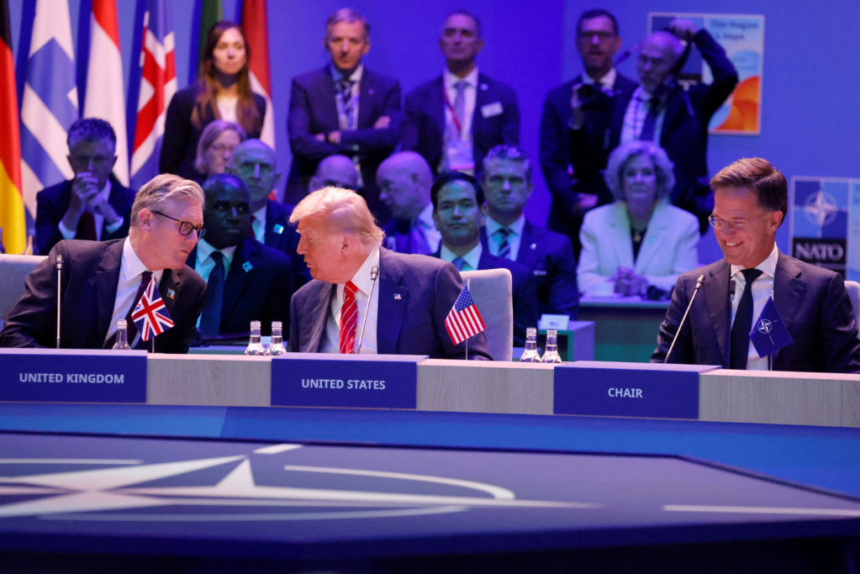
Tensions surrounding the future of the North Atlantic Treaty Organization have intensified after Donald Trump signaled he is “strongly considering” withdrawing the United States from the alliance. The remarks come amid escalating geopolitical conflict, particularly the ongoing war involving Iran, and reflect one of the most consequential foreign policy debates of the modern era.
- A New Flashpoint in Global Security
- Why NATO Matters: The Backbone of Post-War Security
- Trump’s Longstanding Criticism of NATO
- The Iran War: Catalyst for the Current Crisis
- Reactions from NATO Allies
- Can the U.S. Actually Leave NATO?
- The Strategic Stakes: What’s at Risk?
- A Pattern of Pressure and Leverage
- What Happens Next?
- Conclusion: A Turning Point for NATO
The potential shift has triggered alarm across Europe, renewed scrutiny of NATO’s structure, and sparked urgent discussions about the balance of global power. For an alliance that has underpinned Western security since 1949, the implications are far-reaching.
Why NATO Matters: The Backbone of Post-War Security
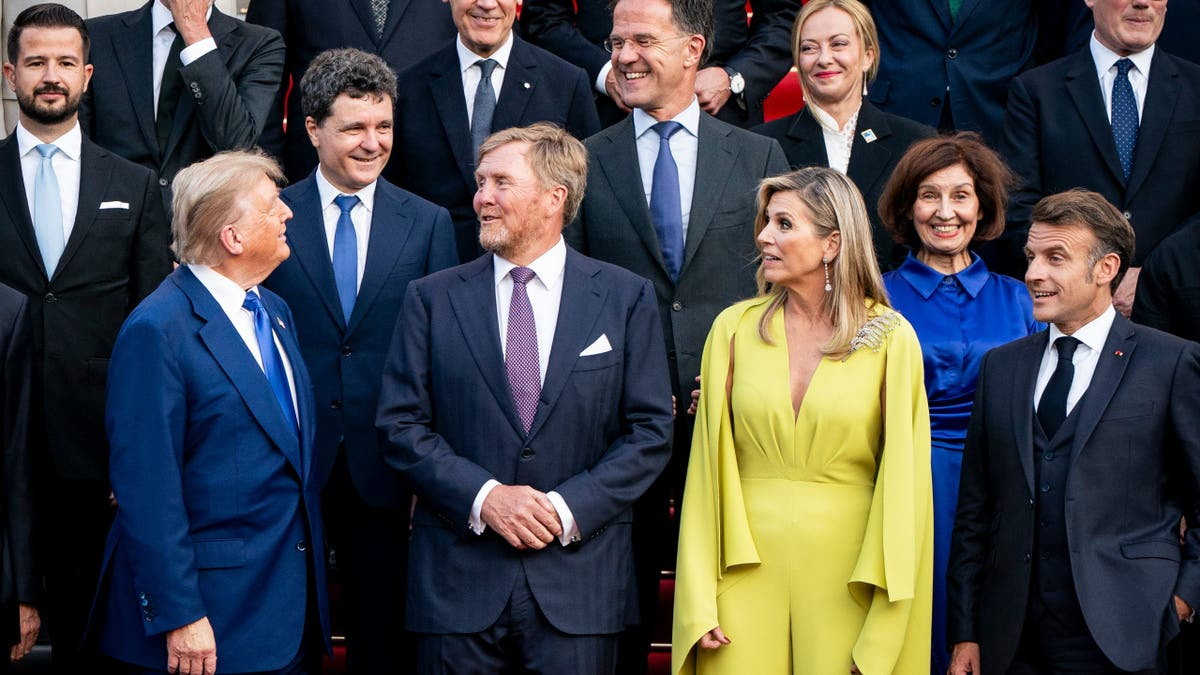
Formed in 1949, NATO is a collective defense alliance built on a simple but powerful principle: an attack on one member is considered an attack on all. Today, the alliance includes 32 member states spanning North America and Europe.


At the heart of NATO lies Article 5, the collective defense clause. However, invoking it requires consensus among members, not unilateral action.
Historically, NATO has only activated Article 5 once—after the September 11 attacks in 2001. This underscores how carefully the alliance manages direct military commitments.


The United States plays a dominant role within NATO, accounting for approximately 62% of the alliance’s total defense spending and providing unmatched military capabilities.
Trump’s Longstanding Criticism of NATO
Donald Trump’s skepticism toward NATO is not new. Even before his presidency, he described the alliance as “obsolete” and criticized member states for failing to meet defense spending commitments.
His current position builds on those earlier criticisms but is now sharpened by immediate geopolitical tensions. Trump has repeatedly argued that the U.S. bears a disproportionate burden, while allies fail to reciprocate when needed.
In recent remarks, he reiterated this frustration:



- “I always knew they were a paper tiger.”
- “We’ve been there automatically… They weren’t there for us.”
These statements reflect a broader shift toward transactional alliances—where U.S. participation is tied directly to perceived returns.
The Iran War: Catalyst for the Current Crisis
The latest escalation stems from disagreements over the U.S.-led military actions in Iran. Several NATO allies declined to participate or support the campaign, citing lack of consultation and unclear objectives.
Key points of contention include:
- Spain refused use of its airspace and bases
- Germany stated the conflict was “not our war”
- The United Kingdom limited involvement to defensive support
These responses appear to have reinforced Trump’s belief that NATO is failing to function as a unified military force.
He has framed the situation as a test of alliance loyalty—one he believes NATO failed.
Reactions from NATO Allies
Trump’s remarks have triggered swift and critical reactions from European leaders.
- U.K. Prime Minister Keir Starmer reaffirmed commitment to NATO, calling it “the single most effective military alliance the world has ever seen.”
- Officials across Europe described the withdrawal threat as “harmful” and “dangerous”
- Poland’s defense leadership warned it could “play directly into the hands of our adversaries”
Despite tensions, many leaders are attempting to maintain dialogue, emphasizing the alliance’s strategic importance.
Can the U.S. Actually Leave NATO?
The legal pathway for a U.S. withdrawal is complex and uncertain.
Under current U.S. law:
- A president cannot unilaterally exit NATO
- Withdrawal requires either:
- A two-thirds Senate majority, or
- An act of Congress
However, legal experts suggest potential workarounds exist. A president could attempt to invoke executive authority over foreign policy, potentially triggering a constitutional conflict between the executive branch and Congress.
The outcome of such a move would likely be decided in court, making the process both politically and legally contentious.
The Strategic Stakes: What’s at Risk?
A U.S. withdrawal from NATO would fundamentally alter the global security architecture.
1. European Defense Independence
European nations may accelerate efforts to build independent defense systems, reducing reliance on U.S. military support.
2. Shift in Global Power Dynamics
Adversaries such as Russia could benefit from weakened Western unity, potentially reshaping geopolitical alignments.
3. Economic and Security Ripple Effects
Instability in NATO could impact:
- Energy markets
- Trade routes (including the Strait of Hormuz)
- Global investor confidence
4. Credibility of Alliances
Even the suggestion of withdrawal has already eroded trust and cohesion within NATO.
A Pattern of Pressure and Leverage
Historically, Trump’s threats toward NATO have often coincided with increased defense spending by member states.
For example:
- NATO countries agreed to increase defense spending targets
- Commitments have expanded toward 5% of GDP by 2035
These developments suggest that pressure tactics may yield concessions, even if a full withdrawal does not materialize.
What Happens Next?
The immediate focus is on Trump’s anticipated national address, where further clarity on U.S. strategy may emerge.
Several scenarios remain possible:
- Continued tension without withdrawal
- Renegotiation of NATO commitments
- Partial disengagement from alliance operations
- Full-scale legal and political battle over withdrawal
Most analysts consider a complete exit unlikely in the near term, but sustained friction is expected.
Conclusion: A Turning Point for NATO
Donald Trump’s renewed threat to leave NATO represents more than political rhetoric—it highlights a fundamental debate about the nature of alliances in a shifting global order.
At stake is not just the future of NATO, but the broader question of how nations cooperate in an era of complex, multi-regional conflicts.
Whether the alliance adapts, fractures, or strengthens in response will define global security for years to come.