Don Cornelius Net Worth, Relationships, Age/Birthdate & Birthday
Overview of Don Cornelius — net worth, relationships, age/birthdate, and birthday.
 loveness92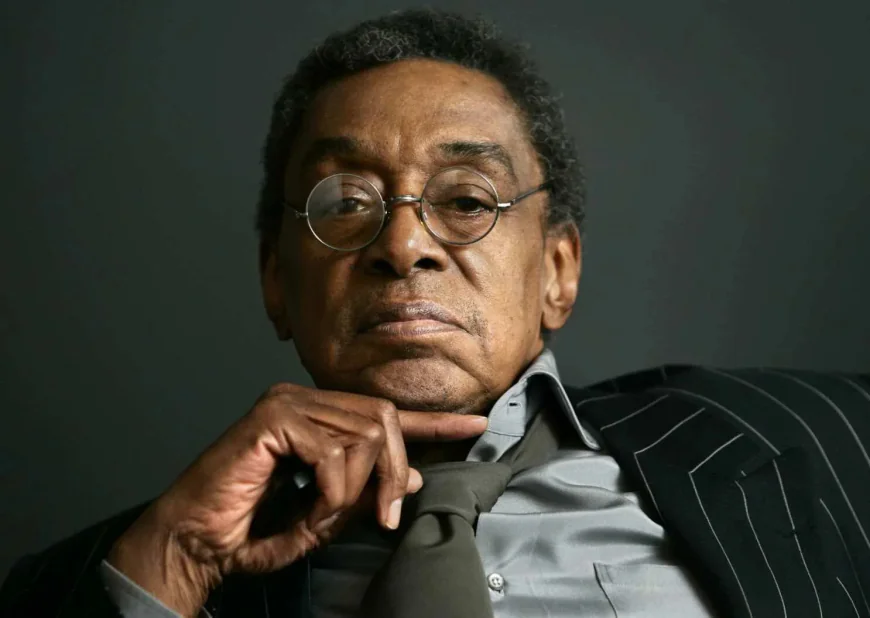
Don Cornelius — a name that still resonates whenever soul, dance, and black culture are celebrated — remains one of the most influential figures in American entertainment history. Born on September 27, 1936, Cornelius’s birthday marked the beginning of a life that would break barriers, launch careers, and permanently reshape how Black music and dance were represented on television.
A Vision Forged in Chicago: From Modest Beginnings to Big Dreams
Donald Cortez Cornelius grew up in Chicago’s South Side. After high school graduation in 1954, he served in the U.S. Marine Corps and spent 18 months in Korea. Back home, he worked various jobs — from selling tires and cars to insurance, and even served as a police officer — yet felt unfulfilled.
Everything changed in 1966. With only $400 in his pocket and a head full of ambition, Cornelius enrolled in a short broadcasting course. It paid off. He landed a job as an announcer, news reporter, and disc jockey at Chicago radio station WVON. A year later, he moved into television, hosting a news — and later youth-oriented — show at WCIU-TV called A Black’s View of the News.
By 1970, Cornelius was ready. Armed with his own modest savings and a deeply felt mission — to bring Black music, dance, and culture to the forefront — he launched a television pilot that would soon become something historic.
Changing the Rhythm of Television: The Rise of a Cultural Phenomenon
That pilot evolved into Soul Train — a dance- and music-based television show that premiered locally in Chicago in 1970, and moved to national syndication in 1971.
Under Cornelius’s leadership, Soul Train became more than a show — it was a cultural movement. Week after week, it showcased Black artists, dancers, fashions, and music that mainstream television had rarely embraced. Icons such as James Brown, Aretha Franklin, Michael Jackson and many others graced its stage.
Perhaps more than anything, Cornelius brought dignity, style, and pride to Black entertainment. He closed each show with his signature sign-off: “I’m Don Cornelius — and as always, we wish you love, peace and soul.”
Even after retiring from hosting in 1993, Cornelius remained deeply involved as a producer until Soul Train’s run ended in 2006. The show’s influence extended far beyond music — it shaped dance, fashion, television representation, and cultural identity.
Wealth and Legacy: The Economic Footprint of a Cultural Icon
At the time of his death, Cornelius’s net worth was commonly estimated to be around US$10 million. Some sources place the figure slightly higher — around US$15 million — reflecting the enduring value of the brand he built with Soul Train.
Much of that wealth derived from his ownership and production role in Soul Train, and from the show’s long syndication life, special events such as the Soul Train Music Awards, and various associated ventures.
Yet Cornelius’s true wealth lay beyond dollars. His legacy lives on in the countless artists whose careers he helped launch, in the dancers who found recognition on his platform, and in the broader influence — across music, dance, fashion, and representation — that continues to resonate decades after his final show. As one retrospective put it: he “became the bridge that brought the rich legacy of Black music to a global stage.”
Private Battles Behind the Spotlight: Personal Life and Struggles
Cornelius’s personal life was complex and often troubled. He fathered two sons — Anthony and Raymond — with his first wife, Delores Harrison. The marriage ended before Soul Train launched.
In 2001 he married a much younger Russian model, Viktoria Chapman (also referred to as Victoria Avila-Cornelius). But the marriage soured: by 2008, he was arrested on felony domestic violence charges related to an altercation at their Los Angeles home. In 2009, Cornelius pleaded no contest to “corporal injury resulting in traumatic condition of a spouse,” was placed on probation, and subjected to restraining orders.
On the health front, Cornelius faced serious challenges. In 1982, he underwent a grueling 21-hour brain surgery to correct a congenital deformity in cerebral blood vessels — a procedure that saved his life but left long-term consequences. Over the next decades, he reportedly struggled with seizures, and some close associates suggested that in his later years he may have experienced early signs of dementia.
Final Bow and Enduring Influence
On February 1, 2012, Don Cornelius died from a self-inflicted gunshot wound at his Los Angeles home.His passing was met with shock and grief, not just from the music and entertainment community, but from millions of fans worldwide who had grown up with Soul Train’s beats, moves, and spirit.
Yet even in death, his impact remains alive. Soul Train’s influence can still be seen in modern music videos, dance culture, hip-hop, television, and how Black artistry is celebrated globally. The platform he built gave voice and visibility to generations who might otherwise have gone unnoticed. As many remember, Don Cornelius didn’t just produce a show — he changed the rhythm of culture.
Why Don Cornelius Still Matters
-
Representation and Visibility: At a time when mainstream TV rarely gave space to Black culture, Cornelius built a platform that elevated Black music, dance, and style to a national — and lasting — stage.
-
Cultural Bridge: Soul Train connected communities across racial and geographic lines, introducing soulful music and dancers to audiences who might never have experienced them otherwise.
-
Legacy of Opportunity: Many legendary artists and lesser-known dancers got their first exposure through Soul Train. The show became a launchpad.
-
Entrepreneurial Vision: Cornelius’s journey — from modest jobs to media mogul — embodies risk, creativity, and a deep commitment to identity and culture.
Don Cornelius’s story — from Chicago’s South Side to the bright lights of national television — is more than a tale of fame or fortune. It’s a story about purpose, transformation, and legacy. His birthday, September 27, 1936, symbolizes the birth of a visionary; his life, a testament to what courage and creativity can build. And while the dance floor may no longer spin under his voice, the rhythm he started will never fade.