


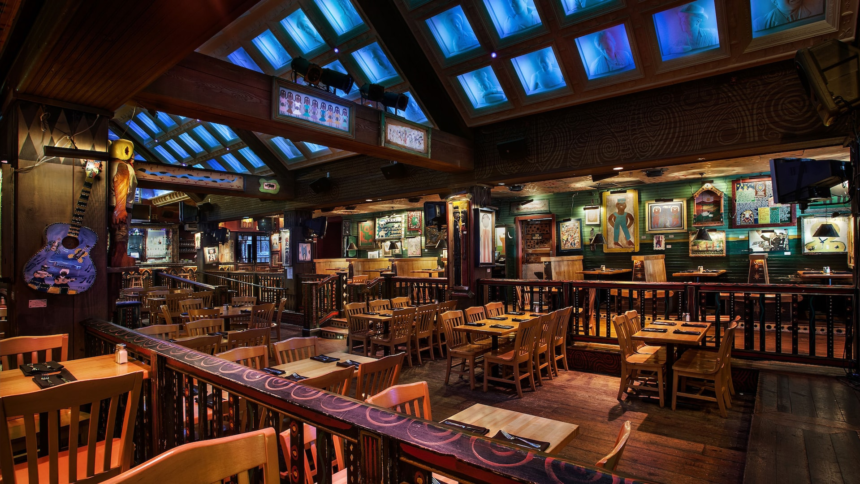
Disney Springs: Inside the Evolution of Disney’s Dining and Entertainment Hub
A Destination Beyond Theme Parks
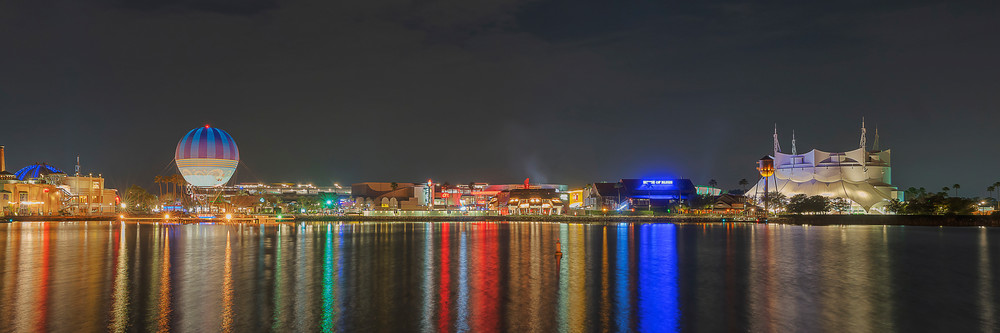
At the heart of Disney Springs lies a concept that has steadily reshaped how visitors experience Walt Disney World. Unlike the traditional theme park model, Disney Springs operates as an open-access entertainment district—free to enter, but rich in curated dining, retail, and nightlife experiences.
What distinguishes Disney Springs is not just scale, but intent. It functions as both a leisure destination and a strategic extension of Disney’s ecosystem, where storytelling meets commerce. Restaurants, boutique stores, and live entertainment venues converge to create an environment that feels immersive yet flexible—an alternative to structured park itineraries.
Recent developments and guest experiences suggest that Disney Springs is not static; it is continuously evolving to meet changing visitor expectations, capacity demands, and competitive dining trends.


Dining as Storytelling: The Rise of Experiential Restaurants
Enzo’s Hideaway: A Speakeasy Beneath the Surface
Accessed through a “Rum Runner” tunnel, the restaurant positions itself as a hidden speakeasy—an intentional contrast to the open, bustling environment above. Inside, guests encounter a setting designed to evoke a vintage Italian hideaway: intimate lighting, textured interiors, and a relaxed, immersive ambiance.
The culinary offering reinforces the narrative. Dishes focus on Italian comfort food with modern refinement, while signature drinks such as the Smuggler’s Courage cocktail align with the speakeasy theme. The result is a cohesive experience where environment and menu are interdependent.



This model—where dining becomes narrative—is increasingly central to Disney Springs’ identity.
Morimoto Asia: Precision Meets Accessibility
Here, the emphasis shifts from hidden storytelling to culinary performance. The open kitchen design foregrounds technique and precision, turning food preparation into part of the spectacle.
The menu spans multiple Asian cuisines—Japanese, Chinese, and Korean—offering both high-end and approachable options:
- Signature Peking Duck, carved tableside
- Buri-Bop, a Korean-style rice dish prepared interactively
- Tonkotsu ramen with rich broth and pork belly
- Dim sum and sushi selections designed for sharing
What distinguishes Morimoto Asia is balance. It delivers a premium dining experience without alienating casual visitors. This accessibility aligns with Disney Springs’ broader strategy: appeal to a wide demographic while maintaining a sense of sophistication.


Retail Shifts and the Reality of Change
While dining experiences continue to expand, the retail landscape at Disney Springs is undergoing visible transitions.
A notable development is the upcoming closure of Shore, a resort lifestyle brand that has operated in the Town Center district since 2016. Employees have confirmed the closure, with inventory currently discounted by approximately 40% as operations wind down.
This signals a broader trend. Retail at Disney Springs is not immune to the pressures affecting physical storefronts globally—changing consumer habits, e-commerce competition, and evolving brand strategies.
However, the turnover also creates opportunities. Vacated spaces often pave the way for new concepts, aligning with Disney’s continuous reinvention model.
Managing Demand: Transportation and Capacity Control
The popularity of Disney Springs presents operational challenges, particularly during peak seasons.
In early 2026, Disney implemented temporary bus restrictions limiting access from Disney Springs to resort hotels. Guests were required to show proof of a reservation, a measure introduced during the Easter and Spring Break surge.
This policy addressed a long-standing workaround: visitors parking for free at Disney Springs and using internal transportation to access theme parks, bypassing parking fees. By restricting access, Disney aimed to:
- Reduce congestion
- Prioritize resort guests
- Improve transportation efficiency
- Protect premium guest experiences
The restriction ended on April 6, 2026, marking a return to standard operations, but the underlying issue remains relevant. As visitor numbers grow, Disney is increasingly adopting capacity management strategies similar to high-end hospitality models.
Why Disney Springs Continues to Matter
Disney Springs occupies a unique position within the broader Disney ecosystem.
Unlike theme parks, it does not rely on rides or ticketed entry. Instead, its value proposition is rooted in:
- Flexibility: Guests can visit without committing to a full park day
- Variety: Dining, shopping, and entertainment coexist seamlessly
- Accessibility: Appeals to both tourists and locals
- Atmosphere: Maintains Disney’s signature storytelling without rigid structure
For many visitors, it serves as both an introduction and a complement to the Disney experience. For others, it has become a destination in its own right.
The Future of Disney Springs
Looking ahead, several trends are likely to shape Disney Springs:
1. Continued Emphasis on Experiential Dining
Restaurants like Enzo’s Hideaway and Morimoto Asia demonstrate that themed, immersive dining is a core growth area.
2. Retail Evolution
Closures such as Shore suggest a shift toward more experiential or hybrid retail concepts rather than traditional storefronts.
3. Advanced Capacity Management
Temporary policies like transportation restrictions indicate a willingness to experiment with operational controls during peak demand.
4. Integration with Broader Disney Strategy
As Disney refines its approach to guest flow and monetization, Disney Springs will remain a critical component of the overall resort experience.
Conclusion
Disney Springs represents a deliberate evolution in how entertainment districts are designed and managed. It blends storytelling, dining innovation, and commercial strategy into a single environment that continues to adapt to modern visitor expectations.
From hidden speakeasies like Enzo’s Hideaway to globally influenced dining at Morimoto Asia, the destination reflects a shift toward experiences that are both curated and flexible. At the same time, operational changes—such as transportation policies and retail turnover—highlight the complexities of managing a high-demand, open-access venue.
In effect, Disney Springs is more than a shopping and dining area. It is a testing ground for how Disney balances creativity, capacity, and commerce in a rapidly changing tourism landscape.