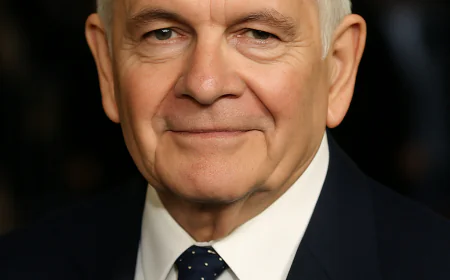
Dilip Kumar Net Worth, Relationships, Age/Birthdate & Birthday Facts
Discover facts about Dilip Kumar net worth, birthday, age/birthdate and relationships, capturing his cinematic legacy and personal life.
 loveness92
Dilip Kumar Net Worth, Relationships, Age/Birthdate & Birthday
Dilip Kumar is a legendary Indian actor and film producer, celebrated for his acting mastery and enduring influence on Hindi cinema.
Introduction
Dilip Kumar — born Muhammad Yusuf Khan on December 11, 1922 — remains one of the most iconic figures in the history of Indian cinema. Known for his commanding performances, soulful expressions, and pioneering “method acting,” he earned critical and popular acclaim over a career spanning more than five decades. At the time of his death, his estimated net worth was about US$85 million — a testament to both his cinematic legacy and his business acumen.
He was married to Saira Banu, and their partnership — both professional and personal — remains one of the most enduring stories in Bollywood.
Quick Facts
| Category | Details |
|---|---|
| Full Name | Muhammad Yusuf Khan |
| Age/Birthdate | December 11, 1922 |
| Birthday | December 11 |
| Nationality | Indian (born in British-India, Peshawar) |
| Profession | Actor, Film Producer, Politics (former MP) |
| Estimated Net Worth | US$ 85 million (≈ ₹627 crore) at time of death |
| Relationship Status | Married to Saira Banu (since 1966) |
| Known For | Defining the tragic-hero archetype, pioneering method acting in Hindi cinema, starring in classics like Mughal-e-Azam, Devdas, Naya Daur |
From Humble Beginnings to Silver-Screen Stardom
Dilip Kumar was born Muhammad Yusuf Khan in the Qissa Khawani Bazaar of Peshawar on December 11, 1922 — a child among a large family in what was then British-ruled India. His father, Lala Ghulam Sarwar Khan, was a fruit-merchant, and his mother, Ayesha Begum, managed the household. As one of twelve children, Yusuf’s early life blended familial warmth with the discipline of a large joint family.
Childhood stories from his autobiography hint at a household filled with traditions — and harsh cultural norms: for instance, his grandmother reportedly believed Yusuf’s appearance was unfortunate, ordering his head shaved and face coloured before he went to school. It was a difficult world, but Yusuf retained a quiet resilience and sensitivity — qualities that later defined his on-screen presence.
In his teenage years, he moved to Pune, where he briefly tried making a living by running a simple sandwich stall at a canteen. Even from these small beginnings, he harbored larger ambitions. When he later relocated to Mumbai (then Bombay), he encountered veteran actress and studio owner Devika Rani, who took him under her wing. She suggested the screen name “Dilip Kumar” — and thus began the metamorphosis from Yusuf Khan to Bollywood legend.
Defining moments in Dilip Kumar’s journey include:
-
First acting role in the film Jwar Bhata (1944), marking his entry into cinema.
-
Breakthrough box-office hit with Jugnu (1947), establishing him as a bankable actor.
-
Iconic performances in films like Devdas, Mughal‑e‑Azam, and Naya Daur, which cemented his legacy as Bollywood’s “Tragedy King.”
Transitioning from early uncertainty to commanding the silver screen, Dilip Kumar’s rise is a story of talent, tenacity, and transformation — from sandwich-stall vendor to legend of Indian cinema.
The Core Pillars of His Wealth
The core pillars of Dilip Kumar’s wealth include:
-
Decades of successful film roles: Over more than five decades, he headlined dozens of films — often commanding top remuneration.
-
Real estate holdings: Among his major assets was a lavish bungalow in the upscale Pali Hill area of Mumbai — a prized legacy property.
-
Endorsements, residuals, and royalties: Although he largely avoided publicity and endorsements, the residual value of his body of work and reputation continued to contribute to his net worth.
These pillars combined to build a substantial financial legacy that endured long after his final film role.
Relationships & Family Life: A Story of Deep Commitment
Dilip Kumar’s personal life was marked by both early heartbreak and enduring companionship.
Before marriage, he shared a widely discussed relationship with the actress Madhubala, one of the era’s most celebrated stars. Their bond, though deep, eventually ended following a legal battle related to property — widely referred to as the “Naya Daur” case — in 1957.
In 1966, he married actress Saira Banu. Their union — despite a significant age gap — endured for decades and became one of Bollywood’s most admired partnerships.
Key insights into Dilip Kumar’s relationships and personal life:
-
His marriage to Saira Banu lasted for decades, reflecting deep mutual respect and companionship.
-
The couple did not have children; reports suggest a miscarriage in 1972 and no subsequent pregnancies.
-
Despite personal loss, the two remained devoted — and Saira Banu inherited his estate after his passing.
His romantic journey—from early promise with Madhubala to settled life with Saira Banu—mirrors his broader evolution: from youthful ambition to mature stability.
Beyond Fame: Lifestyle, Assets & Interests
Beyond career success, Dilip Kumar led a lifestyle that reflected both passion and purpose, including:
-
Signature residence in Mumbai: The couple’s Pali Hill bungalow was a landmark — a spacious, elegant home in one of Mumbai’s elite neighborhoods.
-
Legacy properties: Among his assets was his ancestral home in Peshawar, a property that holds historical significance and is part of his broader legacy.
-
A modest public image: Despite immense fame and wealth, he avoided glamor-filled publicity and remained grounded — a rare trait for a star of his stature.
His lifestyle reveals a man rooted in simplicity, tradition, and subtle elegance — valuing legacy and dignity over ostentation.
Net Worth Breakdown & Analysis
The net worth of Dilip Kumar is most commonly cited as US $85 million (≈ ₹627 crore).
| Category | Estimated Value | Source |
|---|---|---|
| Film & Business Ventures | $85 million | CelebrityNetWorth |
| Real Estate & Assets | Substantial portion (bungalow, ancestral home) | Housing.com / MagicBricks reports |
| Brand Value / Legacy Value | Implied through lasting fame, residuals | Bioglance / Bollywood legacy coverage |
Analysis: The primary driver of his net worth was his body of work in cinema — decades of high-profile roles during a time when he was among the highest-paid actors, sometimes charging fees that were considered high for the era.
His real estate holdings — especially the Pali Hill bungalow — added considerable value to his estate. Even after his death, these assets have retained substantial worth, contributing to the legacy and residual valuation of his net worth.
Public Image, Legacy & Influence
Dilip Kumar’s legacy transcends mere box-office success. He is often credited with bringing a new level of emotional depth, subtlety, and realism to acting in Hindi cinema — especially when melodramatic performances were the norm. His peers, critics, and successive generations of actors recognize him as a pioneer, an inspiration, and a benchmark.
Called both “The Tragedy King” and “The Ultimate Method Actor,” his roles in tragic romances and social dramas reshaped Indian cinematic narratives. Even decades after his final performance, his films — like Mughal-e-Azam, Devdas, and Naya Daur — are celebrated for their depth and craft.
Beyond film, his personal story — from humble roots to stardom, from struggle to stability — resonates as a human tale of resilience, dignity, and quiet achievement.
Conclusion
Dilip Kumar’s journey — from Muhammad Yusuf Khan born on December 11, 1922 in Peshawar to a towering legend of Indian cinema — is a story of passion, perseverance, and artistry. With an estimated net worth of US$85 million at his death, a long-lasting marriage to Saira Banu, and a legacy that shaped generations of actors, his life reflects both triumph and nuance.
His birthdate and birthday remain evergreen reminders of a man who transformed personal hardship into creative brilliance. His legacy endures — not just through films or wealth, but through the standard he set in acting, dignity, and commitment.