





Deportation News: Inside the Expanding Reach of Global Immigration Enforcement
A Policy Moving Beyond Borders
Deportation has long been a core instrument of immigration enforcement, but recent developments show it evolving into something broader, more complex, and more controversial. What was once largely a domestic legal process is now deeply intertwined with foreign policy, local community dynamics, and international human rights debates.
- A Policy Moving Beyond Borders
- From Cities to Small Towns: Enforcement Spreads Quietly
- Community Response: Quiet Resistance and Mutual Aid
- Deportation as Foreign Policy: A Strategic Shift
- Third-Country Deportations: Where Migrants Are Sent
- Uganda Case: A New Front in Deportation Agreements
- Legal and Ethical Questions Intensify
- Who Is Being Targeted?
- Economic and Social Fallout
- What Comes Next: Expansion or Pushback?
- Conclusion: A System Under Scrutiny
Across the United States and beyond, deportation policies are reshaping lives—from rural American towns experiencing sudden immigration crackdowns to African nations receiving deportees under newly negotiated agreements. The emerging picture is not just one of enforcement, but of a system expanding in scope, geography, and consequence.
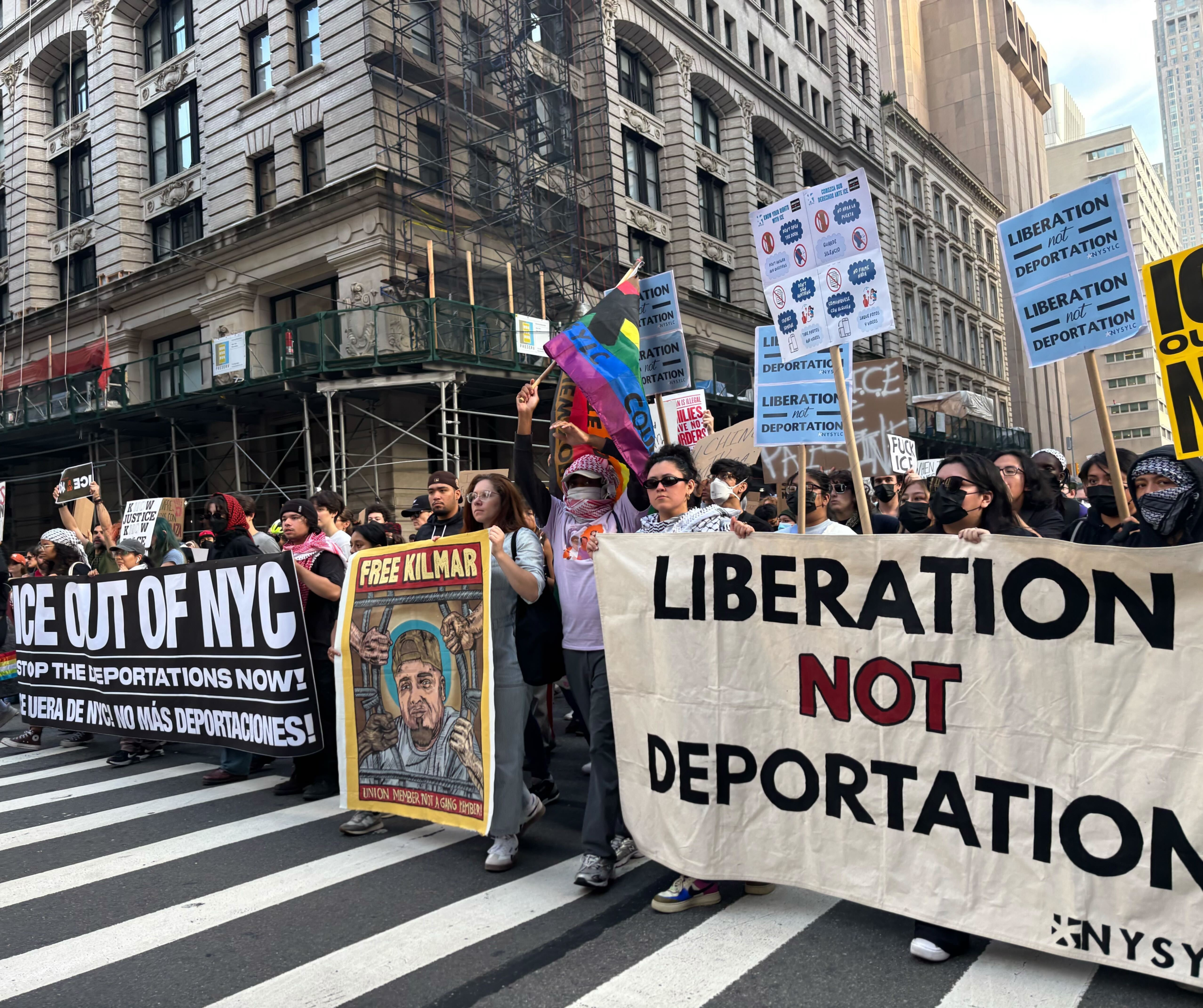
From Cities to Small Towns: Enforcement Spreads Quietly
In recent months, deportation efforts have extended beyond major metropolitan areas into smaller, less visible communities. In places like Baldwin, Wisconsin—a town of roughly 4,000 residents—immigration enforcement has disrupted daily life in ways few anticipated.



Local residents estimate that more than 50 people were taken by federal agents during peak enforcement periods earlier this year.
Businesses have been directly affected. A Mexican restaurant shut down after multiple workers were detained, while an Ecuadorian market implemented controlled entry measures following enforcement activity.



The impact extends beyond economics. Families have been separated abruptly. One Venezuelan immigrant, identified only as “J,” described how his wife was detained while driving near their home, leaving him to care for their 18-month-old child alone.
“I don’t know what we’re doing wrong, we’re just working,” he said.
The psychological toll is evident. Teachers report children fearing their parents may not be home after school. Some residents avoid leaving their homes entirely, relying on community networks for food and basic needs.
Community Response: Quiet Resistance and Mutual Aid
Unlike large cities where immigration enforcement often sparks visible protests, smaller towns present a different dynamic. Resistance exists, but it is frequently subdued.



Local groups such as Safe Neighbors have formed to support affected families. Volunteers provide transportation, groceries, and financial assistance.
“We just have to find pathways to protect ourselves and take care of each other,” said organizer Jenelle Ludwig Krause.
This response highlights a key distinction: in rural communities, deportation is not only a political issue but a social one. Residents often describe their actions less in ideological terms and more as a reflection of community responsibility.
Still, tensions remain. Questions about police cooperation with federal agents persist, and public meetings have become arenas for debate over local accountability and federal authority.
Deportation as Foreign Policy: A Strategic Shift
At the national level, deportation policy is undergoing a significant transformation. Under the administration of Donald Trump, deportation has expanded into a tool of international negotiation.
The United States is actively seeking agreements with other countries to accept migrants who cannot be returned to their home nations. These arrangements—known as “third-country deportations”—have become a central feature of immigration strategy.
Diplomatic efforts involve incentives ranging from financial aid to relaxed visa restrictions. In some cases, entire packages of economic and political concessions are offered in exchange for cooperation.
Secretary of State Marco Rubio has been directly involved in guiding negotiations, with diplomats encouraged to explore what partner countries might accept in return for hosting deportees.
This shift reflects a broader doctrine—sometimes described as “America First in Africa”—prioritizing pragmatic deals over traditional diplomatic concerns such as human rights promotion.
Third-Country Deportations: Where Migrants Are Sent
The scale of third-country deportations is significant. Thousands of migrants have already been sent to countries where they have no prior ties.
Nearly 14,000 individuals have been deported to Latin America and the Caribbean alone, according to tracking organizations.
In Africa, multiple countries have entered agreements with the United States, including:
- Cameroon
- Rwanda
- Equatorial Guinea
- Eswatini
- South Sudan
- Ghana
These arrangements often involve temporary detention, with migrants later facing further deportation or uncertain legal status.
Conditions vary widely, but reports describe detention facilities with limited access to electricity, medical care, and legal support.
One detainee described the experience starkly: “We are like prisoners here.”
Uganda Case: A New Front in Deportation Agreements
A recent development illustrates how these policies are expanding geographically. The United States deported eight individuals described as “of African origin” to Uganda under a migration agreement signed last year.
Uganda’s government framed the arrangement as part of its commitment to providing sanctuary for those unable to return home.
However, the Uganda Law Society sharply criticized the process, calling it “an undignified, harrowing and dehumanising process” and indicating plans to challenge it legally.
The case underscores the growing role of African nations in global deportation systems—and the controversies that accompany that role.
Legal and Ethical Questions Intensify
The expansion of deportation policies raises complex legal issues.
At the center is a fundamental question: Are governments using third countries to bypass protections that prevent migrants from being returned to danger?
Legal experts and human rights organizations argue that these arrangements may undermine established international norms. The African Commission on Human and Peoples’ Rights has described the practice as “externalizing migration responsibilities.”
Courts have also grappled with the issue. One federal judge characterized the policy as “an end run around the United States’ obligations,” while acknowledging limited authority to intervene once migrants are transferred abroad.
The ambiguity leaves migrants in a precarious position—caught between jurisdictions with limited oversight or accountability.
Who Is Being Targeted?
Official statements emphasize that deportation efforts focus on individuals with criminal records. Yet available data suggests a more nuanced reality.
Among migrants awaiting third-country deportation in early March, only a fraction had criminal convictions.
Cases have emerged of individuals with legal protections or pending asylum claims being transferred abroad, raising further questions about due process.
Some migrants report being unsure of where they are or why they were sent there.
“I don’t know what I’m doing in this country,” one detainee said after being deported to Cameroon.
Economic and Social Fallout
The consequences of deportation policies extend beyond individuals to entire communities.
In rural U.S. towns, local economies have been disrupted as immigrant workers disappear from businesses and consumer activity declines.
Business owners report sharp drops in revenue as customers avoid public spaces. Families face mounting financial pressures due to lost income and legal costs.
At the same time, support networks are stretched thin. Volunteers provide essential services, but resources remain limited.
“A lot of people, because they’re not going to work, they’re continually getting behind now,” said one community organizer.
What Comes Next: Expansion or Pushback?
The trajectory of deportation policy suggests further expansion.
U.S. officials continue to pursue new agreements, with pressure from the White House to accelerate negotiations and increase the number of deportees.
At the same time, resistance is growing:
- Legal challenges in multiple jurisdictions
- Criticism from human rights organizations
- Local activism in affected communities
- International scrutiny of third-country arrangements
The outcome remains uncertain. What is clear is that deportation is no longer a narrowly defined enforcement mechanism—it is a global system with far-reaching implications.
Conclusion: A System Under Scrutiny
Deportation news today reflects a policy at a turning point.
On one level, it is about enforcement—removing individuals deemed ineligible to remain in a country. On another, it is about diplomacy, economics, and the balance between sovereignty and human rights.
From quiet streets in rural America to detention facilities across Africa, the effects are immediate and deeply human. Families are separated, communities disrupted, and legal frameworks tested.
As governments expand these policies, the central debate intensifies: how to reconcile immigration control with fairness, legality, and dignity.
The answer will shape not only migration systems, but the broader relationship between nations and the people who move between them.