




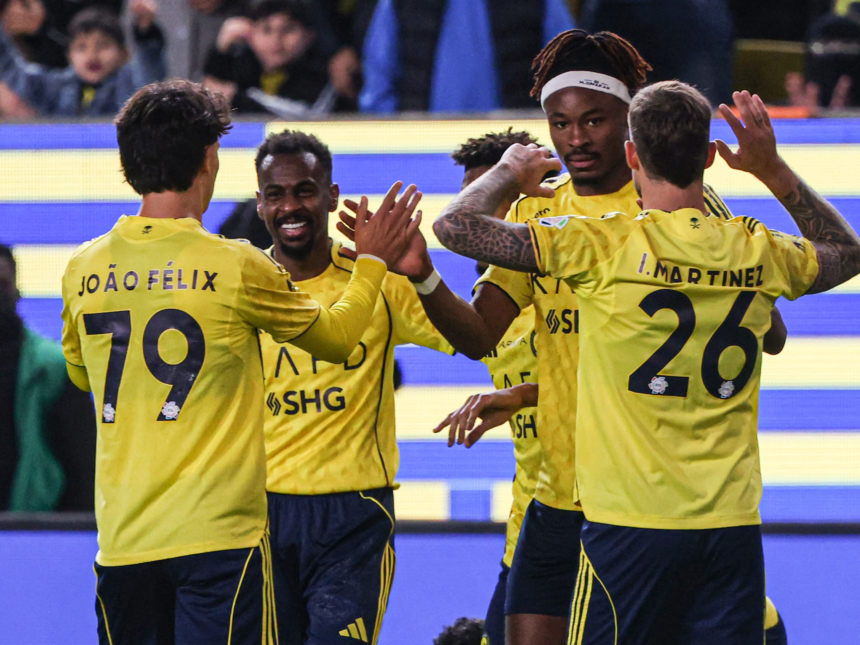
Damac Club: A Team Balancing Survival and Ambition in the Saudi League
A Club Under the Spotlight Ahead of a Crucial Clash
As the Saudi Roshan League intensifies, Damac Club (نادي ضمك) finds itself at a pivotal moment in the season. With a challenging fixture against Al-Ahli Jeddah looming, attention has shifted toward the club’s tactical readiness, squad depth, and its broader struggle to secure stability in one of the region’s most competitive football environments.
- A Club Under the Spotlight Ahead of a Crucial Clash
- Current Position: Fighting to Stay Competitive
- Coaching Decisions: Carille’s Tactical Dilemma
- Squad Management and External Pressures
- Tactical Expectations: What Damac Must Get Right
- Broader Context: Damac’s Journey in Saudi Football
- The Match as a Turning Point
- Looking Ahead: What Comes Next for Damac?
- Conclusion: A Club at a Critical Juncture
The upcoming match is not just another league encounter—it represents a test of resilience for Damac, a team currently navigating the lower half of the standings while facing internal decisions that could shape its immediate future.
Current Position: Fighting to Stay Competitive
Heading into Matchday 27, Damac sits in 15th place with 22 points, a position that underscores the urgency surrounding the club’s campaign.


In contrast, their opponent Al-Ahli occupies third place with 62 points, highlighting the disparity in form and consistency between the two sides. This gap places Damac firmly in a survival battle, where every match carries significant weight in determining their fate in the league.
The Saudi Roshan League has grown increasingly competitive in recent seasons, with clubs investing heavily in talent and infrastructure. For a team like Damac, maintaining top-flight status requires not only tactical discipline but also strategic squad management.

Coaching Decisions: Carille’s Tactical Dilemma
A key storyline ahead of the match revolves around Brazilian coach Fabio Carille, who faces a selection challenge on the right wing.
Carille is currently weighing his options between:
- Syrian player Mohamed Al-Salakhdi
- Saudi winger Nawaf Al-Saadi
The decision is not straightforward. Al-Salakhdi recently participated in international duty, raising concerns about fatigue and match readiness. As a result, Carille is considering resting him, with a final decision expected after the team’s training session.
This situation reflects a broader issue in modern football: balancing player fitness with tactical needs, particularly during congested schedules and post-international breaks.


Squad Management and External Pressures
While Damac is dealing with tactical decisions, their opponent Al-Ahli is facing a different kind of challenge—injuries.
Reports confirm that several Al-Ahli players, including French midfielder Valentin Atangana, will miss the match due to injuries sustained during international duty. Atangana alone has contributed significantly this season, with 29 appearances and 5 goals, making his absence notable.
Additional injuries to players such as Ali Majrashi and Merih Demiral further complicate Al-Ahli’s preparation, potentially leveling the playing field slightly for Damac.
However, despite these setbacks, Al-Ahli remains a formidable opponent, emphasizing that Damac cannot rely solely on external factors to secure a positive result.
Tactical Expectations: What Damac Must Get Right
For Damac to compete effectively, several tactical priorities emerge:
1. Defensive Organization
Facing a high-performing team like Al-Ahli requires a compact defensive structure. Any lapses in positioning or coordination could be quickly punished.
2. Efficient Use of Transitions
Damac is likely to rely on counter-attacking opportunities. Quick transitions from defense to attack could exploit gaps left by Al-Ahli, especially if their squad rotation affects cohesion.
3. Wing Play Decisions
Carille’s choice on the right flank will be critical. Whether he opts for freshness or experience could influence the team’s attacking balance and defensive cover.
4. Mental Resilience
Perhaps most importantly, Damac must approach the match with psychological discipline. Playing against a top-three side requires composure under pressure and the ability to capitalize on limited chances.
Broader Context: Damac’s Journey in Saudi Football
Damac Club has built its identity as a resilient competitor within Saudi football. Based in Khamis Mushait, the club has experienced fluctuations between divisions but has managed to maintain a presence in the top tier in recent years.
Their journey reflects the challenges faced by mid- and lower-table clubs in leagues undergoing rapid transformation. Increased investment across the Saudi Pro League has elevated competition standards, making survival increasingly demanding.
For Damac, this season represents more than just a fight for points—it is a test of adaptability in a changing football ecosystem.
The Match as a Turning Point
The upcoming fixture against Al-Ahli could serve as a turning point for Damac’s season.
A positive result would:
- Boost morale within the squad
- Narrow the gap from relegation-threatened positions
- Reinforce confidence in Carille’s tactical approach
Conversely, a loss would deepen concerns about the club’s ability to compete against stronger opponents, increasing pressure in subsequent matches.
Looking Ahead: What Comes Next for Damac?
Beyond this match, Damac’s future will depend on several key factors:
- Consistency in performances against both top and mid-table teams
- Squad depth management, particularly during injury-prone periods
- Tactical flexibility under Carille’s leadership
- Mental resilience in high-stakes matches
The club’s ability to navigate these areas will determine whether it can secure safety or face a more precarious end to the season.
Conclusion: A Club at a Critical Juncture
Damac Club stands at a defining moment in its current campaign. The clash against Al-Ahli is not merely a fixture—it is a reflection of the club’s broader struggle for relevance and survival in a highly competitive league.
With tactical decisions pending, external variables in play, and the stakes rising, the coming match offers a clear lens into Damac’s identity: a team striving to remain competitive against the odds.
Whether this moment becomes a turning point or a missed opportunity will depend on execution, discipline, and the ability to adapt under pressure.