


D4vd: The Rise and Collapse of a Viral Music Phenomenon
A Story That Captured a Generation—and Then Shocked It
The trajectory of David Anthony Burke—professionally known as d4vd—once represented the archetype of modern music success. A self-taught artist who emerged from gaming culture and social media, he rapidly transformed into one of the most recognizable voices among Gen Z listeners.
Yet by April 2026, that narrative had shifted dramatically. The same artist celebrated for viral hits and global tours became the central figure in one of the most disturbing criminal cases involving a public figure in recent years.
This article examines the dual reality of d4vd’s career: a rapid ascent fueled by digital culture, followed by a legal case that has reshaped public perception, the music industry, and conversations around celebrity accountability.
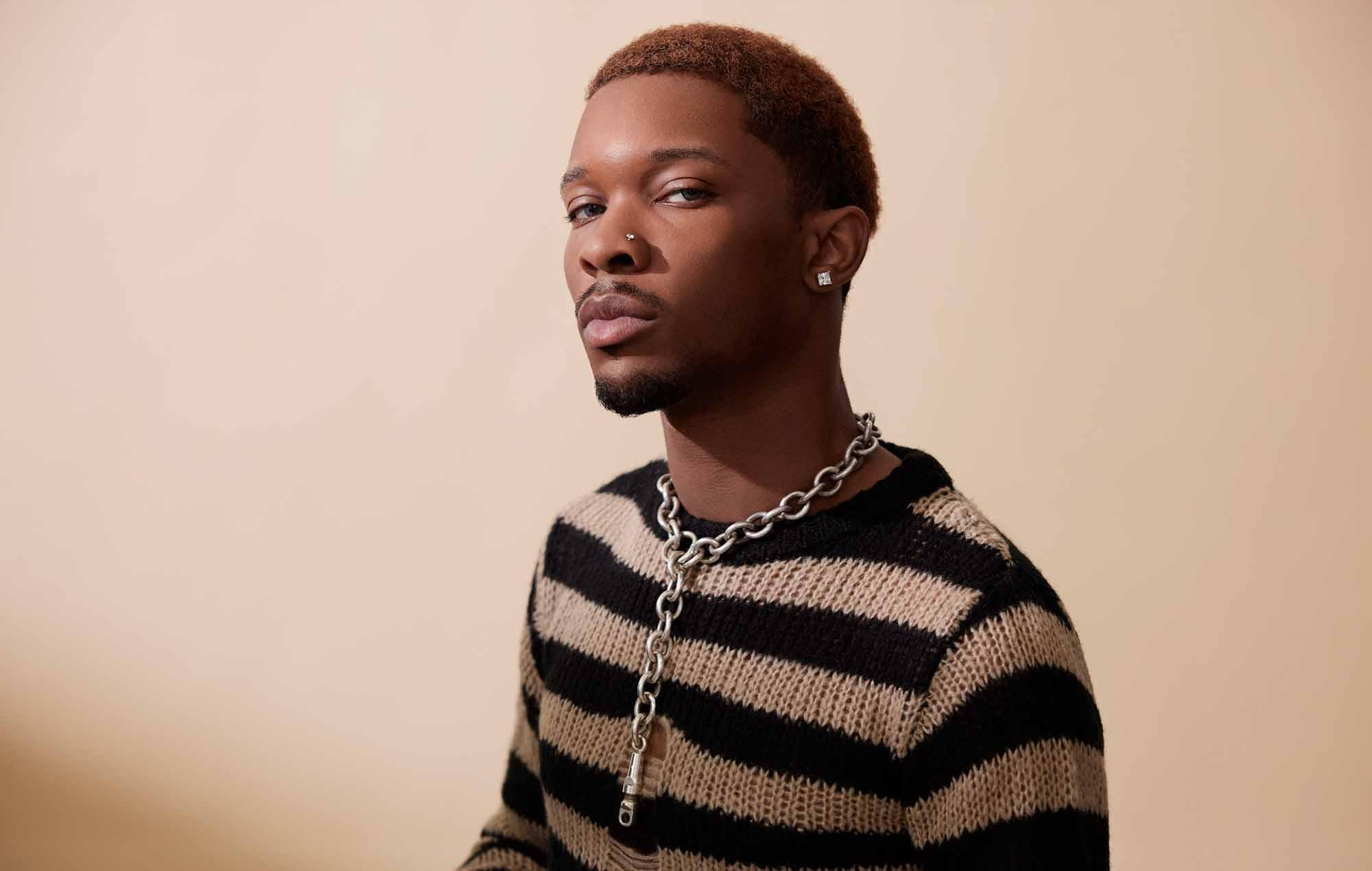
From Fortnite Edits to Global Charts
D4vd’s entry into music was unconventional. Born on March 28, 2005, in New York City and raised in Houston, Texas, he initially gained traction by creating gaming montage videos—particularly for Fortnite.
To avoid copyright issues in his videos, he began producing original music. That decision proved pivotal.
His early releases on SoundCloud blended lo-fi pop, indie rock, and R&B. Tracks such as “Romantic Homicide” and “Here with Me” gained traction through TikTok, eventually achieving multi-platinum success and charting on the Billboard Hot 100.
By 2023, he had signed with major labels and released EPs that charted internationally. His debut album Withered (2025) reached No. 13 on the Billboard 200, confirming his commercial viability.
At just 21, he had already:
- Built millions of followers across platforms
- Opened for major artists like SZA
- Performed on global stages, including festival appearances
- Accumulated millions of monthly listeners on streaming platforms
His music, often introspective and emotionally raw, resonated with a generation navigating identity, relationships, and isolation in a digital-first world.
The Peak Before the Collapse
In early 2025, d4vd appeared to be entering a defining phase of his career. The Withered album rollout, combined with international touring, positioned him as a breakout alternative-pop figure.
However, in September 2025, a discovery in Los Angeles abruptly interrupted that trajectory.
Authorities found decomposed human remains inside the front trunk of a vehicle registered to him.
The remains were later identified as belonging to 14-year-old Celeste Rivas Hernandez.
The implications were immediate:
- His tour was cancelled
- Promotional partnerships were terminated
- Planned music releases were shelved
Despite these developments, public attention intensified. His streaming numbers reportedly surged in the aftermath, illustrating the complex—and often troubling—relationship between notoriety and visibility in the digital age.
The Criminal Case: Allegations and Legal Proceedings
Charges Filed
On April 20, 2026, the Los Angeles County District Attorney formally charged Burke with multiple offenses, including:
- First-degree murder with special circumstances
- Continuous sexual abuse of a child under 14
- Mutilation of human remains
Additional allegations include:
- Murder of a witness
- Murder for financial gain
- Use of a deadly weapon
Prosecutors assert that the victim had allegedly threatened to expose an illicit relationship, which they claim motivated the killing.
If convicted, Burke faces either the death penalty or life imprisonment without parole.
Timeline of Key Events
- April 23, 2025: Victim reportedly visits Burke’s Hollywood Hills residence and is never seen again
- September 8, 2025: Decomposed remains discovered in impounded vehicle
- September 2025–February 2026: Investigation intensifies, including search warrants and digital evidence collection
- April 16, 2026: Burke arrested
- April 20, 2026: Formal charges announced
- April 2026: Burke pleads not guilty during arraignment
The Defence Position
Burke’s legal team has denied all allegations.
His attorney stated:
“The actual evidence in this case will show that David Burke did not murder Celeste Rivas Hernandez.”
He has pleaded not guilty to all charges and remains in custody without bail as the case proceeds.
Evidence and Investigation
Investigators have pointed to multiple elements suggesting a connection between Burke and the victim prior to her disappearance, including:
- A livestream featuring both individuals
- Photographs placing Burke near the victim’s neighborhood
- Images of the victim attending his concerts
These details are expected to play a significant role in the prosecution’s case.
Authorities have also noted challenges in determining the exact cause of death due to the condition of the remains and the time elapsed before discovery.
Industry Impact: When Fame Collides With Criminal Allegations
The case has triggered a broader reassessment within the entertainment industry.
Immediate Effects
- Record labels suspended promotional activities
- Brand partnerships were terminated
- Collaborators distanced themselves from his work
The speed and scale of these responses reflect a risk-averse industry environment, particularly when allegations involve severe criminal conduct.
Cultural Implications
This case intersects with several ongoing societal debates:
- Celebrity accountability: How public figures are scrutinized when facing criminal allegations
- Digital amplification: The paradox of increased visibility during controversy
- Fan culture dynamics: Continued engagement despite serious accusations
D4vd’s case demonstrates how rapidly public narratives can shift—and how difficult it is for audiences to reconcile artistic output with alleged personal conduct.
A Stark Contrast: Artistry vs Allegation
Before the case, d4vd’s artistry was defined by vulnerability and emotional introspection.
He cited influences ranging from anime to contemporary R&B, describing his music as an extension of experiences he observed rather than lived.
His sound—characterized by a soft tenor voice and falsetto delivery—positioned him as a distinctive voice in alternative pop.
That artistic identity now stands in stark contrast to the allegations he faces.
What Comes Next
The legal process is ongoing, with key developments expected to include:
- Preliminary hearings and evidence disclosure
- Potential decisions regarding the death penalty
- Trial proceedings that will determine guilt or innocence
Authorities have emphasized that the charges are allegations and that the defendant is presumed innocent unless proven guilty in court.
Conclusion: A Case That Redefines a Public Figure
D4vd’s story is no longer solely about music. It has become a complex case study in modern fame—where rapid digital success, public scrutiny, and serious criminal allegations intersect.
What began as a narrative of creativity and opportunity has evolved into one of legal uncertainty and societal reflection.
The outcome of this case will not only determine Burke’s future but will likely influence how the entertainment industry, audiences, and institutions respond to similar situations moving forward.


