


Cruise Ship Hits Reef Near ‘Cast Away’ Island: What Happened and What Comes Next
A Sudden Incident in Calm Waters
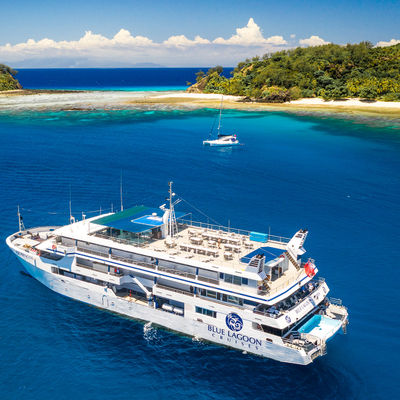
A routine cruise in the turquoise waters of Fiji turned into a high-alert maritime incident when the MV Fiji Princess, operated by Blue Lagoon Cruises, ran aground on a coral reef near Monuriki Island—a location globally recognized as the filming site for the 2000 movie Cast Away starring Tom Hanks.
- A Sudden Incident in Calm Waters
- What Led to the Grounding
- Evacuation and Immediate Response
- Environmental Risk Management
- The Role of Authorities and Investigation
- A Cruise Route Known for Tourism Appeal
- Broader Implications for the Cruise Industry
- What Happens Next
- Conclusion: A Contained Crisis with Lasting Lessons
The grounding occurred on Saturday, April 4, 2026, during what was meant to be a scenic journey through one of Fiji’s most iconic island chains. While the setting may evoke cinematic isolation, the real-life situation quickly required coordinated emergency response efforts to ensure passenger safety and environmental protection.
What Led to the Grounding
Initial findings from the cruise operator suggest that weather played a decisive role. According to an official statement:


“Whilst the investigation is in its early stages, conditions upon the ship anchoring in the area were calm, and it appears a severe squall caused the ship’s anchor to drag towards a nearby reef whereby the ship became grounded.”
A squall, defined by the National Weather Service as a sudden and sustained increase in wind speed, can rapidly destabilize anchored vessels. In this case, the abrupt shift in weather conditions appears to have caused the ship’s anchor to lose hold, allowing the vessel to drift uncontrollably onto the reef.
At the time, Fiji’s western coast was already under multiple weather warnings, including alerts for flash flooding and strong thunderstorms—conditions consistent with the formation of squalls.



Evacuation and Immediate Response
Despite the potentially dangerous scenario, the evacuation process was executed without injury. At first light on Sunday, a ferry was dispatched to the grounded vessel. All 30 passengers were safely evacuated along with their belongings.
They were transported to Denarau Island, a nearby private island and key tourism hub off Fiji’s main island, Viti Levu. Reports indicate that approximately 30 crew members were also onboard during the incident, with some remaining temporarily on the vessel to assist with response operations.
Fiji Navy sources confirmed:
“There were no reported injuries, and all were safe. The company is working on salvage and recovery of the vessel.”
The absence of injuries underscores effective emergency preparedness protocols and coordination between the cruise operator and local maritime authorities.

Environmental Risk Management
One of the most critical concerns in such incidents is the potential ecological damage—particularly in regions like Fiji, where coral reef ecosystems are both fragile and economically vital.
In response, Blue Lagoon Cruises acted swiftly to mitigate environmental risks. By Monday, all pumpable fuel and onboard oils had been removed from the vessel. This step significantly reduced the likelihood of contamination in the surrounding marine environment.
The company emphasized its priorities:
“The immediate priority for all involved is to reduce and/or eliminate any environmental risk and to finalize a plan to recover the ship, noting that the current weather forecast is not in our favour.”
The mention of unfavorable weather conditions highlights a key challenge: salvage operations in unstable marine environments can be delayed, increasing operational complexity and costs.
The Role of Authorities and Investigation
The Maritime Safety Authority of Fiji has launched an investigation into the incident. While no official conclusions have been released, the inquiry will likely examine several factors:
- Anchoring procedures and equipment reliability
- Weather monitoring and response protocols
- Crew decision-making under changing conditions
- Compliance with maritime safety regulations
Such investigations are standard in maritime incidents and often result in updated guidelines to prevent similar occurrences in the future.
A Cruise Route Known for Tourism Appeal
The irony of the incident lies in its location. Monuriki Island is a central attraction on the cruise itinerary, particularly for travelers interested in the filming locations of Cast Away. The island, part of the Mamanuca archipelago, is uninhabited and spans roughly 100 acres.
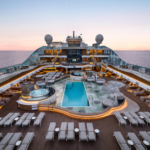
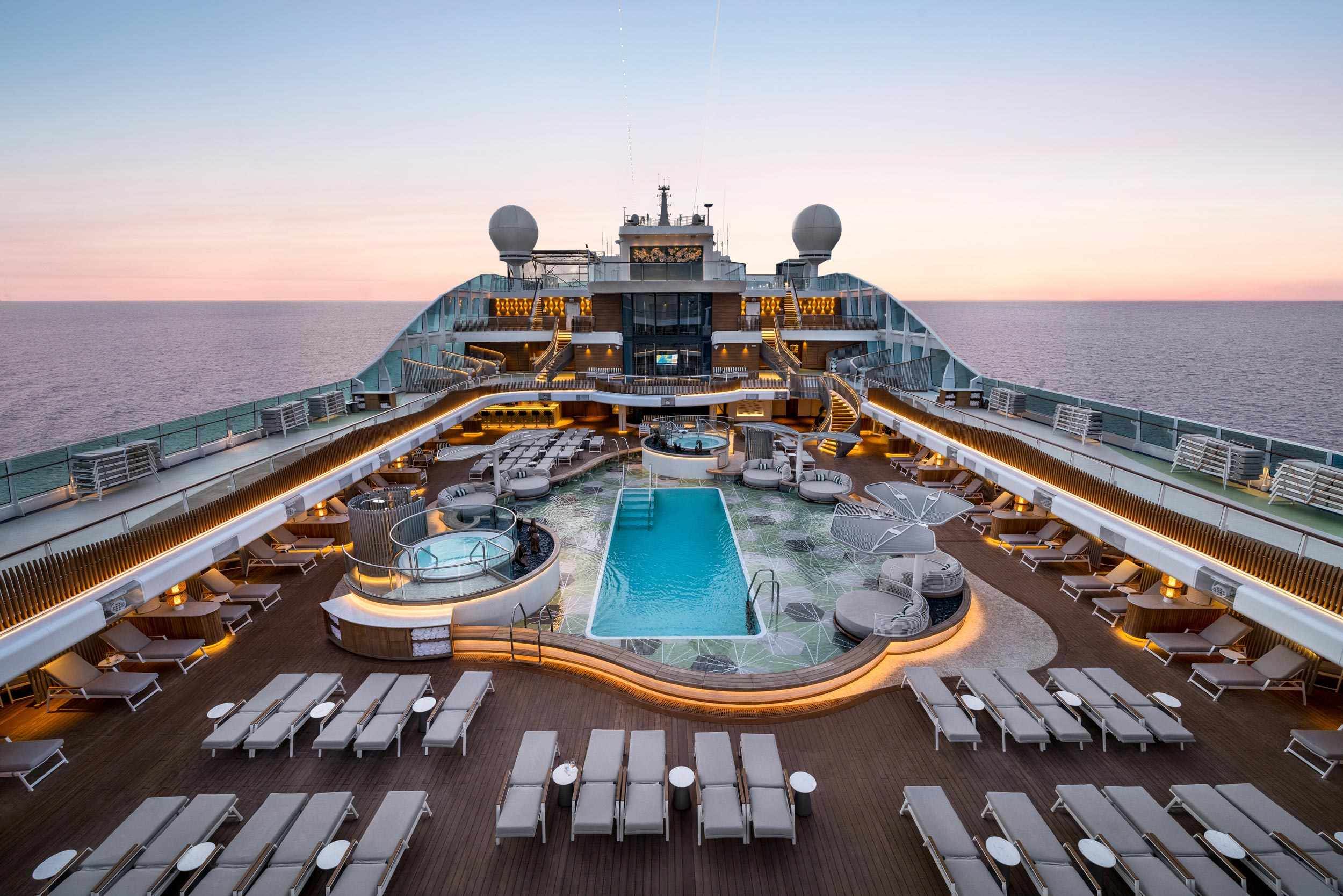
Surrounded by coral reefs, lagoons, and white sand beaches, it represents the kind of pristine environment that draws global tourism. The Fiji Princess itself is designed to enhance that experience, featuring:
- An open-air sun deck
- A splash pool
- Spa facilities
- Capacity for up to 64 passengers
The vessel had only recently joined the fleet in 2026, making the incident notable not just operationally but also reputationally for the cruise line.
Broader Implications for the Cruise Industry
While no lives were lost and environmental damage appears to have been contained, the incident raises several broader considerations for the cruise and maritime tourism industry:
1. Weather Volatility and Climate Patterns
Increasingly unpredictable weather patterns—particularly in tropical regions—are forcing operators to reassess risk models. Sudden squalls, as seen in this case, can escalate quickly even under otherwise calm conditions.
2. Environmental Accountability
Cruise operators face growing scrutiny regarding their environmental footprint. Rapid fuel removal in this case reflects heightened awareness and industry pressure to act decisively in protecting marine ecosystems.
3. Operational Resilience
The ability to evacuate passengers safely and manage post-incident logistics demonstrates the importance of contingency planning. However, it also highlights the need for continuous improvement in anchoring systems and real-time weather response.
4. Tourism Perception
Incidents in high-profile destinations can influence traveler confidence. However, the safe outcome and transparent handling may mitigate long-term reputational impact.
What Happens Next
The immediate next phase involves salvage operations. A specialist from Australia has already been deployed to oversee recovery efforts, indicating the technical complexity of refloating the vessel without causing further reef damage.
The timeline for recovery remains uncertain, largely due to weather conditions. Salvage operations typically involve:
- Stabilizing the vessel
- Assessing hull integrity
- Coordinating towing or refloating procedures
- Monitoring environmental impact throughout
Longer-term outcomes will depend on the findings of the official investigation and any regulatory or operational changes that follow.
Conclusion: A Contained Crisis with Lasting Lessons
The grounding of the MV Fiji Princess near Monuriki Island serves as a case study in modern maritime risk management. While the incident could have escalated into a serious environmental or human safety crisis, effective response measures ensured a controlled outcome.
At the same time, it reinforces critical lessons for the cruise industry: weather unpredictability, environmental stewardship, and operational preparedness are no longer secondary considerations—they are central to sustainable maritime tourism.
As investigations continue and recovery efforts progress, the incident will likely contribute to evolving safety standards in one of the world’s most visually stunning—and environmentally sensitive—regions.