




Coțofenești Helmet: From Ancient Treasure to Modern-Day Recovery
A Cultural Treasure at the Center of a Modern Investigation
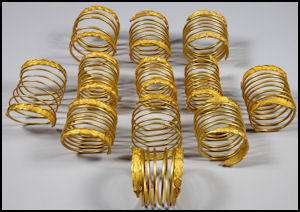
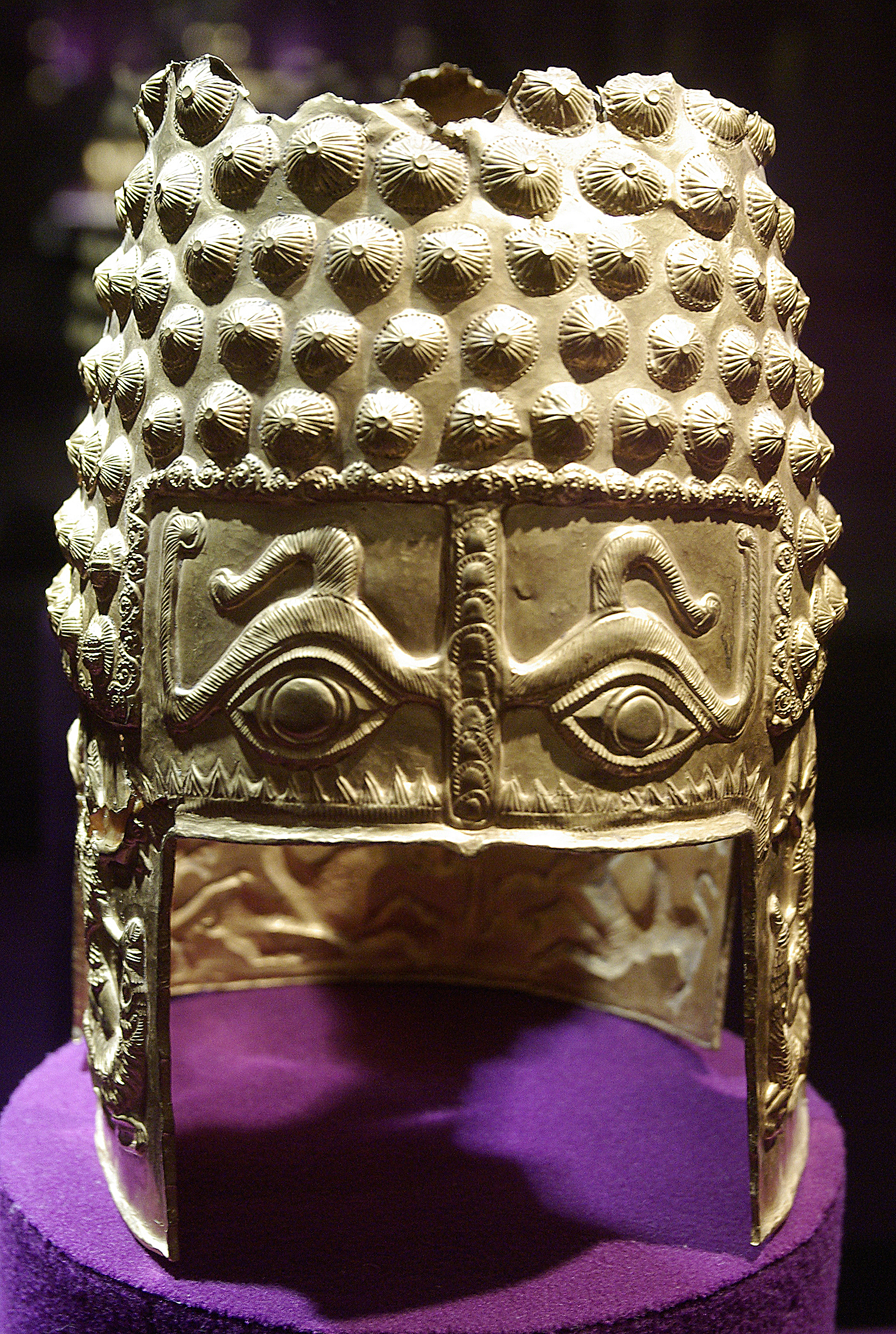
The story of the Coțofenești helmet is not just about an ancient artifact—it is a narrative that bridges centuries of history with a high-profile modern criminal investigation. In April 2026, the golden helmet and two Dacian bracelets were publicly presented once again at the Drents Museum in Assen, marking a significant milestone in a case that captured attention across Europe.
- A Cultural Treasure at the Center of a Modern Investigation
- The Theft That Shocked Europe
- Recovery: A Breakthrough After Fourteen Months
- The Condition of the Artifacts
- Who Was Involved: Suspects and Legal Proceedings
- International Cooperation: A Key Factor
- Financial Implications: The €5.7 Million Compensation
- Cultural Significance: Why the Coțofenești Helmet Matters
- Public Reaction: From Shock to Relief
- What Happens Next?
- A Case That Redefines Cultural Protection
- Conclusion: A Return That Resonates Beyond Borders
These artifacts, part of Romania’s national heritage, were stolen in January 2025 and later recovered after an intensive international investigation. Their return has not only restored invaluable cultural objects but also reignited discussions about heritage protection, international cooperation, and the enduring significance of ancient civilizations.
The Theft That Shocked Europe
The theft occurred on January 25, 2025, at the Drents Museum in the Netherlands, where the artifacts were on display as part of an exhibition. The operation was both deliberate and aggressive.



According to investigators, the perpetrators used a firecracker bomb and sledgehammers to break into the museum, exploiting weaknesses in the display infrastructure. Surveillance footage showed masked individuals entering the building moments before the explosion, which damaged the entrance and nearby structures.
The stolen items included:



- The Coțofenești golden helmet
- Three Dacian gold bracelets
The scale and audacity of the theft immediately elevated it to a major international case, prompting collaboration between Dutch and Romanian authorities.
Recovery: A Breakthrough After Fourteen Months
After more than a year of investigation, authorities achieved a breakthrough. The helmet and two of the three bracelets were recovered and officially presented to the public in April 2026.
The artifacts had been hidden in a rudimentary but effective manner—wrapped in a towel and buried. This detail underscored both the desperation of the perpetrators and the challenges faced by investigators.
Crucially, the recovery was facilitated through legal agreements with suspects. Prosecutors confirmed that plea deals were reached, with the return of the artifacts serving as a condition for reduced sentences.


Despite this success, one bracelet remains missing, and efforts to locate it are ongoing.
The Condition of the Artifacts
Concerns about the state of the artifacts were widespread, especially given their cultural and historical value. Initial reports suggested possible damage, and these fears were partially confirmed.
Experts noted:
- The helmet suffered minor damage and is slightly bent
- It requires restoration but has no permanent structural loss
- The bracelets were recovered intact
As one museum expert remarked, the helmet must be carefully restored, as improper repairs—such as previous glue applications—had already compromised its structure.
This stage of restoration will be critical in preserving the artifact for future generations.
Who Was Involved: Suspects and Legal Proceedings
Authorities identified several suspects connected to the theft. Three individuals from Heerhugowaard were formally charged with:
- Theft
- Causing an explosion
- Destruction of museum property
They remain in custody and have reportedly refused to provide statements. Additional suspects, believed to have played secondary roles, have been released but are still under investigation.
The legal process is progressing rapidly. Prosecutors indicated that trial proceedings would begin shortly after the recovery, reflecting the priority placed on the case.
International Cooperation: A Key Factor
One of the defining aspects of the Coțofenești case has been the level of cooperation between Romania and the Netherlands.
A joint investigative team was established within days of the theft. Over the following months, authorities worked closely on:
- Tracking suspects
- Verifying artifact authenticity
- Ensuring secure transport and recovery
Romanian officials highlighted this collaboration as a major success, emphasizing that “this is the result of a good cooperation” between the two countries.
This case now stands as a reference point for cross-border cultural asset recovery efforts.
Financial Implications: The €5.7 Million Compensation
The theft also had significant financial consequences. The Dutch government paid approximately €5.7 million in compensation related to the stolen artifacts.
However, the insurance agreement included a recovery clause:
- If the artifacts are returned, the compensation must be refunded
- Restoration costs may be deducted if damage is confirmed
With the recovery now confirmed, financial adjustments are expected, adding another layer of complexity to the case.
Cultural Significance: Why the Coțofenești Helmet Matters
The Coțofenești helmet is not merely a valuable object—it is a symbol of Dacian civilization, representing the craftsmanship, power, and identity of ancient societies in the region.
Its importance lies in:
- Historical value as a rare Dacian artifact
- National identity for Romania
- Educational and cultural significance for global audiences
The theft, therefore, was not just a criminal act—it was perceived as an attack on cultural heritage.
Public reactions reflected this sentiment. Romanian officials and cultural figures expressed both relief and pride following the recovery, with one former minister stating there was “no doubt” the treasure would eventually be found.
Public Reaction: From Shock to Relief
The recovery of the artifacts was widely described as unexpected. For many, hope had already faded, especially after financial compensation had been settled.
Media reports highlighted:
- Initial confusion and conflicting information about the recovery
- Public speculation about the condition of the artifacts
- A strong emotional response once recovery was confirmed
Ultimately, the return of the helmet and bracelets has been seen as a rare positive outcome in the often bleak world of art theft.
What Happens Next?
With the artifacts now in the custody of authorities, the next steps are clear:
Restoration
The helmet will undergo careful conservation work to repair structural damage and ensure long-term preservation.
Repatriation
The artifacts are expected to be returned to Romania, where they will likely be exhibited under enhanced security conditions.
Ongoing Investigation
Efforts continue to locate the third missing bracelet and fully resolve the case.
Legal Proceedings
The upcoming trial will determine the final legal consequences for those involved.
A Case That Redefines Cultural Protection
The Coțofenești helmet case illustrates the vulnerabilities of even well-secured institutions and highlights the evolving nature of cultural crime.
At the same time, it demonstrates that:
- International cooperation can yield results
- Cultural heritage remains a global priority
- Recovery, while rare, is possible with sustained effort
This incident will likely influence future policies around museum security, insurance frameworks, and cross-border legal collaboration.
Conclusion: A Return That Resonates Beyond Borders
The recovery of the Coțofenești helmet and Dacian bracelets is more than a resolution to a criminal case—it is a reaffirmation of cultural resilience.
From a violent museum heist to a coordinated international recovery, the journey of these artifacts reflects both the fragility and enduring importance of human history.
As restoration begins and the artifacts prepare to return home, the story of Coțofenești stands as a reminder: cultural treasures may be stolen, but they are not easily lost.