



Cooper Connolly IPL 2026: A Season Defined by Opportunity and Constraint
A New Face in a High-Stakes Campaign
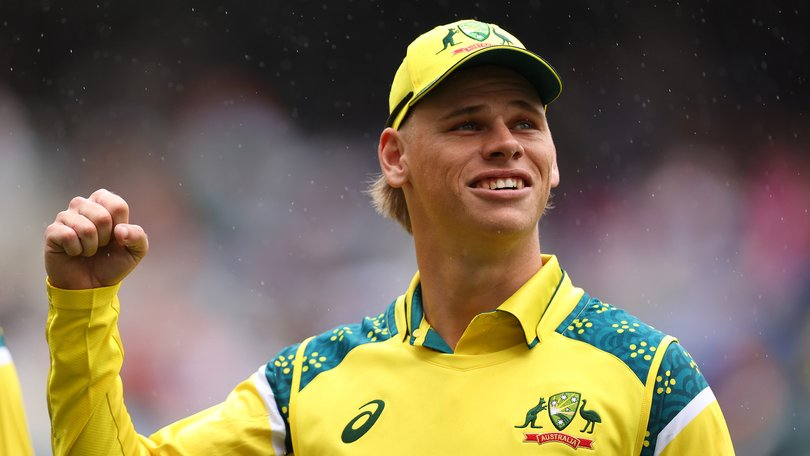
The 2026 Indian Premier League has introduced several tactical storylines, but few are as intriguing as the evolving role of Cooper Connolly within the Punjab Kings setup. Signed as a promising Australian all-rounder, Connolly arrived with expectations of balance—someone capable of contributing with both bat and ball. Instead, the early phase of IPL 2026 has reframed his role entirely.
- A New Face in a High-Stakes Campaign
- The Tactical Shift: From All-Rounder to Specialist Batter
- Punjab Kings’ Strategic Gamble at No.3
- A Team Balance Under Pressure
- External Reactions: Debate Around Role and Responsibility
- The Player’s Perspective: Learning and Adaptation
- Match Context: PBKS vs Gujarat Titans
- The Broader Implications for IPL 2026
- What Lies Ahead
- Conclusion: A Season of Dual Narratives
As Punjab Kings opened their campaign against Gujarat Titans on March 31, the spotlight was not just on results, but on how Connolly would fit into a side chasing redemption after finishing runners-up in IPL 2025.
What has unfolded is a narrative shaped by strategic adjustments, fitness constraints, and a broader debate about modern T20 roles.
The Tactical Shift: From All-Rounder to Specialist Batter
Why Connolly Isn’t Bowling
One of the most significant developments surrounding Connolly is his restricted role. Despite being a left-arm spin-bowling all-rounder, he has been instructed not to bowl during the early stages of IPL 2026.
This decision stems from a directive issued by Cricket Australia, aimed at managing a back issue—suspected to be a stress fracture. As a result, Connolly will operate purely as a specialist batter until at least the end of April.

This is not a minor adjustment. In a format where multi-dimensional players are prized, removing one skillset fundamentally alters team balance.
Punjab Kings’ Strategic Gamble at No.3
Replacing Josh Inglis and Reshaping the Batting Order
Punjab Kings have placed considerable trust in Connolly by assigning him the No.3 position—a critical role in T20 cricket. This decision effectively replaces Josh Inglis and signals a shift in the team’s batting philosophy.
The move is backed by head coach Ricky Ponting and reflects a deliberate attempt to inject aggression early in the innings.
At the same time, captain Shreyas Iyer has been repositioned to No.4, where he can stabilize or accelerate depending on the match situation. This restructuring aims to create a more flexible and resilient batting unit.



The Numbers Behind the Decision
Connolly’s T20 record presents a mixed picture:
- 52 T20 matches
- 870 runs
- Strike rate: 132.62
While these figures suggest potential, they also underline the risk of placing him in such a pivotal position early in the tournament.
A Team Balance Under Pressure
The Bowling Gap
Connolly’s inability to bowl has immediate tactical consequences. Punjab Kings had initially envisioned him as a Glenn Maxwell-type player—someone who could deliver both runs and overs.
Without his spin, the team’s bowling responsibilities shift heavily onto:
- Yuzvendra Chahal (primary spinner)
- Marcus Stoinis (pace-off variations)
This reduces flexibility and increases pressure on frontline bowlers, especially in high-scoring matches.
The “Cameron Green Parallel”
The situation has drawn comparisons to another Australian all-rounder, Cameron Green, who faced similar restrictions due to injury. In both cases, franchises invested in all-rounders but were forced to deploy them as specialist batters.
This parallel highlights a recurring structural issue in franchise cricket—where international workload management intersects with league expectations.
External Reactions: Debate Around Role and Responsibility
Irfan Pathan’s Criticism
Former India all-rounder Irfan Pathan openly questioned Connolly’s limited role, reflecting a broader skepticism within the cricketing community.
His statement captures the sentiment:
“It is being said that Cooper Connolly won’t bowl… Aaye ho to pura karo (if you have come, do everything)”
The critique is not solely about Connolly, but about the precedent it sets—whether teams should field players who are only partially available in terms of skillset.
The Player’s Perspective: Learning and Adaptation
For Connolly, IPL 2026 represents more than immediate performance—it is a developmental phase.
At 22 years old, he has already made his international debut across formats and views the IPL as an opportunity to learn from elite players. His interactions with Shreyas Iyer and the chance to work under Ricky Ponting have been central to his growth mindset.
He acknowledged this learning curve, emphasizing his desire to “challenge myself against the best in the world.”
This perspective reframes his current limitations as part of a longer-term progression rather than a setback.
Match Context: PBKS vs Gujarat Titans
The opening fixture against Gujarat Titans provides a clear snapshot of how Connolly fits into the team structure.
- PBKS captain Shreyas Iyer won the toss and elected to bowl first
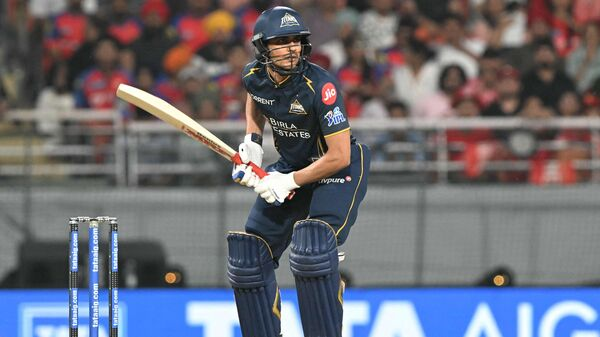
- Connolly slotted into the top order as a pure batter
- The team relied on a pace-heavy attack and limited spin options
The match also highlighted key tactical battles, including:
- Rashid Khan vs PBKS middle order
- GT’s power-packed lineup featuring Shubman Gill and Jos Buttler
- PBKS’ reliance on Arshdeep Singh and new-ball swing
The Broader Implications for IPL 2026
Rethinking the All-Rounder Role
Connolly’s situation raises important questions about how franchises evaluate all-rounders:
- Should teams prioritize fully fit specialists over partially available all-rounders?
- How should franchises balance long-term player development with immediate performance needs?
- What role should national boards play in franchise tournaments?
These questions extend beyond a single player and point to evolving dynamics in global T20 cricket.
What Lies Ahead
The next phase of IPL 2026 will be critical for both Connolly and Punjab Kings.
Key Factors to Watch
- Whether Connolly delivers consistent performances as a top-order batter
- How PBKS manage their bowling resources without his spin
- The impact of his eventual return to bowling after April
If Connolly adapts successfully, Punjab Kings could unlock a more aggressive and dynamic batting approach. If not, the lack of balance may become a defining weakness in their campaign.
Conclusion: A Season of Dual Narratives
Cooper Connolly’s IPL 2026 journey is unfolding as a dual narrative—one of opportunity and limitation.
On one hand, he has been entrusted with a pivotal batting role in a team chasing its first IPL title. On the other, he operates under restrictions that fundamentally alter his value as an all-rounder.
For Punjab Kings, this is a calculated gamble. For Connolly, it is a formative test at the highest level of franchise cricket.
The outcome of this experiment may not only shape PBKS’ season but also influence how teams approach all-rounders in future IPL auctions.