



Jambon Blanc Intermarché Recall: A Routine Staple Under Health Scrutiny
A Sudden Alert for a Common Kitchen Essential
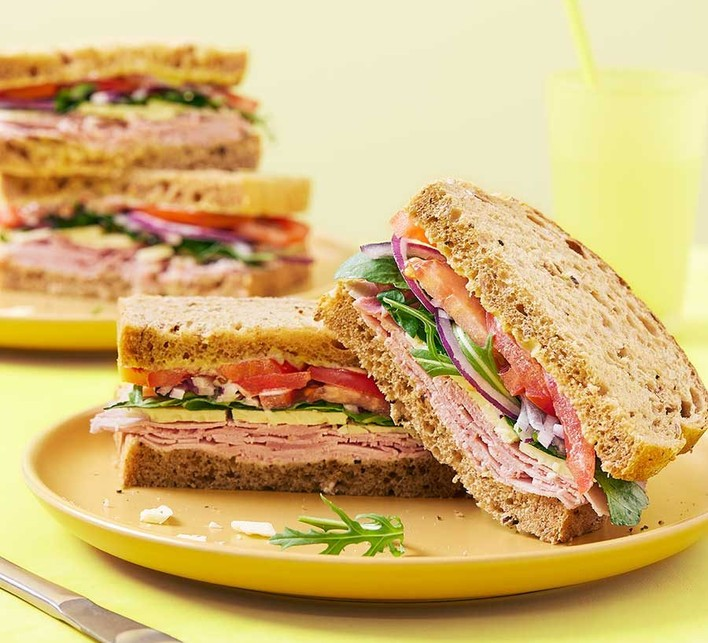
For many households across France, jambon blanc (cooked ham) is a daily staple—used in sandwiches, salads, or classic dishes like endives au jambon. However, a recent nationwide alert has disrupted that routine. A specific reference of cooked ham sold widely in Intermarché stores has been officially recalled due to contamination concerns.
- A Sudden Alert for a Common Kitchen Essential
- What Triggered the Recall?
- Product Details: What Exactly Is Affected?
- Understanding the Health Risks
- What This Process Means for Consumers
- A Broader Pattern of Food Safety Alerts
- Industry and Consumer Implications
- Looking Ahead: Strengthening Food Safety Confidence
- Conclusion
The recall, issued through the government platform Rappel Conso, highlights a serious public health risk linked to the presence of Listeria monocytogenes, a bacterium capable of causing severe illness.
This development has quickly drawn attention—not only because of the product’s widespread availability, but also because of the potentially serious health implications.

What Triggered the Recall?
A Contamination Risk Identified
On March 30, 2026, authorities flagged a batch of Italian-style cooked ham due to suspected contamination with Listeria monocytogenes. This bacterium is responsible for Listeriosis, a foodborne illness that can be particularly dangerous in certain populations.
Unlike many foodborne infections, listeriosis is notable for its long incubation period, which can extend up to eight weeks after consumption. This makes early detection and awareness critical.
Product Details: What Exactly Is Affected?
The recall specifically targets a 120g tray of Italian cooked ham, distributed nationwide through Intermarché outlets.
Key identifiers include:
- GTIN: 3294380019135
- Batch number: 627.006401.0
- Use-by date: April 7, 2026
- Sales period: March 6 to March 27, 2026
- Branding: Unbranded (Italian cooked ham)
Consumers who purchased ham during this window are strongly advised to check packaging details carefully.
In addition to this specific product, reports indicate that other cooked ham references—including some sold across major retailers such as E.Leclerc, Auchan, Casino, and Système U—have also faced similar recall actions, although distribution may vary by region.
Understanding the Health Risks
What Is Listeriosis?
Listeriosis is not a typical mild food poisoning case. It can escalate into a serious systemic infection, especially for vulnerable groups.
Common symptoms include:
- Fever (sometimes isolated)
- Headaches
- Muscle aches (courbatures)
In more severe cases, complications may involve neurological symptoms or, in pregnant women, maternal or fetal harm.
High-Risk Groups
Health authorities emphasize increased vigilance for:
- Pregnant women
- Elderly individuals
- Immunocompromised persons
For these groups, the consequences can be significantly more severe, requiring immediate medical attention if symptoms appear.
What This Process Means for Consumers
The recall procedure is designed to remove contaminated products from circulation and minimize public exposure.
Here are the steps consumers should follow:
- Do not consume the product under any circumstances—even if it appears normal or is within its expiration date.
- Return the product to an Intermarché store to receive a refund.
- Monitor your health if you have already consumed the product.
- Consult a doctor immediately if symptoms such as fever, headaches, or body aches occur, and clearly mention the consumption of the recalled ham.
The recall campaign remains active until April 10, 2026, giving consumers a defined window to act.
A Broader Pattern of Food Safety Alerts
This incident is not isolated. Recent months have seen multiple recalls across France involving products contaminated with bacteria such as E. coli, salmonella, and listeria.
These recurring alerts point to a broader trend: heightened surveillance in the food supply chain. While this reflects improved detection systems, it also underscores the complexity of maintaining safety standards in mass food distribution.
For retailers like Intermarché and others, such recalls can impact consumer trust, even when handled transparently and efficiently.
Industry and Consumer Implications
For Retailers and Suppliers
Product recalls of this scale often trigger:
- Supply chain audits
- Increased quality control measures
- Temporary disruptions in product availability
They also reinforce the importance of traceability systems, allowing authorities to identify affected batches quickly.
For Consumers
The incident serves as a reminder of the importance of:
- Checking recall notices regularly
- Inspecting product labels and batch numbers
- Following official health guidance without delay
Food safety awareness remains a shared responsibility between producers, regulators, and consumers.
Looking Ahead: Strengthening Food Safety Confidence
While recalls can be disruptive, they also demonstrate that monitoring systems are functioning as intended. Early detection and rapid communication are essential in preventing larger public health crises.
Going forward, continued investment in:
- Food safety technology
- Supply chain transparency
- Consumer education
will be critical in maintaining trust in everyday food products like jambon blanc.
Conclusion
The recall of jambon blanc sold at Intermarché highlights how even the most routine grocery items can become a health concern under specific conditions. With clear guidance from authorities and structured recall procedures in place, consumers have the tools needed to respond effectively.
The key takeaway is straightforward: stay informed, verify your products, and act promptly when alerts are issued.