


Clémentine Célarié: A Family of Artists in the Spotlight
A Television Moment That Captures More Than a Career
On Sunday, March 22, 2026, viewers of Vivement Dimanche witnessed more than a standard celebrity appearance. Hosted by Michel Drucker on France 3, the long-running program brought together a mix of cultural figures—but one moment stood out with particular clarity.
- A Television Moment That Captures More Than a Career
- The Stage as a Shared Space Between Generations
- A Broader Portrait of a Creative Family
- Contextualizing the Appearance Within “Vivement Dimanche”
- Health, Resilience, and Public Perception
- Cultural Implications: Art as Inheritance and Adaptation
- Looking Ahead: Emerging Voices Within Established Legacies
- Conclusion: More Than an Appearance
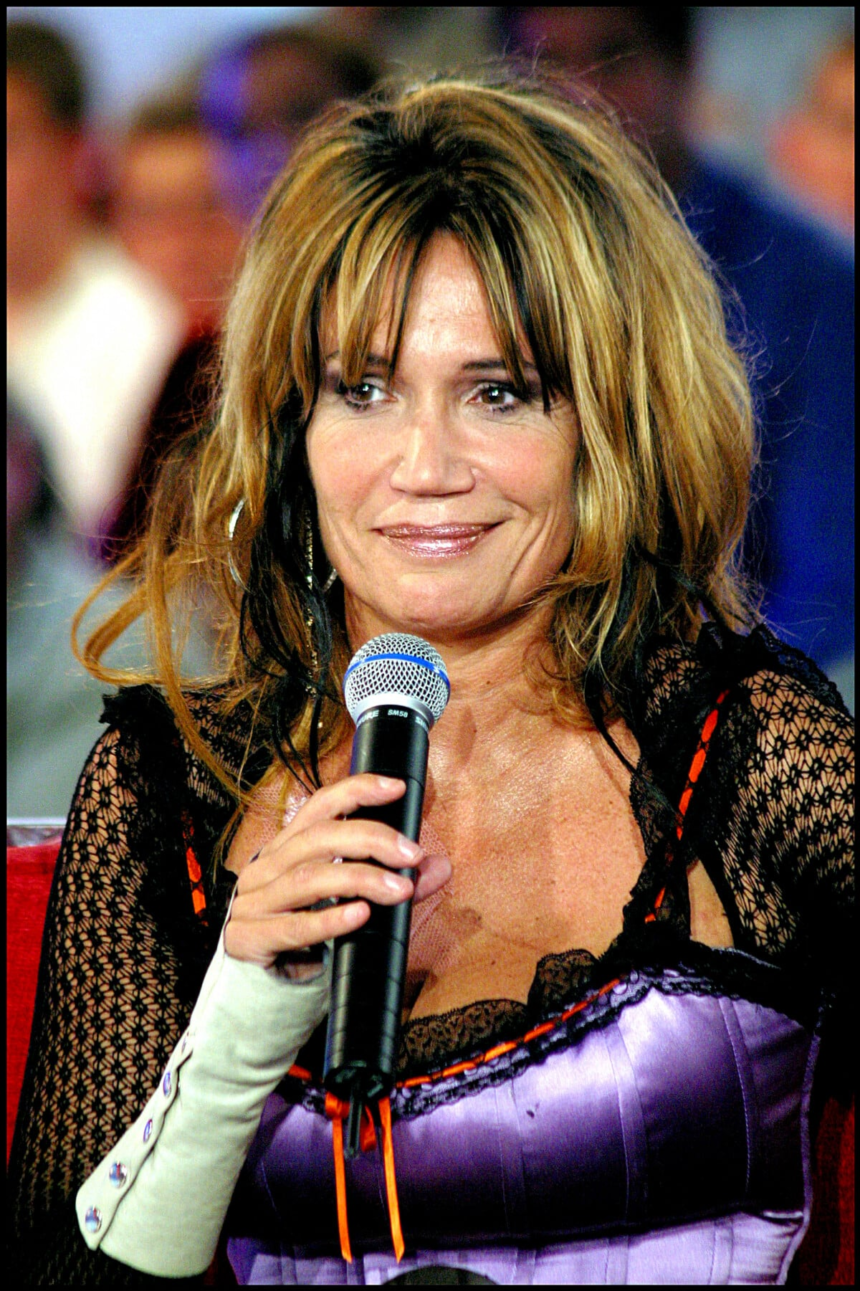
Actress Clémentine Célarié appeared on the iconic red sofa not alone, but accompanied by her son, Gustave Reichert. What unfolded on stage was not simply a promotional appearance, but a subtle yet compelling illustration of artistic continuity across generations.
This episode, featuring a lineup that included Catherine Ceylac, Fatou Diome, Ana Carla Maza, and Nathalie Garçon, positioned Célarié’s presence within a broader cultural conversation—yet her segment carried a distinct emotional and artistic weight.
The Stage as a Shared Space Between Generations
The appearance of Gustave Reichert was not incidental. A musician in his own right, he performed a piece on guitar during the broadcast, reinforcing the idea that artistic identity within the family is not static but evolving.
Célarié, widely recognized for her work in productions such as Les Bleus, premiers pas dans la police and Lebowitz contre Lebowitz, has long established herself as a versatile presence in French cinema and television. Yet this moment shifted the focus from individual achievement to collective creative inheritance.
The dynamic between mother and son was understated but telling. Rather than positioning Reichert as a supporting figure, the program allowed him to occupy his own artistic space—suggesting a deliberate editorial choice to highlight emerging talent alongside established reputation.



A Broader Portrait of a Creative Family
This televised moment gains additional depth when considered alongside Célarié’s own reflections on her family. Speaking earlier in February, she described a household defined by artistic diversity:
“Abraham il fait du hip-hop, il fait partie d’une troupe de danse, il fait de la production lui-même. Il fait de la musique, c’est magnifique (…) Mon deuxième, il fait de la musique, du jazz. Et le jazz aujourd’hui, ça marche, sauf que c’est difficile d’en vivre. Mon troisième est peintre, il fait de la scénographie.”
This statement outlines a multi-disciplinary creative ecosystem:
- Abraham Diallo: involved in hip-hop, dance, and music production
- Gustave Reichert: focused on music, with an emphasis on jazz
- Balthazar Reichert: engaged in painting and scenography
Rather than a singular artistic lineage, the family represents a network of creative practices spanning performance, visual arts, and production. The implication is structural: artistic expression is not confined to one medium or career path but distributed across multiple forms.
Contextualizing the Appearance Within “Vivement Dimanche”
Vivement Dimanche, on air since 1998, has built its identity around long-form, conversational encounters with cultural figures. The program’s format—centered on the now-iconic red sofa—encourages reflection rather than spectacle.



In this particular episode:
- Catherine Ceylac revisited her well-known “dos-à-dos” interview format
- The guest list blended media, literature, and music
- The atmosphere leaned toward retrospective and personal storytelling
Within this structure, Célarié’s segment functioned as both a personal narrative and a live artistic demonstration. It aligned with the show’s broader editorial direction while introducing a generational dimension that is not always foregrounded in such formats.
Health, Resilience, and Public Perception
Célarié’s public image also carries a layer of personal resilience. Having faced colon cancer, her continued presence in media and performance contexts contributes to a narrative that extends beyond artistic output.
While the episode did not center explicitly on her health journey, the context remains relevant. Public figures who navigate serious illness often reshape audience perception—not only as performers but as individuals whose personal experiences inform their public roles.
This dimension adds interpretive depth to her appearance. The image of a mother sharing a stage with her son, within a career that has spanned decades and personal challenges, resonates beyond entertainment.
Cultural Implications: Art as Inheritance and Adaptation
The significance of this televised moment lies in its broader cultural implications. It reflects several intersecting trends:
1. Intergenerational Artistic Continuity
The presence of both Célarié and Reichert on the same platform illustrates how artistic identity can be transmitted, adapted, and reinterpreted across generations.
2. Diversification of Creative Careers
The varied paths of her children—music, dance, visual arts—highlight a shift away from linear career models toward multi-disciplinary engagement.
3. Television as a Space for Cultural Framing
Programs like Vivement Dimanche continue to serve as platforms where personal narratives are contextualized within wider cultural frameworks.
Looking Ahead: Emerging Voices Within Established Legacies
The inclusion of Gustave Reichert signals a forward-looking dimension. While Célarié’s career is well established, the program subtly introduced audiences to a new generation of artists.
The challenge for emerging figures like Reichert lies in navigating the balance between inherited visibility and independent artistic identity. Appearances such as this provide exposure, but they also invite scrutiny regarding originality and direction.
For Célarié, the moment reinforces a different trajectory: transitioning from individual performer to a figure embedded within a broader creative lineage.
Conclusion: More Than an Appearance
Clémentine Célarié’s presence on Vivement Dimanche on March 22, 2026, was not defined by promotion or retrospective alone. It functioned as a compact narrative—one that combined career recognition, personal history, and generational transition.
By sharing the stage with her son, she reframed the conversation around her work. The focus shifted from past achievements to ongoing influence, from individual success to collective creativity.
In that sense, the episode offered a concise but layered portrayal of what it means to sustain an artistic life—not only through one’s own work, but through the emergence of others shaped within the same environment.