



Claire Foy Returns in a Bold New Chapter: Inside Savage House and Her Evolving Screen Legacy
Introduction: A Familiar Face, Reframed
Few contemporary British actors have navigated the balance between prestige television and cinematic experimentation as precisely as Claire Foy. Widely recognized for her defining portrayal of Queen Elizabeth II in The Crown, Foy has since pursued a career marked by deliberate contrast—moving from restraint to volatility, from historical realism to sharp satire.
- Claire Foy Returns in a Bold New Chapter: Inside Savage House and Her Evolving Screen Legacy
- A Dark Satire Set Against Turbulent History
- Claire Foy as Lady Savage: Precision Meets Instability
- Visual and Narrative Tone: Decadence as a Mask
- Strategic Release Positioning
- Industry Context: The Continued Rise of Prestige Hybrid Cinema
- Cultural Implications: Reframing the Past
- What Comes Next for Claire Foy?
- Conclusion: A Calculated Evolution
Her latest project, Savage House, signals another calculated shift. Positioned within a volatile 18th-century setting, the film places Foy at the center of a narrative that is equal parts period drama and biting social critique. The result is not simply another historical role, but a continuation of her broader artistic trajectory: one that interrogates power, identity, and societal structures.
A Dark Satire Set Against Turbulent History
At the core of Savage House is a narrative rooted in instability. Set during 18th-century England, the story unfolds amid a devastating pox outbreak and the political unrest of the Jacobite Uprising—two forces that heighten both physical and ideological tension.
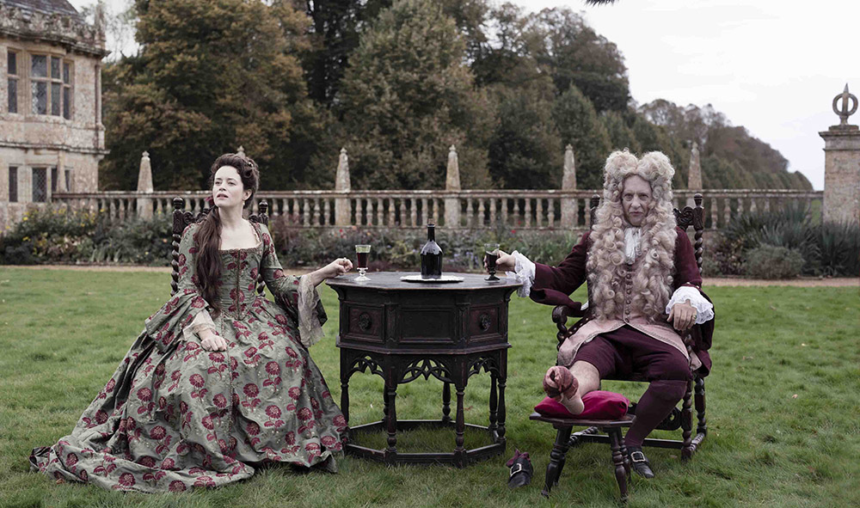
Savage House introduces audiences to Sir Chauncey Savage and Lady Savage, portrayed by Richard E. Grant and Claire Foy respectively. Together, they embody a couple driven by relentless ambition.
Their pursuit is explicit: status, prosperity, and elevation within a rigid class hierarchy. However, this pursuit unfolds with a notable lack of restraint, resulting in what the film frames as “chaos, scandal, and more than a little bloodshed.”
Thematic Architecture of the Film
The narrative operates across several thematic layers:


-
Class and Power: The Savages’ ambition reflects a broader critique of aristocratic excess.
-
Moral Decay: The film juxtaposes visual decadence—powdered wigs, lavish settings—with ethical deterioration.
-
Crisis as Catalyst: The pox outbreak and political upheaval intensify human behavior, exposing underlying motivations.
Described as a “darkly satirical story,” the film adopts a tone that blends absurdity with brutality. Duels, indulgence, and violence are not incidental—they are structural elements reinforcing its critique of privilege.
Claire Foy as Lady Savage: Precision Meets Instability
Foy’s casting as Lady Savage is analytically consistent with her career pattern. She often gravitates toward characters positioned within systems of authority, yet internally conflicted or evolving.
In Savage House, that dynamic is amplified.
Lady Savage is not a passive participant in her husband’s ambitions. Instead, she is depicted as equally driven—perhaps more so. Her motivations align with a shared “blind pursuit of a better life,” suggesting a character defined by intensity rather than restraint.


Performance Expectations
While the full performance will only be assessed upon release, the available material indicates:
-
A departure from the composed stillness seen in The Crown
-
A more volatile, possibly unpredictable emotional range
-
Engagement with satire, requiring tonal precision between seriousness and absurdity
This aligns with Foy’s post-Crown strategy: selecting roles that challenge audience expectations and expand her interpretive range.
Visual and Narrative Tone: Decadence as a Mask
The trailer for Savage House presents a distinct aesthetic: opulence layered over decay.
-
Lavish costumes and aristocratic settings suggest wealth and refinement
-
Beneath this surface lies corruption, moral compromise, and escalating violence
The phrase “a world dripping in decadence, where powdered wigs barely conceal moral decay” encapsulates this duality.
From a cinematic perspective, this contrast functions as both visual metaphor and narrative device. It reinforces the film’s central argument: that systems of power often depend on illusion.
Strategic Release Positioning
The film is scheduled for release in cinemas on June 5, placing it within a competitive early-summer window. This timing is notable:
-
It allows Savage House to stand apart from blockbuster-heavy late summer releases
-
It positions the film as an alternative offering—appealing to audiences seeking character-driven, thematically dense storytelling
Given the involvement of a major studio and recognizable talent, expectations will likely center on both critical reception and performance within the specialty film market.
Industry Context: The Continued Rise of Prestige Hybrid Cinema
Savage House sits within a broader industry trend: the blending of historical drama with genre elements such as satire, dark comedy, and heightened violence.
This approach reflects evolving audience preferences:
-
Traditional period dramas are increasingly being reinterpreted
-
Satirical narratives provide contemporary relevance to historical settings
-
Character-driven storytelling remains central, but with more experimental tonal shifts
Claire Foy’s participation in such a project underscores her alignment with this trend. Rather than anchoring herself exclusively in conventional prestige roles, she is engaging with material that redefines the genre.
Cultural Implications: Reframing the Past
Films like Savage House are not purely historical reconstructions. They operate as commentary—using past events to interrogate present concerns.
Key implications include:
-
Power Structures: The film’s critique of aristocracy mirrors ongoing discussions about inequality
-
Crisis Behavior: The depiction of a society under strain resonates with modern experiences of global instability
-
Satire as Analysis: Humor and exaggeration become tools for exposing systemic flaws
Through Lady Savage, Foy becomes a conduit for these themes, translating historical context into contemporary relevance.
What Comes Next for Claire Foy?
Foy’s career trajectory suggests continued diversification. Her selection of Savage House indicates a preference for:
-
Complex, layered characters
-
Narratives that challenge conventional storytelling
-
Projects that balance artistic ambition with audience accessibility
Future developments will likely follow this pattern, positioning her as a consistent presence in high-caliber, concept-driven productions.
Conclusion: A Calculated Evolution
Savage House represents more than a new release—it is a continuation of Claire Foy’s methodical evolution as an actor.
By stepping into the role of Lady Savage, she engages with a narrative that is simultaneously historical and contemporary, theatrical and analytical. The film’s blend of satire, violence, and social commentary provides a framework within which her performance can operate at multiple levels.
As the June 5 release approaches, attention will focus not only on the film itself, but on how it further defines Foy’s place within a changing cinematic landscape.