

Céline Dion Comeback: A Return Forged Through Resilience
A Defining Return After Years of Silence
After years away from the spotlight, Céline Dion has officially announced her long-awaited return to the stage—an event that transcends a typical concert tour. It is a cultural moment shaped by endurance, illness, and unwavering fan support.
- A Defining Return After Years of Silence
- The Paris Announcement That Captured Global Attention
- The Health Battle Behind the Hiatus
- Training, Discipline, and the Road Back
- The Olympic Moment That Signaled a Comeback
- New Music and a Strategic Artistic Revival
- Demand, Hype, and Early Challenges
- Cultural Impact: More Than a Comeback
- What Comes Next?
- Conclusion: A Comeback Defined by Strength
On March 31, 2026, the global music icon revealed she will perform a series of concerts in Paris, marking her first major live performances since 2020. The announcement, made on her 58th birthday, carried emotional weight. Dion described the comeback as “the best gift of my life,” underscoring how deeply personal this return is.
Her comeback is not just a continuation of a career—it is a reclamation of it.
The Paris Announcement That Captured Global Attention
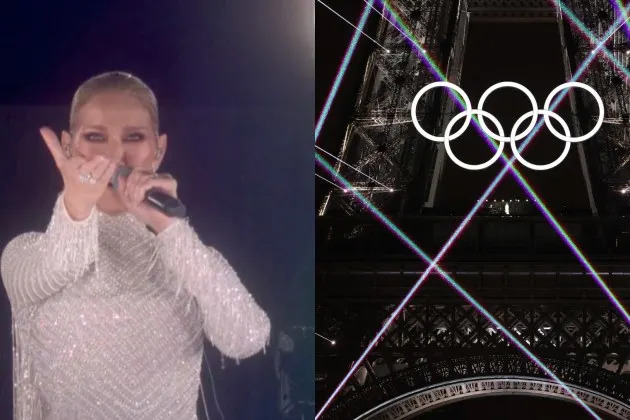
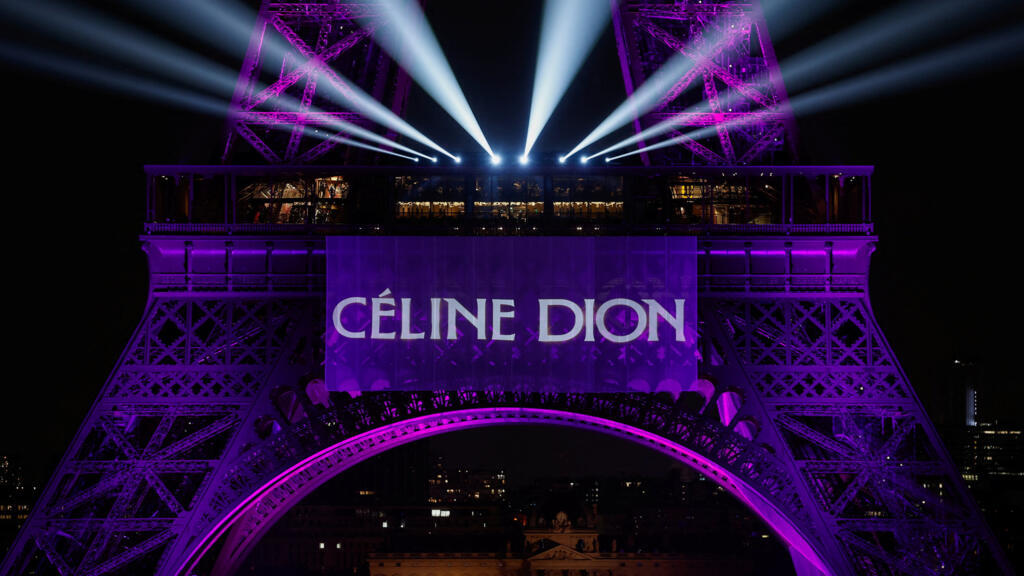
The setting for Dion’s announcement was carefully chosen and symbolically powerful. A message projected onto the Eiffel Tower declared: “Paris, I’m ready,” illuminating the city in both spectacle and sentiment.
Thousands gathered as her music played, reinforcing the deep connection between the singer and her audience.


The comeback includes:
- 10 concerts over five weeks
- Starting September 12, 2026
- Hosted at Paris La Défense Arena, Europe’s largest indoor concert venue
- A residency format designed to balance performance with health management
The structure of the shows—spaced out over time—reflects a careful, medically informed approach to returning to live performance.
The Health Battle Behind the Hiatus
Dion’s absence from the stage was not voluntary. In December 2022, she revealed she had been diagnosed with Stiff Person Syndrome, a rare neurological condition affecting muscle control and mobility.
The disorder:



- Causes muscle stiffness and spasms
- Can affect walking and vocal performance
- Has no known cure, though symptoms can be managed
At its peak, the illness disrupted “every aspect” of her life, including her ability to sing. The severity forced the cancellation of her Courage World Tour, which had already been impacted by the COVID-19 pandemic.
Dion later described the physical sensation of singing with the condition as “like somebody is strangling you,” illustrating the extent of her struggle.
Training, Discipline, and the Road Back
Rather than retreat from her career, Dion adopted an athlete’s mindset toward recovery.
Her regimen included:
- Five days a week of therapy
- Combined physical, vocal, and neurological training
- Intensive work on muscle control and vocal endurance
She framed her recovery in stark terms: either fight relentlessly or step away entirely. She chose the former.
This disciplined rehabilitation allowed her to gradually regain the ability to sing—and even “do a little bit of dancing,” as she told fans.
The Olympic Moment That Signaled a Comeback
Before announcing her Paris residency, Dion offered a glimpse of her return during the opening ceremony of the Paris 2024 Olympic Games.
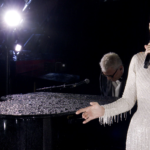
Performing from the Eiffel Tower in heavy rain, she delivered a powerful rendition of Edith Piaf’s “Hymne à l’Amour.” That performance was widely interpreted as both symbolic and strategic—a controlled re-entry into live singing.
It demonstrated:
- Vocal capability under pressure
- Emotional resonance with global audiences
- Physical readiness for future performances
In hindsight, it was a precursor to the full comeback now unfolding.
New Music and a Strategic Artistic Revival
The Paris concerts will not only revisit Dion’s catalog but also introduce new material. A new single is expected, created in collaboration with Jean-Jacques Goldman, the composer behind her landmark French-language album D’eux.
This signals a broader strategy:
- Reconnect with French audiences, central to her early success
- Blend legacy hits with new releases
- Reinforce her bilingual musical identity
With more than 260 million albums sold worldwide and multiple Grammy Awards, Dion’s return carries both commercial and artistic significance.
Demand, Hype, and Early Challenges
The announcement triggered immediate global demand. Ticket sales are expected to be “astronomical,” with presale registrations opening ahead of general sales.
However, the rollout has not been without issues:
- Fans reported technical glitches during presale registration
- Complaints included long wait times and confusing systems
- Some described the process as a “queue for a queue”
Despite these frustrations, the overwhelming response highlights the scale of anticipation surrounding her return.
Cultural Impact: More Than a Comeback
Dion’s return resonates beyond the music industry. It intersects with broader cultural themes:
1. Visibility for Rare Diseases
Her openness about Stiff Person Syndrome has brought global awareness to a condition affecting only a small population.
2. Redefining Longevity in Music
At 58, Dion challenges industry norms around age, performance, and relevance.
3. Emotional Connection with Audiences
Her narrative—illness, resilience, and return—has deepened her bond with fans, transforming her concerts into shared emotional experiences.
What Comes Next?
While the Paris residency is the immediate focus, it raises larger questions about the future:
- Will this lead to a global tour relaunch?
- Could new music mark a creative renaissance phase?
- How will she balance health constraints with performance demands?
The spacing of concert dates suggests a cautious, sustainable approach—one that prioritizes longevity over intensity.
Conclusion: A Comeback Defined by Strength
Céline Dion’s return is not simply about performing again—it is about reclaiming identity in the face of adversity. Her journey from diagnosis to recovery, and now back to the stage, reframes what a “comeback” means.
It is measured, deliberate, and deeply human.
For audiences in Paris and around the world, these concerts will represent more than entertainment. They will stand as proof that even in the most challenging circumstances, artistry—and determination—can endure.