


Catherine, Princess of Wales Husband: A Modern Royal Partnership in Focus
Introduction: The Man Beside the Future Queen
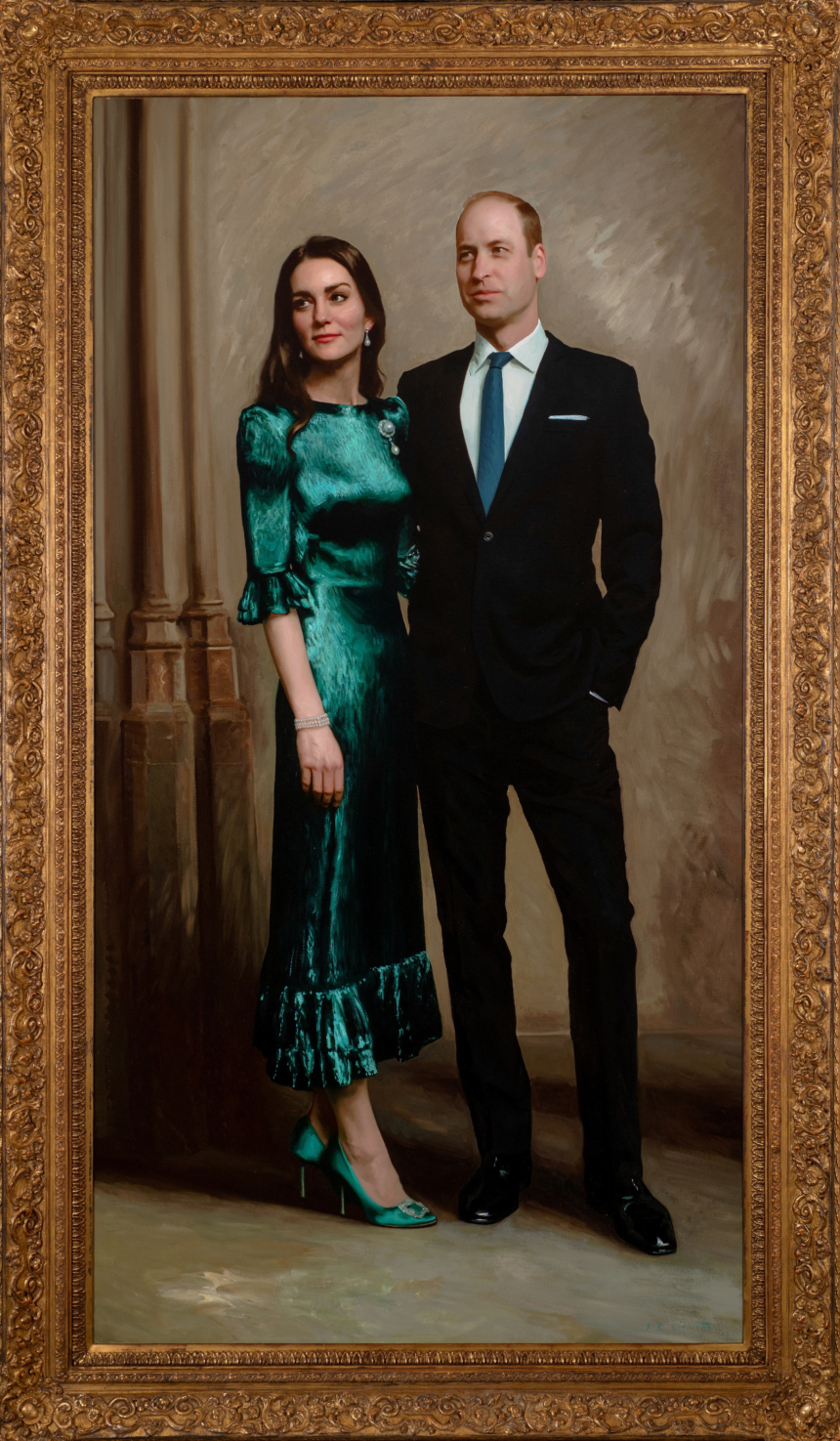
The husband of Catherine, Princess of Wales is Prince William—a central figure in the British monarchy and the heir to the throne. Their relationship is not only one of the most closely followed royal unions in the world, but also a defining example of how the modern monarchy blends tradition with relatability.
- Introduction: The Man Beside the Future Queen
- Who Is Prince William? The Role Behind the Title
- A Relationship Defined by Simplicity and Equality
- Public Appearances: A United Royal Front
- Subtle Tributes: How Catherine Honors Her Husband
- Shared Duties and Causes
- Balancing Tradition and Modernity
- Cultural and Societal Impact
- Looking Ahead: The Future of the Royal Partnership
- Conclusion: More Than a Royal Title
From official engagements to subtle personal gestures, their partnership reflects both institutional duty and genuine companionship. Recent public appearances and interactions reveal a relationship that is both deeply rooted in royal protocol and refreshingly informal in tone.
Who Is Prince William? The Role Behind the Title
Prince William holds several titles, including Prince of Wales, Duke of Cornwall, and Duke of Rothesay. As the eldest son of King Charles III, he is first in line to the British throne.
His responsibilities extend beyond ceremonial duties. He is actively involved in charitable initiatives, particularly in areas such as mental health, emergency services, and environmental sustainability. His past work as an air ambulance pilot (2015–2017) underscores a hands-on approach to public service.
This blend of royal obligation and professional experience has shaped his public image as a future monarch grounded in real-world experience.

A Relationship Defined by Simplicity and Equality
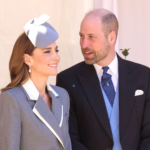
Despite their high-profile status, the relationship between Catherine and Prince William is notably informal in private interactions. During a hospital visit in January 2026, Catherine introduced her husband to a patient in strikingly simple terms:
“This is William.”
This moment reflects a broader pattern. The couple often refers to each other by their first names rather than titles, even during official engagements. They also sign communications with just their initials—“W” and “C”—emphasizing a partnership built on equality rather than hierarchy.
Such gestures contribute to a more accessible image of the monarchy, aligning with evolving public expectations.
Public Appearances: A United Royal Front
Easter 2026: Family and Tradition
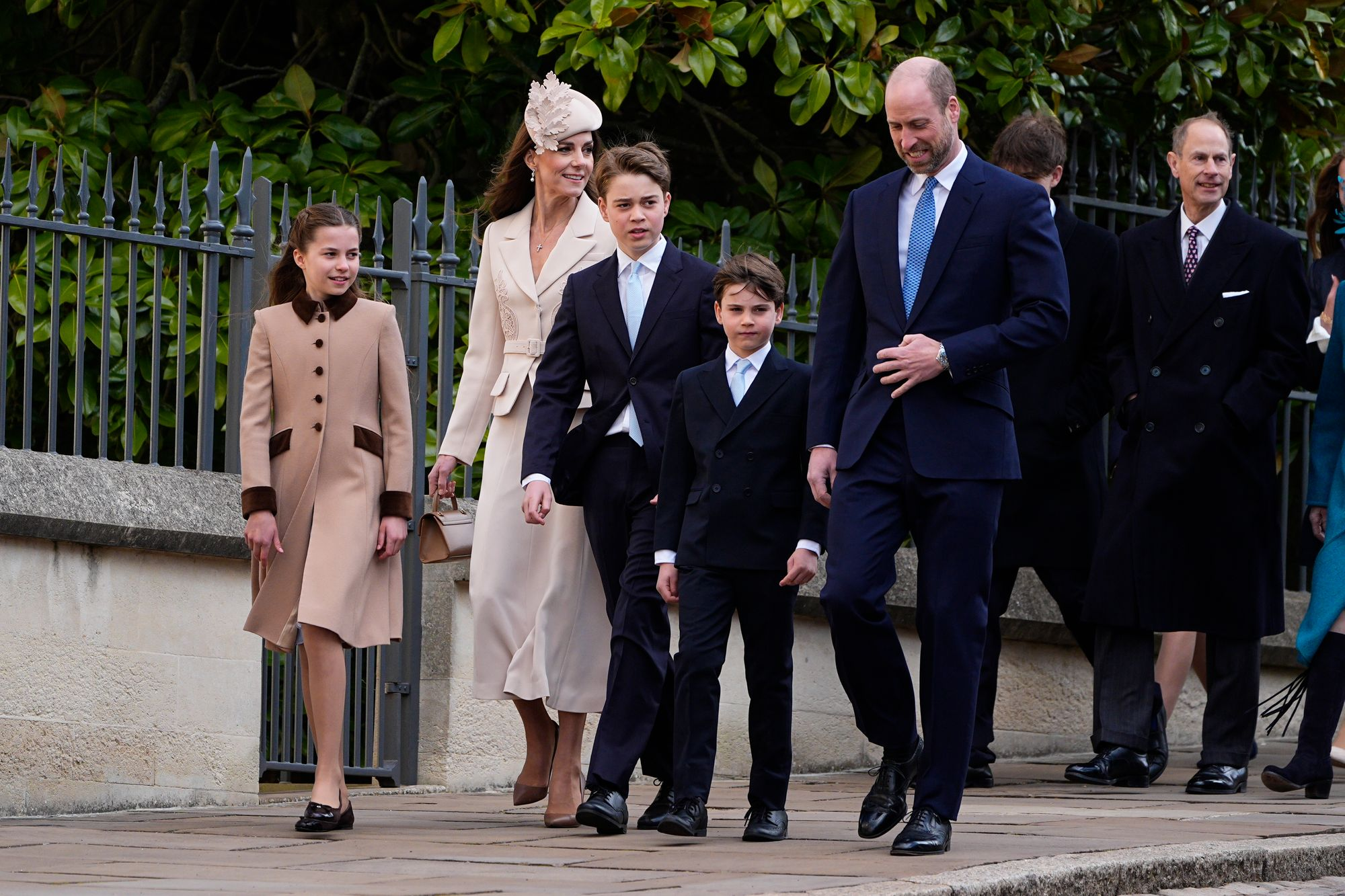
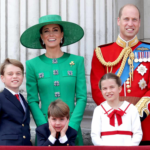
In April 2026, Catherine and Prince William appeared together at the Easter Matins Service at St George’s Chapel in Windsor, accompanied by their children—Prince George, Princess Charlotte, and Prince Louis.



The event illustrated several key dynamics:
- The couple’s visible unity during formal occasions
- Their role as parents raising the next generation of royals
- Their adherence to royal traditions, including gestures of respect such as Catherine’s curtsy to the King
These appearances reinforce their position as the central family unit within the monarchy’s future.
Christmas 2025: Connecting with the Public
At the Christmas Day service in Sandringham, the Prince and Princess of Wales joined senior royals in greeting crowds and engaging with the public.
Notable elements included:
- Direct interaction with well-wishers
- Their children participating independently with the public
- Catherine engaging in extended conversations while receiving gifts
These moments highlight the couple’s role in maintaining public connection—an essential function of the modern monarchy.
Subtle Tributes: How Catherine Honors Her Husband
Catherine frequently incorporates personal tributes to Prince William into her public appearances, often through fashion and symbolic gestures.
Jewelry with Meaning
At a Windsor Castle reception in January 2026, she wore pearl earrings—significant because pearls are Prince William’s birthstone.
This choice reflects a pattern of using accessories to convey personal meaning within formal settings, blending private sentiment with public presentation.
Crafting a Personal Gift
During a visit to a Welsh denim manufacturer, Catherine took a hands-on approach by helping to sew a pair of jeans for her husband. Holding the finished piece, she remarked:
“He will love them.”
This moment illustrates a more personal dimension of their relationship—one that extends beyond ceremonial duties into everyday expressions of affection.
Shared Duties and Causes
Catherine and Prince William often work together on joint initiatives, reinforcing their partnership as both personal and professional.
At a January 2026 visit to Charing Cross Hospital, they highlighted the work of NHS staff and volunteers. Their joint patronage of NHS Charities Together reflects a shared commitment to healthcare and community support.
Prince William’s remarks during the visit emphasized their shared experiences:
- His work with air ambulance services
- Catherine’s recent health journey
This alignment of personal experience with public advocacy strengthens their credibility and impact.
Balancing Tradition and Modernity
The relationship between Catherine and Prince William operates at the intersection of tradition and modernity.
Traditional Elements
- Participation in formal ceremonies and royal protocols
- Observance of hierarchical gestures such as curtsies and bows
- Representation of the monarchy at national events
Modern Elements
- Use of first names in public interactions
- Informal communication style
- Emphasis on relatability and accessibility
This dual approach allows the couple to maintain institutional continuity while adapting to contemporary expectations.
Cultural and Societal Impact
As the future King and Queen, their relationship carries broader implications:
1. Redefining Royal Marriage
Their partnership reflects a shift toward equality and mutual respect, moving away from rigid traditional roles.
2. Strengthening Public Trust
By presenting themselves as relatable and grounded, they help sustain public interest and support for the monarchy.
3. Influencing Public Behavior
Their advocacy work—particularly in health and social causes—has measurable influence on public awareness and engagement.
Looking Ahead: The Future of the Royal Partnership
As Prince William prepares to eventually ascend the throne, his relationship with Catherine will become even more central to the monarchy’s identity.
Key trends to watch include:
- Increased joint engagements focused on social impact
- Continued emphasis on family as a public narrative
- Strategic modernization of royal communication and outreach
Catherine’s evolving role, alongside her husband, suggests a future monarchy that is both stable and adaptive.
Conclusion: More Than a Royal Title
The husband of Catherine, Princess of Wales—Prince William—is more than a constitutional figure. He is a partner in a relationship that blends duty, affection, and shared purpose.
From informal introductions like “This is William” to symbolic gestures such as handcrafted gifts and meaningful jewelry, their bond is expressed in ways that resonate beyond palace walls.
As they continue to shape the future of the British monarchy, their partnership stands as a defining example of how tradition can coexist with authenticity.