



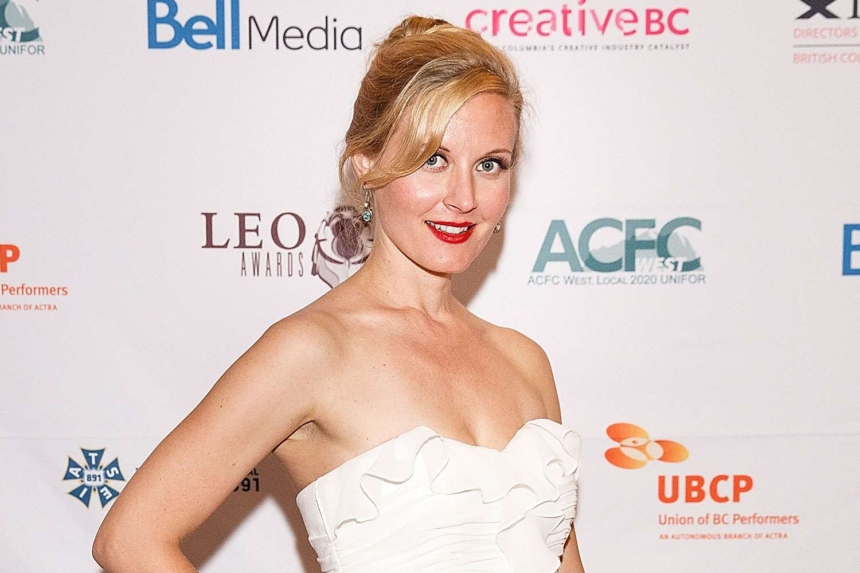
Carrie Anne Fleming: A Life in Film, Television, and Quiet Impact
A Sudden Loss That Resonates Across Screens
The entertainment industry has been marked by the passing of Canadian actress Carrie Anne Fleming, who died at the age of 51 following complications from breast cancer. Her death, confirmed by her close friend and co-star Jim Beaver, has prompted an outpouring of tributes that highlight not only her professional contributions but also her deeply personal impact on those who knew her.
- Carrie Anne Fleming: A Life in Film, Television, and Quiet Impact
- From Nova Scotia Roots to the Screen
- Building a Career in Genre Television
- Expanding Range: From Drama to Cult Favorites
- A Continued Commitment to Theatre
- Personal Connections and Public Tributes
- Career Analysis: A Specialist in Genre Storytelling
- Cultural and Industry Significance
- Final Reflection: A Career Defined by Craft and Connection
Fleming passed away on February 26, 2026, in Sidney, leaving behind a legacy shaped by versatility, resilience, and a distinctive presence across television, film, and stage.
She is survived by her daughter, Madalyn Rose.
From Nova Scotia Roots to the Screen
Early Life and Training
Born on August 16, 1974, in Digby, Fleming’s journey into acting began far from the spotlight. Her formative years in Victoria saw her pursue formal training at Mount Douglas Senior Secondary, followed by involvement with the Kaleidoscope Theatre and the Kidco Theatre Dance Company.
This foundation in performance arts—combining stage discipline with creative experimentation—would later define her adaptability across genres.
Entry into the Industry
Fleming’s early screen appearances were modest but strategic. She had an uncredited role in the film Happy Gilmore and later appeared in the television series Viper. These initial roles provided her with industry exposure and positioned her for more substantial opportunities.

Building a Career in Genre Television
Breakthrough in Horror and Supernatural Roles
Fleming’s career trajectory shifted significantly in 2005 when she appeared in Masters of Horror, directed by Dario Argento. Her portrayal of a disfigured woman with cannibalistic tendencies demonstrated her willingness to engage with complex, unconventional characters.
This role cemented her presence within the horror genre and opened doors to similar projects, including appearances in productions like The Tooth Fairy and Bloodsuckers.
Recognition Through “Supernatural”
A defining moment in Fleming’s career came with her recurring role as Karen Singer in Supernatural. As the wife of Bobby Singer, played by Jim Beaver, Fleming brought emotional depth to a character embedded in a high-stakes supernatural narrative.
Her performance resonated with fans of the long-running series, contributing to her recognition within the genre television community.


Beaver later reflected on their connection, stating:
“Carrie Anne Fleming was cast as my wife on Supernatural in my fifth season on the show.”
Their professional collaboration evolved into a close personal bond, one that Beaver described in deeply emotional terms following her death.
Expanding Range: From Drama to Cult Favorites
iZombie and Mainstream Visibility
Fleming reached broader audiences through her recurring role as Candy Baker in iZombie, where she appeared across five seasons. The show’s blend of procedural storytelling and supernatural elements aligned with her established niche while introducing her to a new generation of viewers.
Additional Screen Credits
Her filmography reflects consistent engagement with diverse projects, including appearances in:
- Smallville
- Good Luck Chuck
- The L Word
- Married Life
- Supergirl
She also appeared in the television film The Unauthorized Full House Story, portraying the mother of Candace Cameron Bure’s character, offering a behind-the-scenes dramatization of the iconic sitcom.
A Continued Commitment to Theatre
Beyond screen acting, Fleming remained actively involved in stage productions in British Columbia. Her theatre credits include:
- Steel Magnolias
- Noises Off
- Romeo and Juliet
This dual commitment to stage and screen reflects a professional philosophy rooted in craft rather than visibility alone. Theatre, for Fleming, was not ancillary—it was foundational.
Personal Connections and Public Tributes
A Relationship Defined by Depth
Jim Beaver’s tribute provides rare insight into Fleming’s personal life and character. His words emphasize emotional intelligence, warmth, and authenticity:
“To find a soul mate once in life is something of a miracle. To find one twice is almost unimaginable.”
He further described her as possessing:
“an amazingly good nature … a rapturous laugh and an utterly adorable personality that didn’t seem to have an off switch.”
Their bond was reinforced by an unusual coincidence—both had daughters named Madeline (or Madalyn) Rose—an anecdote that Beaver described as “the beginning of a beautiful friendship.”
The Broader Emotional Impact
Fleming’s passing has resonated across both professional and fan communities. While not always a headline-leading figure, her consistent presence in widely followed series ensured that her work reached millions.
Her death also underscores the ongoing human cost of breast cancer, a disease that continues to affect individuals across industries and demographics.
Career Analysis: A Specialist in Genre Storytelling
Fleming’s body of work reveals a clear specialization in genre television—particularly horror, fantasy, and supernatural drama. This niche, often underestimated, requires:
- Emotional credibility within heightened narratives
- Adaptability across episodic and recurring roles
- The ability to deliver impact within limited screen time
Her performances consistently met these demands, contributing to the narrative integrity of the projects she joined.
Cultural and Industry Significance
While not a conventional leading star, Fleming represents a category of actors essential to the entertainment ecosystem: the character specialist. These performers:
- Anchor secondary storylines
- Enhance narrative realism
- Provide continuity across episodic arcs
Her contributions to shows like Supernatural and iZombie illustrate how supporting roles can achieve lasting audience recognition.
Final Reflection: A Career Defined by Craft and Connection
Carrie Anne Fleming’s career was not built on headline dominance but on sustained, credible performance across multiple mediums. Her trajectory—from regional theatre to internationally recognized television—demonstrates a disciplined approach to acting grounded in training and adaptability.
Her passing at 51 marks not only the loss of a working actress but also the absence of a performer whose value lay in consistency, emotional intelligence, and professional integrity.
In an industry often driven by visibility, Fleming’s legacy is defined by something more durable: contribution.