



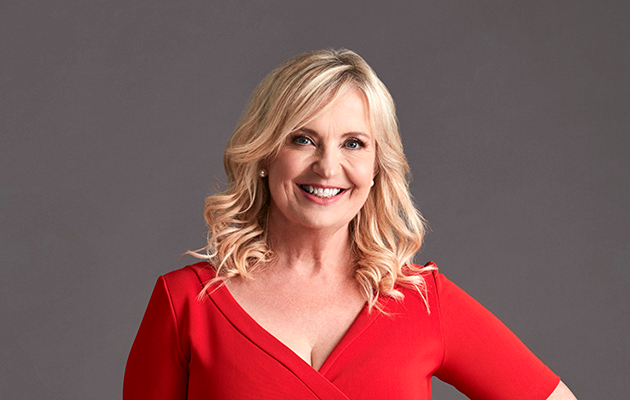
Carol Kirkwood Leaves the BBC After 28 Years: A Farewell to a Familiar Face
After nearly three decades of early mornings, live broadcasts, and trusted forecasts, Carol Kirkwood has officially stepped away from the BBC. On April 1, 2026, the long-standing weather presenter delivered her final forecast, closing a chapter that has defined much of British morning television.
For viewers of BBC Breakfast, Kirkwood’s departure is more than a routine staffing change. It represents the loss of a familiar presence—someone who has been part of daily routines for millions across the UK.
Her exit was confirmed earlier in the year, but the emotional weight of the moment became fully apparent as she signed off for the last time, bringing an end to a 28-year career with the broadcaster.

A Career Built on Consistency and Trust
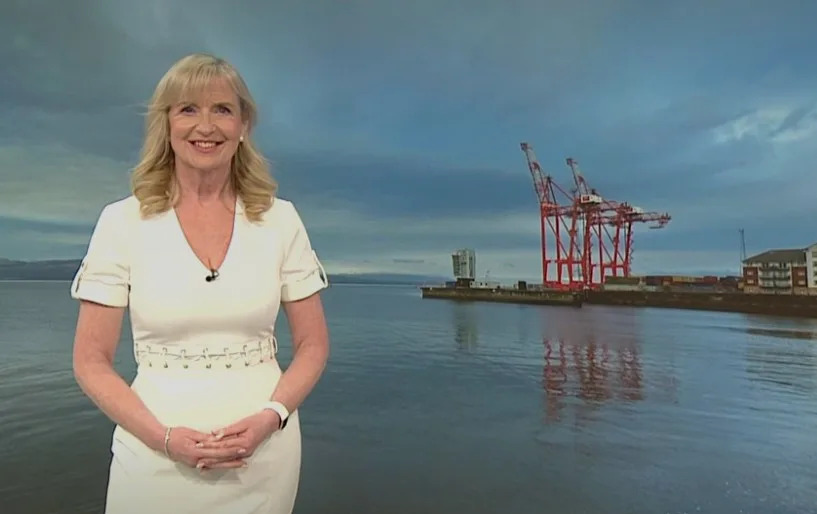
Kirkwood joined the BBC Weather Centre in 1998, steadily building her reputation as one of the most recognisable weather presenters in British media. By 2010, she had become the main weather presenter on BBC Breakfast, a role that cemented her place in households nationwide.
Over the years, her presentation style—calm, warm, and reliable—helped define how audiences engaged with weather broadcasting. Her ability to maintain composure during live television, regardless of conditions or breaking developments, made her a trusted figure in an often unpredictable news environment.


Colleagues consistently described her professionalism and personality in similar terms: “sunny, kind, generous,” and “a joy to work with.” These qualities contributed not only to her on-screen success but also to a strong internal reputation within the BBC.
The Decision to Leave: “Not an Easy One”
Kirkwood’s departure was not abrupt. In January 2026, she announced her intention to leave, acknowledging the emotional difficulty of stepping away from a role she had held for decades.
She described the decision as “not an easy one,” reflecting the deep connection she had developed with both her colleagues and her audience.
During her final appearance, she addressed viewers directly with a message that captured both gratitude and transition:
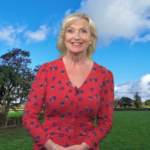
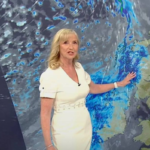
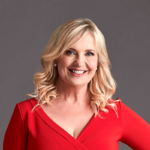
“As for what comes next, well for once I don’t have a detailed forecast but I do know this – it’s time for a new chapter. Thank you for letting me be a part of your lives.”
This statement, delivered at the end of her last broadcast, underscored the significance of her departure—not just professionally, but personally.
Why She Is Leaving the BBC
At the center of Kirkwood’s decision is a shift in priorities. After years of demanding early schedules, she has chosen to focus more on her personal life, particularly her relationship with her husband, Steve Randall.
She explained that their lifestyles had often been out of sync due to her early morning work commitments, describing them as “ships that pass in the night.”
Looking ahead, Kirkwood plans to spend more time with her husband and pursue travel. She has expressed interest in exploring Europe, potentially traveling by camper van or car and “cross over to France and just drive.”
This transition reflects a broader theme common among long-serving broadcasters: the eventual desire to rebalance life after years of public-facing work.
A Personal Journey Behind the Public Persona
While Kirkwood maintained a consistently upbeat presence on screen, her personal life has included significant challenges. She previously spoke about the emotional impact of her divorce from her first husband, noting that “it’s always sad when that happens.”
Despite these experiences, she continued to deliver a composed and positive on-screen performance, often compartmentalising personal difficulties to maintain professionalism.
Her remarriage in 2023 marked a new chapter, one she now intends to prioritise more fully as she steps away from broadcasting.
The Reaction: Colleagues and Viewers Respond
The response to Kirkwood’s departure has been marked by widespread appreciation. Fellow presenters and former colleagues shared messages highlighting her character and contributions.
Many emphasised her consistency—not just as a broadcaster, but as a person. One colleague noted that she was “the same lovely person you see on the telly” in real life, reinforcing the authenticity that audiences had come to value.
On her final broadcast, BBC Breakfast hosts Sally Nugent and Jon Kay publicly thanked her, describing her as “perfect”—a concise but telling tribute to her long-standing impact.
The Cultural Significance of Her Departure
Kirkwood’s exit highlights a broader shift within traditional broadcast media. Long-serving presenters often become institutional figures, bridging generational audiences and providing continuity in a rapidly evolving media landscape.
Her departure raises questions about succession, audience loyalty, and how broadcasters maintain trust when familiar faces leave.
For many viewers, morning television is as much about routine as it is about information. Losing a presenter who has been part of that routine for decades can alter how audiences connect with a programme.
What Comes Next for BBC Breakfast
With Kirkwood stepping down, BBC Breakfast faces the challenge of maintaining its established tone while introducing new talent. While the programme continues to evolve, replacing a presenter with nearly three decades of experience is not straightforward.
The transition will likely involve a combination of continuity—retaining the programme’s structure—and adaptation, as new presenters bring different styles and approaches.
For the BBC, this moment reflects both an ending and a recalibration.
A Closing Chapter That Feels Personal
Carol Kirkwood’s departure is not framed by controversy or abrupt change. Instead, it is defined by timing, reflection, and intention.
After 28 years, she leaves behind a career marked by reliability, professionalism, and a strong connection with audiences. Her final message—expressing gratitude and acknowledging a new chapter—captures the tone of her exit: measured, sincere, and forward-looking.
For viewers, her absence will be noticeable. For Kirkwood, it signals the beginning of a different pace of life—one shaped less by studio schedules and more by personal choice.