Carl Carlton Net Worth, Relationships, Age/Birthdate & Birthday
Overview of Carl Carlton — net worth, relationships, age/birthdate, and birthday.
 loveness92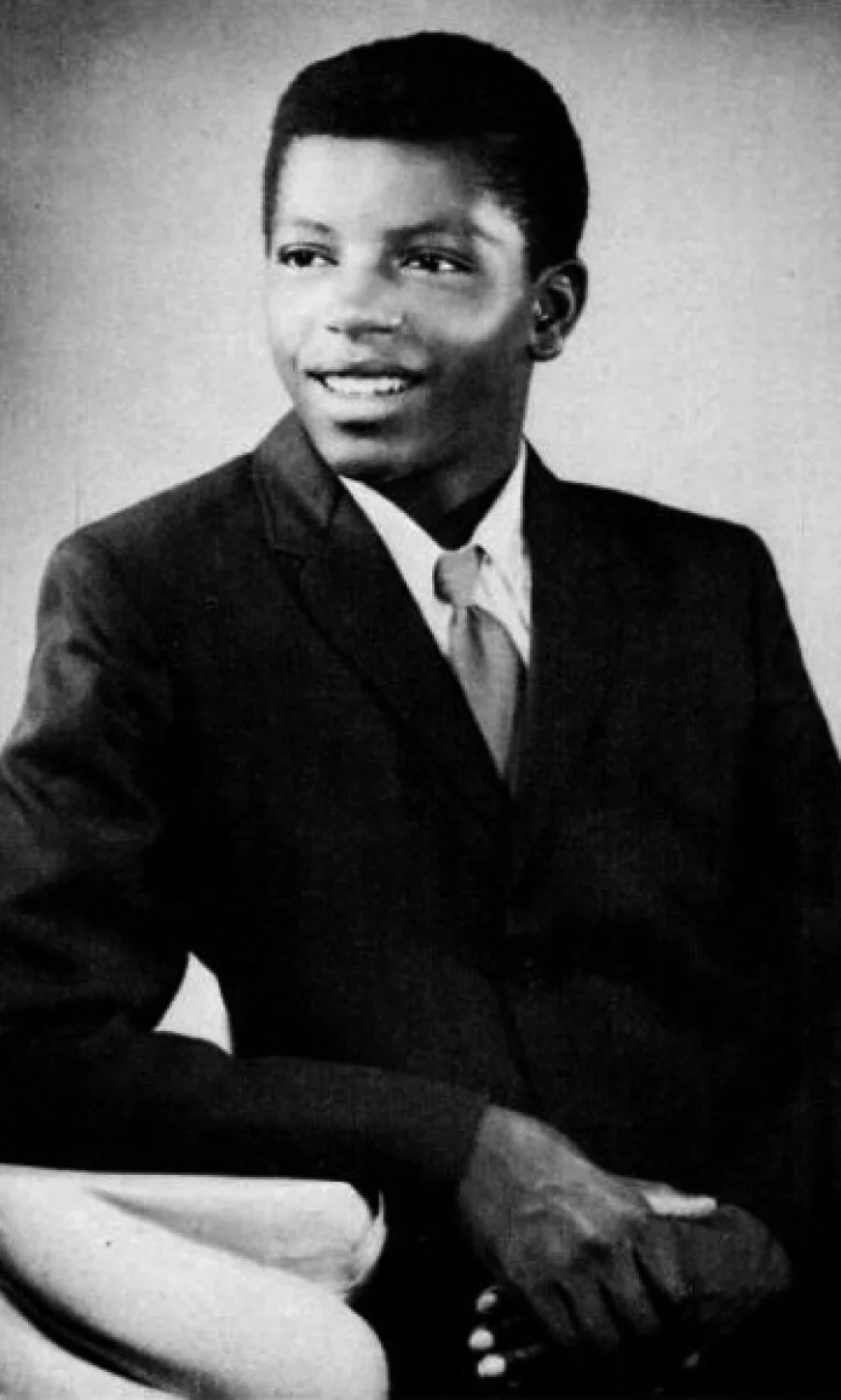
The Soul Story of Carl Carlton
From church choirs in Detroit to funk-fueled dance floors worldwide, Carl Carlton’s journey is a testament to enduring talent and reinvention. Below is a deep dive into his life story — including his birthdate and birthday, relationships, net worth estimates, and the career milestones that define his legacy.
A Voice Born in Detroit: Birthdate and Early Spark
Carl Carlton was born on May 21, 1953 — a detail many biographies agree on.
Growing up in Detroit, a city pulsating with soul, gospel, and rhythm & blues, Carlton found his calling early. As a child, he sang in church choirs. By his early teens, he adopted the moniker “Little Carl Carlton,” tapping into a sound and style that would later define a generation.
He began recording as early as 1964 on Lando Records — under “Little Carl.” Those first tracks, though modest, hinted at his vocal promise.
From Local Clubs to International Charts: Rise to Stardom
In the late 1960s, Carlton caught the attention of label executive Don D. Robey, who signed him to his Back Beat label. The transition marked a new chapter as he moved to Houston and began releasing singles such as “Competition Ain’t Nothing.”
However, it was 1974’s cover of Everlasting Love that truly thrust Carlton into mainstream success. The single surged to No. 6 on the U.S. Billboard Hot 100 and No. 11 on the R&B chart, anchoring a breakthrough that many hoped would be just the start.
The big follow-up arrived in 1981 with She's a Bad Mama Jama (She's Built, She's Stacked). Written by Leon Haywood, the track went to No. 2 on the soul (R&B) chart, earned Carlton a Grammy nomination (Best R&B Vocal Performance, Male), and cemented his reputation as a funk-soul powerhouse.
The self-titled 1981 album “Carl Carlton” went gold — a validation of his artistry and commercial appeal.
Beyond the Hits: Longevity, Later Work, and Resilience
While the momentum slowed after the mid-80s — with less chart success — Carlton never retreated fully. Albums like The Bad C.C. (1982) and Private Property (1985) demonstrated his commitment to evolving the sound.
After a long hiatus, he resurfaced in 1994 with Main Event, and later, in 2010, with a gospel-infused single, God Is Good — reflecting personal and spiritual growth.
He even joined fellow R&B legends for a 2002 performance on the PBS program “American Soundtrack: Rhythm, Love and Soul.” His rendition of “Everlasting Love” was featured on the accompanying live album released in 2004.
Carlton’s resilience extends beyond music: in 2019 he faced a health scare — reportedly a mild stroke — but fans and industry alike rallied, underscoring the respect and love he commands after decades in the business.
Behind the Music: Personal Life and Relationships
Unlike many artists of his stature, Carl Carlton has kept his personal life relatively private. Public records do not offer much about his romantic relationships, marital status, or children.
Some fan-oriented sources mention that Carlton has been “married to a longtime partner,” but concede that “no public details” are available.
In short: while he remains a prominent musical figure, he intentionally maintains distance between his public persona and private life.
What Could Be His Worth? — Net Worth and Legacy
Estimating a musician’s net worth — especially one whose peak predates social media and digital streaming — is tricky. Publicly available figures vary:
-
One widely cited estimate places Carl Carlton’s net worth around US$4 million.
-
Other more recent biographies (2025) suggest a significantly higher figure, around US$10 million, citing decades of royalties, touring, songwriting, and licensing as income sources.
Regardless of the exact number, what seems indisputable is that his enduring hits — particularly “Everlasting Love” and “She’s a Bad Mama Jama” — continue to generate revenue through airplay, sampling, and inclusion on compilations. That musical longevity likely underpins a comfortable lifestyle and sustained legacy.
Why Carl Carlton Matters: Influence and Cultural Footprint
Carl Carlton’s impact goes beyond chart positions. In many ways, he represents a bridge:
-
A connection from church-rooted gospel and soul traditions in Detroit to mainstream R&B/funk success in the 1970s and 1980s.
-
An artist who proved that youthful talent — as “Little Carl” — could evolve into maturity and lasting artistry.
-
A musician whose songs have stood the test of time: decades later, “Everlasting Love” remains a disco-era classic, while “She’s a Bad Mama Jama” continues appearing in movies, TV, sampling, and “best of” collections.
Moreover, his ability to adapt — moving into gospel, continuing to perform and record long after his commercial peak — speaks to a dedication to craft, not just fame.
The Man Behind the Music: Birthday, Birthdate and Quiet Resolve
Every May 21 — his birthday — offers fans a moment to reflect not just on nostalgia, but on the enduring power of Carlton’s music. His birthdate anchors him in a generation that shaped soul, funk, and R&B.
Despite decades in the spotlight, he has chosen to keep certain aspects of his life private. That discretion underscores a focus on music over celebrity, substance over spectacle.
In an industry often defined by reinvention, scandal, and churning trends, Carl Carlton’s story is quiet but bold — rooted in talent, sustained by authenticity, and proven by time.