Capleton Net Worth, Relationships, Age/Birthdate & Birthday
Overview of Capleton — net worth, relationships, age/birthdate, and birthday.
 loveness92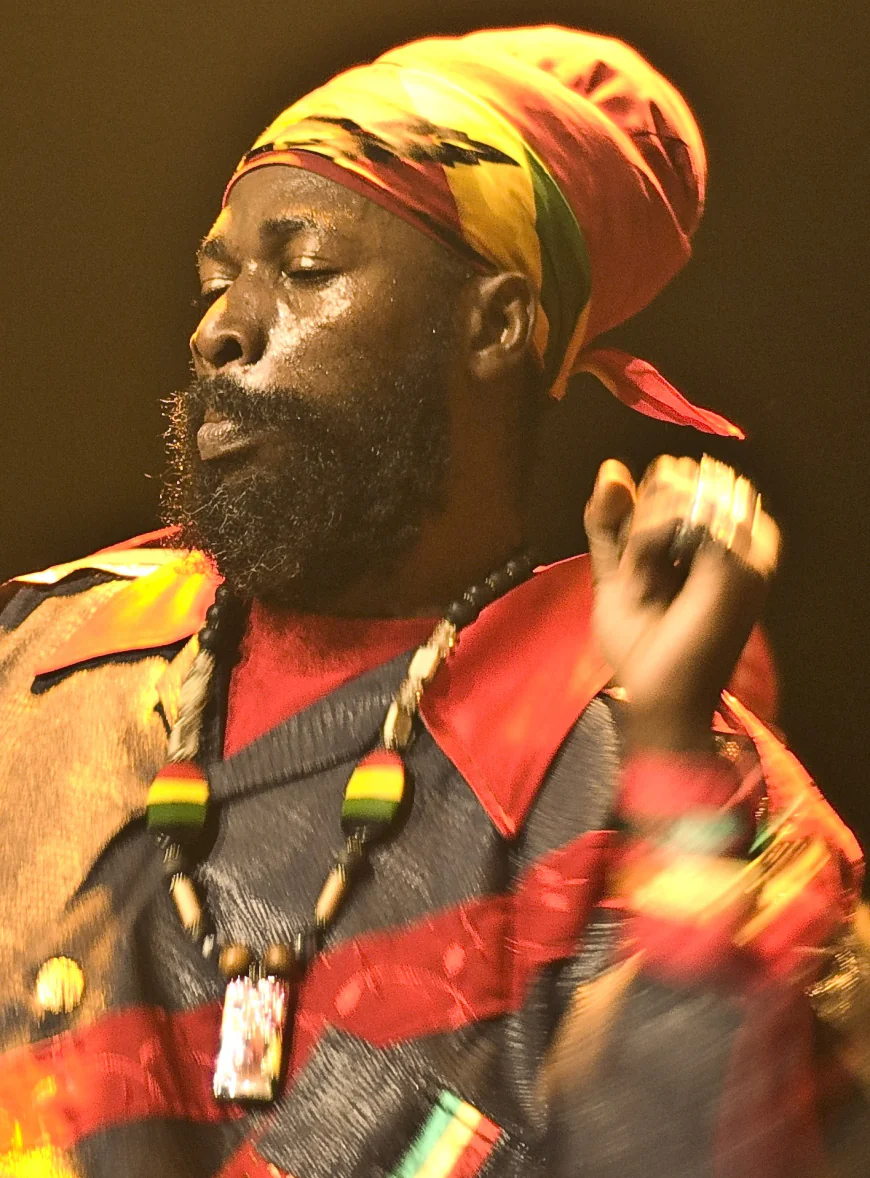
The Fireman’s Flame: The Life and Legacy of Capleton
A Name Forged in Fire and Spirit
Born Clifton George Bailey III on April 13, 1967, in the rural hamlet of Islington, St. Mary, Jamaica, the man later known as Capleton began life far from the global stages he would eventually command.
As a youth, Capleton earned his stage name simply because a respected lawyer in St. Mary shared the surname — a playful recognition of the young Clifton’s knack for verbal acuity. Yet, over time, he would evolve beyond that nickname, adopting monikers like “King Shango,” “The Fireman,” and “The Prophet,” reflecting his deepening Rastafarian faith and spiritual identity.
His birthday — April 13 — now resonates with fans worldwide as a celebration of not just a man but a movement that blended dancehall’s energy with reggae’s roots.
From Humble Parish to Global Sound Systems
Capleton’s musical ambitions began early. As a boy in St. Mary, he often sneaked out to hear local sound-system shows. Music resonated with him deeply. By age 18, he moved to Kingston to chase his dream of becoming a deejay.
His big break came in 1989, when Toronto-based sound system/label owner Stewart Brown invited him to perform in Canada alongside established names such as Ninjaman and Flourgon. That exposure helped launch what would become a decades-long career.
The early 1990s saw Capleton release tracks like “Bumbo Red,” “Number One Pon the Look Good Chart,” and “Lotion Man,” songs that — though raw and sometimes controversial — showcased his dynamic voice and lyrical skill.
But around 1992–1993, his sound and message began to shift significantly. With the release of “Alms House,” and later conscious tracks like “Cold Blooded Murderer” and “Prophet,” Capleton turned toward message-driven music rooted in spirituality, justice, and Rastafari teachings.
When Fire Meets Faith: Defining Albums and Global Reach
Capleton’s work struck a balance between dancehall energy and reggae’s conscious spirit — a combination that distinguished him among peers like Buju Banton and Sizzla.
In 1995, he signed with major label Def Jam Recordings and released the album Prophecy, followed by I-Testament in 1997. These albums blended dancehall’s rhythm and reggae’s rhythmical roots with broader audiences beyond Jamaica.
The turn of the millennium brought some of his most celebrated work: More Fire (2000) and Still Blazin’ (2002) featured hits such as “Who Dem?” “Jah Jah City,” and “Good in Her Clothes.” These tracks anchored Capleton’s reputation not just as a dancehall force, but as a voice of conscious resistance and cultural pride.
Over decades, he maintained impressive output — his discography spans more than 20 albums between the early 1990s and 2010.
Artistry, Beliefs, and Controversy — All in the Same Breath
Capleton’s transformation into a Rastafarian artist gave his music new depth. He often wove themes of spirituality, African identity, social justice, and personal righteousness into his songs — using the metaphor of “fire” as purification, resistance, and rebirth rather than literal violence.
That said, his career hasn’t been free of controversy. Some of his lyrics have been criticized as homophobic, leading to concert cancellations — particularly in Europe and the United States — amid global pressure. Capleton has defended his work, arguing the words are metaphoric and rooted in his religious convictions.
Still, many fans and critics respect him for staying true to his convictions, even when that meant sacrificing broader commercial appeal. His legacy isn’t just in charts — it’s in the generations of listeners who found solace, strength, and identity in his music.
The Man Behind the Mic: Family, Privacy, and Legacy
Despite public attention, Capleton has largely kept his personal life private. Recent reporting indicates that he embraces family-life away from the spotlight. In November 2023, he spoke publicly about his openness to marriage, describing it as “a good commitment for a man and a woman who are in love.”
That same report noted that at a thanksgiving service for his late former manager, he appeared with a significant other — suggesting that, while silent on details, he maintains relationships outside music.
Moreover, in late 2023 he shared his joy about becoming a grandfather for the first time after his son’s partner gave birth — a milestone that underscores his role now as patriarch of a growing family.
Public records do not confirm widely his exact number of children, or full marital history; consistent with his personal discretion, much remains unverified. Many sources simply note his “private” status regarding relationships or avoid naming his partner(s).
What’s the Price of Fire? – Net Worth and Financial Footing
Estimating the net worth of artists with decades-long careers — especially in genres like reggae and dancehall — is notoriously difficult. According to one public-facing valuation, Capleton’s net worth stands at approximately US $100,000.
That said, such figures must be treated cautiously. The source itself admits that its calculations are based on available public information and may omit private assets, unreported earnings from tours, royalties, and other sources.
Given Capleton’s long career, international touring history, and enduring popularity — especially within diasporic reggae and dancehall communities — his actual financial position could differ significantly from public estimations.
The Fire Still Burns: Capleton’s Ongoing Influence
More than 35 years since his first break, Capleton remains an enduring pillar of reggae and dancehall. His blend of spiritual consciousness and dancehall fire helped reorient the genre toward roots-inspired messages — and inspired countless artists to follow that path.
His influence goes beyond music. As a cultural figure, Capleton embodies a narrative of transformation — from a young boy sneaking into sound-system shows in rural St. Mary, to a global reggae icon whose calls for justice, faith, and identity continue to resonate across generations and geographies.
Whether you know him as “The Fireman,” “King Shango,” or simply Capleton, his story remains one of passion, conviction, and artistic resilience — a story that still isn’t finished.