



Burna Boy and the Battle for Ownership: Inside the Legal Storm Shaping Afrobeats’ Future
Introduction: When Global Success Meets Legal Complexity
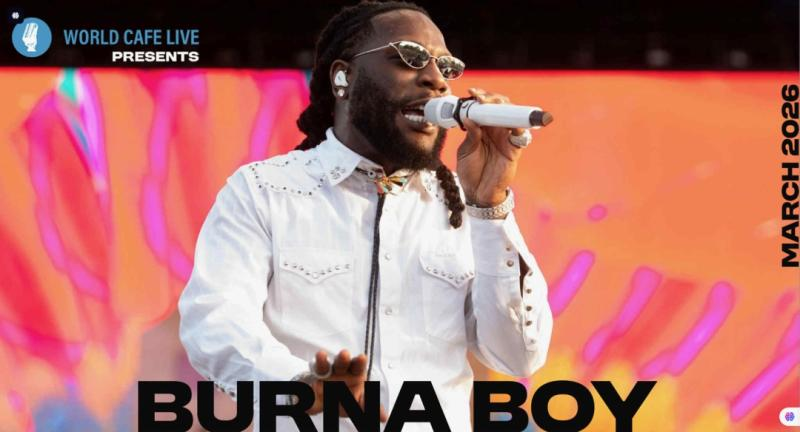
Few artists have defined the global rise of Afrobeats like Burna Boy. From Lagos to London, his music has become synonymous with African cultural influence on the world stage. But in 2026, the narrative around the Grammy-winning star is no longer just about chart-topping hits and sold-out tours—it is increasingly about ownership, control, and a high-stakes legal dispute that could reshape the African music business.
- Introduction: When Global Success Meets Legal Complexity
- The Origins of the Dispute: A Catalogue Under Question
- Warner Music Group’s Position: Silence Under Scrutiny
- Legal Escalation: Civil and Criminal Proceedings
- What’s Really at Stake: More Than Just Music
- A Broader Industry Signal: Africa’s Music Economy Matures
- Burna Boy’s Position: Artist, Stakeholder, and Brand
- Possible Outcomes: What Happens Next?
- Conclusion: A Defining Moment for African Music Rights
At the center of the controversy is a growing legal confrontation involving Warner Music Group, Nigerian stakeholders, and the rights to Burna Boy’s early catalogue. What began as a contractual disagreement has evolved into a multi-layered legal battle with civil and criminal implications.
This is not merely a dispute over music rights—it is a case study in how Africa’s booming creative economy is colliding with global corporate structures.
The Origins of the Dispute: A Catalogue Under Question
The dispute traces back to mid-2024, when key intellectual property linked to Burna Boy’s early career was allegedly transferred. The albums in question—L.I.F.E (2013) and Redemption (2016)—are not just early works; they are foundational records that helped establish his identity and global appeal.
At the center of the controversy:
-
Aristokrat Records, Burna Boy’s former label
-
Spaceship Music Limited, co-owned by the artist and his mother Bose Ogulu
-
960 Music Limited, holding a 40% equity stake in Aristokrat
According to 960 Music, the transfer of master recordings and intellectual property to Spaceship Music occurred without their knowledge or consent. This lack of shareholder approval forms the core of their legal challenge.


Their objective is clear:
to have the transaction nullified and recover proceeds generated from the alleged sale.
Warner Music Group’s Position: Silence Under Scrutiny
The situation escalated significantly when Creative Legal—representing 960 Music—issued a formal demand to Warner Music Group.
Warner’s role stems from its position as distributor for Spaceship Music. As such, it is directly involved in:
-
Distribution
-
Monetization
-
Licensing
-
Synchronization of the disputed works
Creative Legal issued a strict directive:


-
Immediately halt all commercial exploitation of the catalogue
-
Preserve all financial and royalty records
-
Confirm compliance within seven days
That deadline has now passed.
A lawyer from Creative Legal stated plainly:
“They are yet to concede to our demands.”
Warner’s lack of response has shifted the dispute from a compliance issue into a potential legal escalation.
Legal Escalation: Civil and Criminal Proceedings
The dispute is no longer theoretical—it is actively unfolding across multiple legal fronts.
Civil Proceedings
At the Federal High Court in Port Harcourt:
-
Case seeks to void the catalogue transfer
-
Plaintiffs aim to recover proceeds from the transaction
-
Warner could be added as a co-defendant
Criminal Proceedings
In Lagos:
-
Authorities are pursuing allegations of fraudulent conversion
-
Piriye Isokrari is named in proceedings
-
The case has been adjourned to April 20, 2026
This dual-track litigation—civil and criminal—raises the stakes considerably. It also signals that the dispute extends beyond corporate disagreement into potential legal liability.
What’s Really at Stake: More Than Just Music
The catalogue in question includes early breakout tracks such as:
-
“Like to Party”
-
“Tonight”
These are not dormant assets. They continue to generate revenue through:
-
Streaming platforms
-
Licensing deals
-
Publishing rights
As Burna Boy’s global profile has grown, so too has the value of these works. What might once have been considered early-stage recordings are now premium intellectual property assets with international commercial reach.
Justin Ige, managing partner at Creative Legal, emphasized a critical point:
continued distribution of the catalogue during active litigation could be viewed as interference with a live judicial matter.
This introduces legal exposure that goes beyond financial risk—it touches on compliance, governance, and judicial respect.
A Broader Industry Signal: Africa’s Music Economy Matures
This case reflects a deeper transformation within Africa’s music industry.
1. Rising Asset Value
African music catalogues are no longer local assets—they are global revenue generators.
2. Governance Expectations
Shareholder rights, transparency, and board approvals are becoming central issues, particularly as:
-
International investors enter the market
-
Global distributors partner with local labels
3. Legal Infrastructure Expansion
The presence of parallel civil and criminal proceedings indicates:
-
Increased regulatory scrutiny
-
Stronger enforcement of intellectual property rights
Burna Boy’s Position: Artist, Stakeholder, and Brand
While Burna Boy is not the direct subject of the lawsuit, he is central to its implications.
As co-owner of Spaceship Music, he represents a new generation of African artists who:
-
Retain ownership stakes in their music
-
Operate as both creators and business entities
This dual role complicates disputes like this one. It blurs the line between artist and corporate stakeholder, especially when legacy contracts intersect with newer ownership structures.
Possible Outcomes: What Happens Next?
Several scenarios are emerging:
1. Warner Joins the Lawsuit
Warner Music Group could be formally added as a co-defendant, increasing the dispute’s global visibility.
2. Distribution Suspension
A court order could halt all commercial activity tied to the disputed catalogue.
3. Financial Reconciliation
If the transaction is voided, proceeds may need to be:
-
Recalculated
-
Redistributed
4. Industry-Wide Precedent
The case could set a benchmark for:
-
Catalogue ownership disputes
-
Shareholder consent requirements
-
International distribution compliance
Conclusion: A Defining Moment for African Music Rights
This legal battle is not an isolated dispute—it is a defining moment for Africa’s creative economy.
As artists like Burna Boy continue to dominate global charts, the structures behind their success are being tested. Questions of ownership, consent, and corporate responsibility are moving to the forefront.
For the industry, the implications are clear:
-
Growth brings scrutiny
-
Global partnerships demand stronger governance
-
Intellectual property is now one of Africa’s most valuable exports
The outcome of this dispute will likely resonate far beyond one artist or one catalogue. It may help determine how African music is owned, managed, and monetized in the years ahead.