




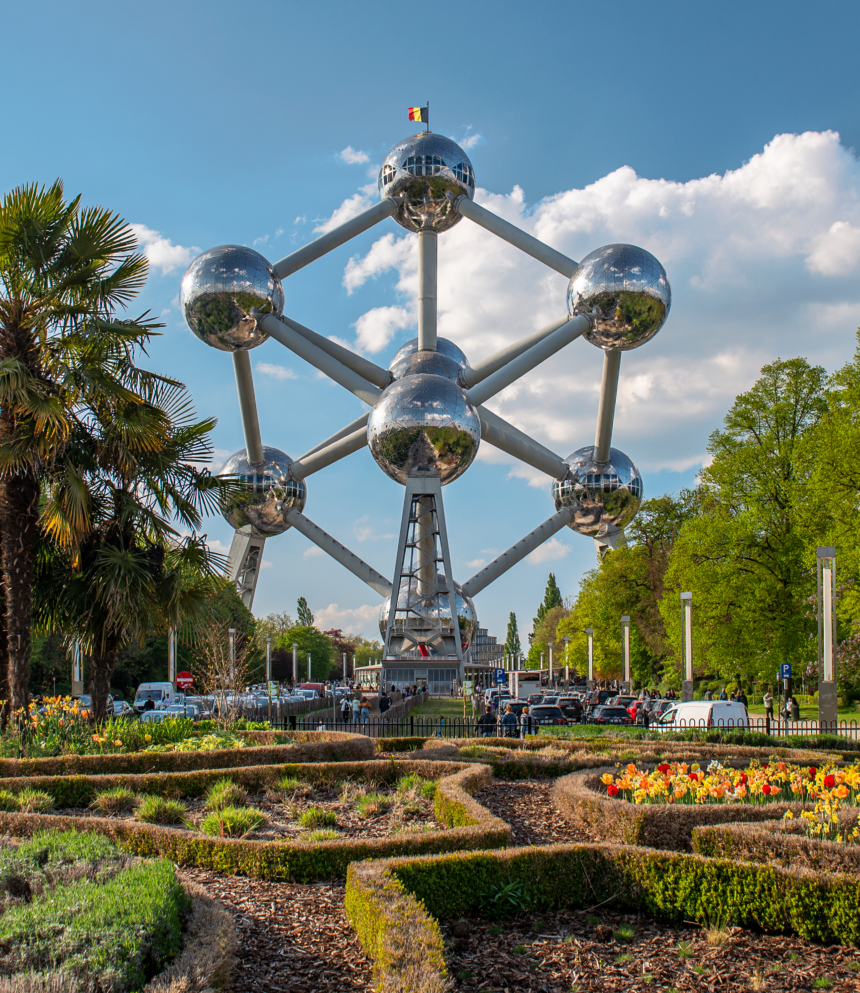
Brussels at the Crossroads: Power, Culture, and Crisis in Europe’s Capital
Brussels is often described in shorthand—as the political heart of Europe, the capital of Belgium, or a city famous for chocolate and waffles. But recent developments reveal a more complex reality. Today, Brussels is simultaneously a center of global diplomacy, a hub of economic and technological debate, and a city navigating shifting cultural and tourism trends.
From aviation incidents in its airspace to debates over energy security and digital sovereignty, Brussels is not just a location—it is a stage where Europe’s most pressing challenges unfold.
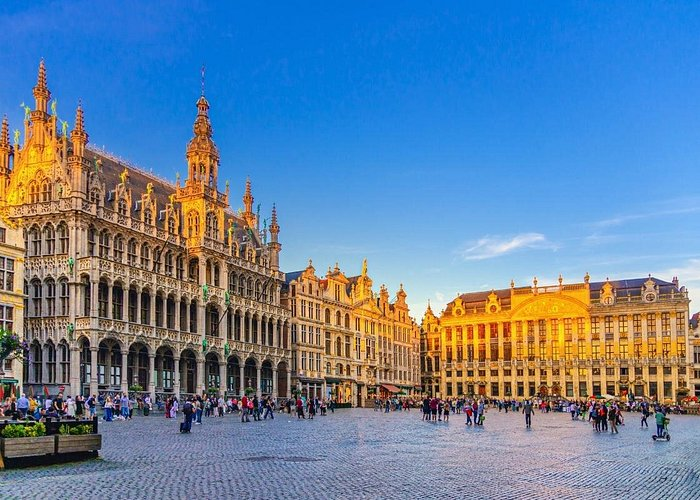
A City Defined by Influence
As the de facto capital of the European Union, Brussels hosts major institutions including the European Commission, the European Parliament, and the Council of the European Union. Decisions made here ripple across continents, shaping policies on technology, energy, trade, and security.



Recent developments underscore this influence. European policymakers are currently grappling with the concept of “tech sovereignty,” a strategic effort to reduce reliance on foreign—particularly American—technology systems. However, business leaders have warned that such a transition could be costly and disruptive, given how deeply integrated U.S. technology is in European operations.
This tension reflects a broader dilemma: balancing independence with competitiveness in a globalized economy.


Brussels and the New Energy Reality
Brussels has also become a focal point in Europe’s response to a mounting energy crisis. Following geopolitical tensions in the Gulf, European leaders have issued unusually direct guidance to citizens and governments alike.
Energy Commissioner Dan Jørgensen described the situation as a “very serious” one, warning that even if conflicts ended immediately, “we will not go back to normal in the foreseeable future.”
Policy recommendations emerging from Brussels include:
- Working from home where possible
- Reducing travel and fuel consumption
- Expanding renewable energy infrastructure
- Encouraging public transport and car-sharing
These measures signal a structural shift in how Europe approaches energy consumption, with Brussels leading the coordination effort across member states.


Political Tensions and Strategic Uncertainty
Beyond energy, Brussels is deeply involved in geopolitical negotiations—particularly those linked to the war in Ukraine and its economic consequences.
A recent diplomatic impasse over the Druzhba oil pipeline illustrates the complexity of these challenges. EU officials and national governments remain divided over Ukraine’s decision to delay an inspection mission, creating tension among member states dependent on energy flows.
“We don’t have a clear picture of what the Ukrainian play here is,” one EU diplomat noted, highlighting the uncertainty within Brussels’ policy circles.
This situation has broader implications:
- Hungary has blocked a €90 billion EU loan in response
- Energy supply concerns are intensifying across Central Europe
- The EU’s sanctions strategy faces new obstacles
Brussels, in this context, is less a unified voice and more a negotiation arena where competing priorities collide.
A City in the Sky: Aviation Incident Near Brussels
While Brussels dominates headlines in politics, it also plays a critical role in European aviation networks. That importance was highlighted on April 6, 2026, when a Swiss International Airlines Airbus A320neo diverted to Brussels after a suspected cabin fire indication.
The aircraft, operating flight LX-325 from London Heathrow to Zurich, was cruising at 35,000 feet when the crew reported a possible fire. The plane landed safely in Brussels approximately 20 minutes later.
According to reports:
- The issue was traced to an unusual odour from the forward galley
- Emergency services were on standby upon landing
- Passengers disembarked normally and were accommodated in hotels
- The aircraft remained in Brussels for inspection hours after landing
The safe outcome underscores Brussels’ role as a critical emergency diversion hub within European airspace, capable of handling high-risk situations efficiently.
Cultural Identity: Chocolate, Tourism, and Competition
Despite its political prominence, Brussels has long cultivated a global reputation for culture—particularly chocolate. However, recent tourism research suggests a shift in perception.
A 2026 study ranked Turin as Europe’s “chocolate capital,” surpassing traditional leaders like Brussels and Paris.
While Brussels remains synonymous with pralines and historic chocolatiers, it failed to place in the top 10 destinations for chocolate tourism.
This reflects changing travel behavior:
- Tourists are seeking niche, experience-driven destinations
- Smaller cities with strong local traditions are gaining attention
- Demand for food-focused travel continues to rise
Brussels still holds cultural weight, but it faces increasing competition in areas once considered its defining strengths.
The Broader Implications for Europe
Taken together, these developments paint a clear picture: Brussels is not static. It is evolving in response to external pressures and internal contradictions.
Key themes shaping its future include:
1. Strategic Autonomy vs Global Integration
Efforts to reduce reliance on foreign technology highlight Europe’s desire for independence—but also expose structural dependencies.
2. Energy Transition and Behavioral Change
Policy guidance from Brussels is pushing both governments and citizens toward long-term shifts in energy use.
3. Geopolitical Complexity
From Ukraine to global conflicts, Brussels must navigate competing interests while maintaining cohesion among member states.
4. Cultural Repositioning
Even in tourism, Brussels faces the need to adapt to changing consumer preferences and emerging competitors.
Conclusion: Brussels as Europe’s Living Nerve Center
Brussels remains one of the most consequential cities in the world—not because of its size or population, but because of its function.
It is where decisions are debated, crises are managed, and Europe’s future is continuously negotiated. Whether responding to an aviation emergency, shaping energy policy, or redefining its cultural identity, Brussels operates as a dynamic system rather than a fixed entity.
In 2026, the city stands at a crossroads—balancing tradition with transformation, influence with uncertainty. What happens in Brussels increasingly defines not just Europe, but the global landscape as well.