



Bragantino vs Flamengo: A Tactical Breakdown of a Statement Victory
Introduction: A Night That Shifted Momentum
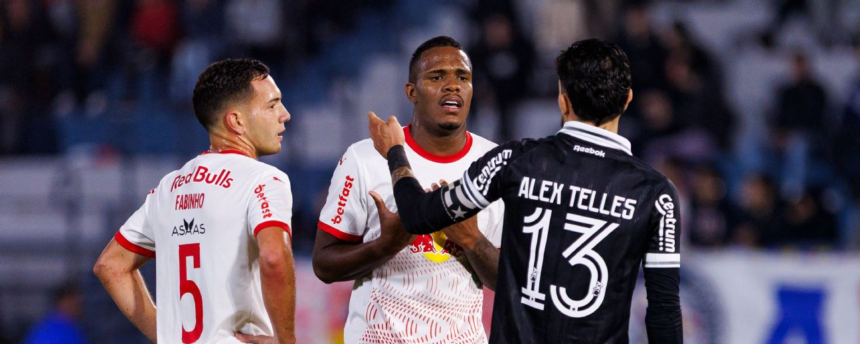
In a result that quickly captured attention across Brazilian football, Red Bull Bragantino delivered a commanding 3–0 victory over Flamengo, handing manager Leonardo Jardim his first defeat in charge of Flamengo.
- Introduction: A Night That Shifted Momentum
- Early Control: Bragantino Dictate the Tempo
- Precision Over Possession: Flamengo’s Tactical Limitation
- Turning Point: The Red Card That Changed Everything
- Clinical Execution: Bragantino Seal the Victory
- The Role of Agustín Rossi: Preventing a Heavier Defeat
- Tactical Assessment: Why Bragantino Outperformed Flamengo
- Implications for Flamengo Under Leonardo Jardim
- What This Means for Bragantino
- Broader Context: Early Season Signals in Série A
- Conclusion: A Result That Resonates Beyond the Scoreline
The match, played in the context of the Campeonato Brasileiro Série A, was more than just a scoreline. It exposed structural gaps, highlighted tactical execution, and underscored the importance of discipline at the highest level of the game.
Early Control: Bragantino Dictate the Tempo
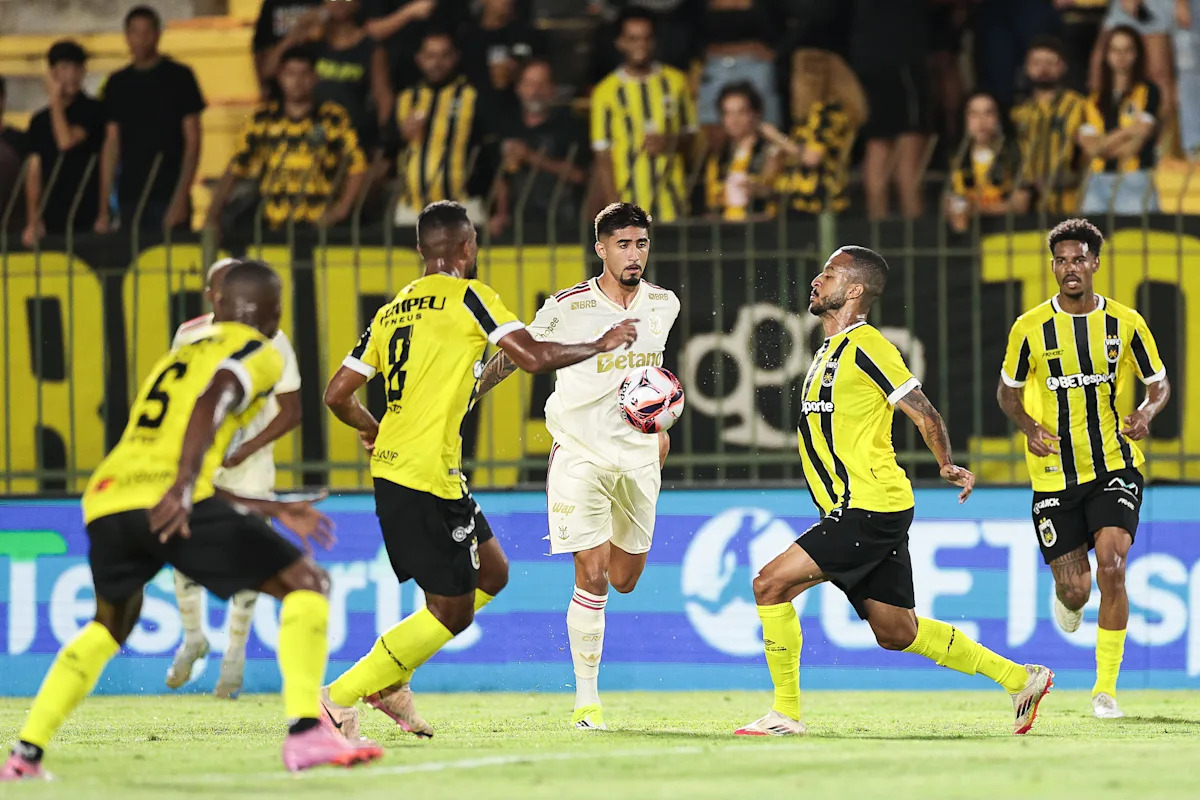
From the opening minutes, Bragantino asserted themselves as the more cohesive and purposeful side. While Flamengo managed to hold a larger share of possession during the early stages, their control of the ball lacked penetration and creativity.



Bragantino, in contrast, demonstrated clarity in their attacking transitions. Their approach was efficient—direct passing, intelligent positioning, and calculated exploitation of space.
The breakthrough came in the 18th minute through Isidro Pitta. His finish—a looping effort over goalkeeper Agustín Rossi—set the tone for what would follow.

Precision Over Possession: Flamengo’s Tactical Limitation
Despite enjoying phases of possession, Flamengo struggled to convert control into meaningful opportunities. Under Jardim, the team showed intent but lacked the sharpness required in the final third.
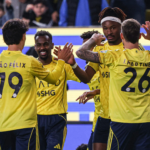
Bragantino capitalized on this inefficiency. Before halftime, Gabriel Novaes extended the lead with a technically impressive strike from outside the box. The goal originated from a short corner routine, reflecting Bragantino’s preparation and set-piece intelligence.
At 2–0, the match had already begun to tilt decisively.
Turning Point: The Red Card That Changed Everything
If Flamengo had any realistic chance of mounting a comeback, it evaporated early in the second half.



Erick Pulgar was sent off after forcefully catching José Herrera in the face. The dismissal left Flamengo with ten men for nearly the entire second half.
Numerically disadvantaged, Flamengo’s structure collapsed further. Defensive gaps widened, pressing intensity dropped, and Bragantino gained even greater control over the tempo.
This moment was not just a disciplinary issue—it was a strategic collapse that removed any remaining balance from Flamengo’s system.
Clinical Execution: Bragantino Seal the Victory
Bragantino wasted little time in exploiting their advantage.
A few minutes after the red card, Lucas Barbosa scored the third goal with a well-timed header from a corner. The sequence highlighted two recurring themes of the match:
- Flamengo’s vulnerability in defensive organization
- Bragantino’s efficiency in set-piece situations
At 3–0, the contest was effectively decided.
The Role of Agustín Rossi: Preventing a Heavier Defeat
While the scoreline was already emphatic, it could have been significantly worse for Flamengo.
Goalkeeper Agustín Rossi emerged as one of the few positives for the visitors. His interventions prevented additional goals and maintained a degree of respectability in the final result.
Without Rossi’s performance, the margin could have reflected an even more dominant display.
Tactical Assessment: Why Bragantino Outperformed Flamengo
1. Structural Discipline
Bragantino maintained shape both offensively and defensively. Their compactness allowed them to transition quickly and limit Flamengo’s attacking options.
2. Set-Piece Superiority
Two of the three goals involved structured play—either directly or indirectly—from dead-ball situations. This reflects preparation and execution at a high level.
3. Efficiency in Final Third
While Flamengo controlled possession, Bragantino controlled outcomes. Their finishing was decisive and opportunistic.
4. Exploiting Numerical Advantage
After the red card, Bragantino adjusted intelligently, stretching the pitch and forcing Flamengo into reactive defending.
Implications for Flamengo Under Leonardo Jardim
This defeat carries broader significance beyond the immediate result.
For Leonardo Jardim, it represents a critical early test. After an unbeaten start, this match exposed areas requiring urgent attention:
- Lack of attacking creativity despite possession dominance
- Vulnerability to counterattacks and set pieces
- Discipline issues affecting match control
The challenge now lies in how quickly Flamengo can adapt. Early setbacks often define managerial tenures—not by their occurrence, but by the response that follows.
What This Means for Bragantino
For Red Bull Bragantino, the victory is both a confidence boost and a statement of intent.
Beating a high-profile opponent like Flamengo in such dominant fashion reinforces their tactical identity and competitive potential within the league.
Key takeaways for Bragantino include:
- Validation of their structured, high-efficiency approach
- Growing belief in their ability to compete with top-tier teams
- Momentum that could influence upcoming fixtures
Broader Context: Early Season Signals in Série A
In the broader landscape of the Campeonato Brasileiro Série A, results like this often serve as early indicators.
While it is too soon to draw definitive conclusions, several trends emerge:
- Tactical discipline is proving more decisive than possession statistics
- Teams capable of capitalizing on key moments are gaining early advantages
- Managerial transitions, like Flamengo’s under Jardim, require time to stabilize
Conclusion: A Result That Resonates Beyond the Scoreline
Bragantino’s 3–0 win over Flamengo was not just a victory—it was a demonstration of tactical clarity, efficiency, and discipline.
For Flamengo, the defeat highlights areas that demand immediate correction. For Bragantino, it reinforces their growing status as a tactically mature and competitive side.
Matches like these often shape narratives early in the season. Whether this becomes a turning point or a temporary setback will depend on how both teams respond in the weeks ahead.