


Brady Ebert Songs: The Sound, Legacy, and Controversy Behind a Hardcore Guitarist
Introduction: Why “Brady Ebert Songs” Still Matter
For fans of modern hardcore and alternative music, the phrase “Brady Ebert songs” immediately evokes the raw, high-energy sound that helped define one of the most influential bands of the 2010s—Turnstile. As a founding guitarist, Ebert played a central role in shaping the band’s sonic identity, blending hardcore aggression with melodic experimentation.
However, in recent years, discussions around Ebert have shifted dramatically. While his musical contributions remain significant, his legacy is now intertwined with serious legal developments that have overshadowed his artistic career. This dual narrative—creative influence and personal controversy—makes his body of work both impactful and complex to examine.
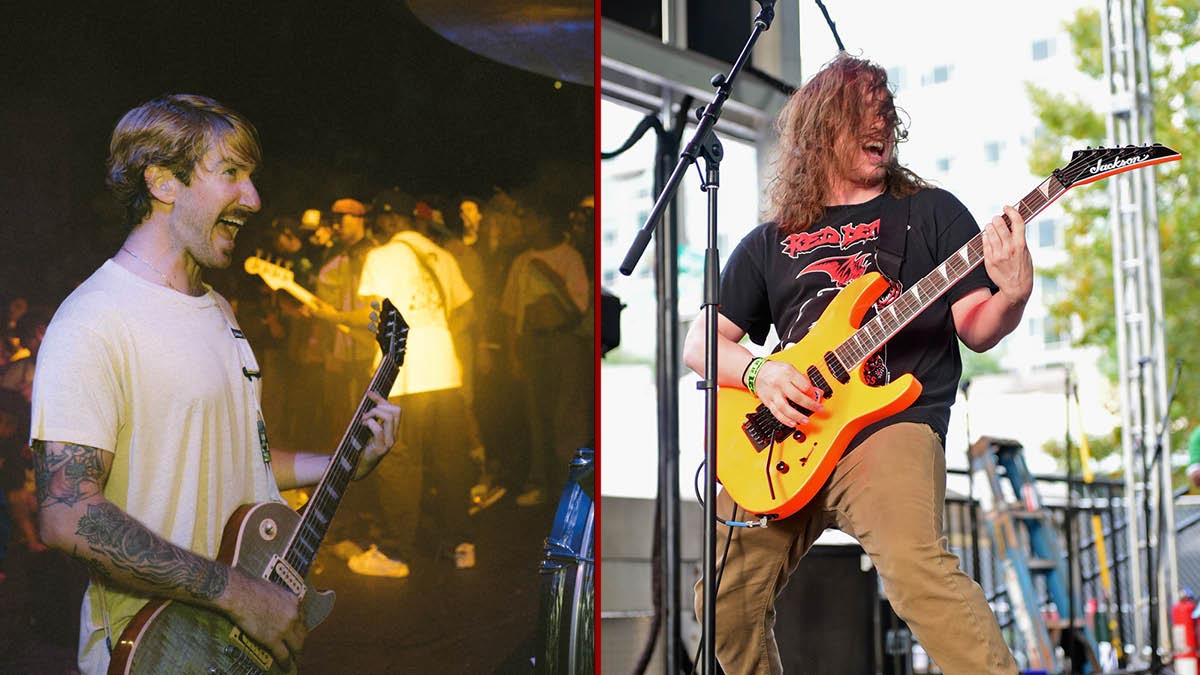
The Architect of Turnstile’s Early Sound
Founding Years (2010–2022)
Brady Ebert co-founded Turnstile in 2010, helping establish the Baltimore-based band as a rising force in the hardcore punk scene. Over the next decade, the group gained critical acclaim for pushing genre boundaries, incorporating elements of funk, alternative rock, and even dream-pop into their sound.
Ebert’s guitar work was central to this evolution. Rather than relying solely on traditional hardcore riffs, his playing often introduced:
- Melodic layering
- Rhythmic experimentation
- Dynamic tonal shifts
These elements contributed to Turnstile’s crossover appeal, attracting audiences beyond the hardcore community.
Defining Characteristics of Brady Ebert Songs
While no official solo catalog defines “Brady Ebert songs,” his contributions to Turnstile tracks reveal a distinct musical signature.
1. High-Energy Riff Structures
Ebert’s playing often emphasized fast, punchy riffs typical of hardcore, but with added complexity and groove.
2. Genre Fusion
Turnstile’s music—shaped heavily by Ebert—blurred genre lines. Songs frequently incorporated:
- Funk-inspired bass interplay
- Atmospheric guitar textures
- Alternative rock influences
3. Emotional Contrast
A hallmark of Ebert’s style was contrast—switching between aggressive bursts and melodic passages within the same track.
The Turning Point: Departure from Turnstile
In 2022, Turnstile announced that Brady Ebert was no longer part of the band. The split was not presented as a routine lineup change.
According to the band, the decision followed:
“a consistent pattern of harmful behavior affecting himself, the band, and the community.”
The group also indicated that tensions had escalated over time, eventually leading to a complete separation. Ebert was replaced by guitarist Meg Mills, who later became an official member in 2025.
This marked a pivotal moment—not just for the band, but for how fans began to view Ebert’s contributions.
Controversy Overshadows the Music
Legal Developments in 2026
In 2026, Brady Ebert became the subject of major legal scrutiny following a serious incident in Maryland.
Authorities allege that on March 29, Ebert drove to the home of William Yates, the 79-year-old father of Turnstile vocalist Brendan Yates, and struck him with a vehicle, causing severe injuries.
The case escalated significantly:
- Initially charged with attempted second-degree murder and first-degree assault
- Later upgraded to attempted first-degree murder, which carries the possibility of a life sentence
Additional charges include:
- Attempted second-degree murder
- First-degree assault
- Two counts of second-degree assault
The distinction between first- and second-degree attempted murder centers on premeditation, making the upgraded charge particularly serious.
Ebert has denied wrongdoing, stating:
“This is pure self-defense. They’re the attackers.”
He is currently being held without bail and is scheduled to appear in court on May 8.
The Human Impact Behind the Headlines
The alleged victim, William Yates, suffered severe physical trauma, including injuries to his lower extremities. Reports indicate he required surgery but survived the incident.
In a poignant contrast, Yates had previously appeared in a video introducing Turnstile at Coachella, warmly describing the band:
“I’m Bill Yates, I’m the proud father of Brendan. They’re all sons of mine.”
This juxtaposition—between a supportive family figure and the later incident—has deeply affected fans and the broader music community.
Reassessing Brady Ebert’s Musical Legacy
The controversy has forced a reevaluation of Ebert’s place in modern hardcore music.
What Remains Undeniable
Despite recent developments, several facts remain clear:
- Ebert was instrumental in shaping Turnstile’s early sound
- His guitar work contributed to the band’s critical and commercial success
- His influence helped push hardcore into mainstream visibility
What Has Changed
However, public perception has shifted dramatically:
- His legacy is now inseparable from legal and personal controversies
- Fans and critics face a dilemma: separating art from artist
- Turnstile has moved forward without him, continuing to evolve musically
The Broader Cultural Question
Ebert’s story reflects a recurring issue in music and entertainment:
How should audiences engage with art created by individuals facing serious allegations?
This question has no simple answer. Some listeners continue to appreciate the music independently of the artist, while others feel that personal conduct cannot be ignored.
In Ebert’s case, the severity of the charges—potentially leading to life imprisonment—makes this debate particularly intense.
Conclusion: A Complex Legacy in Motion
“Brady Ebert songs” are no longer just about music—they represent a complicated intersection of artistic innovation and personal controversy.
On one hand, his contributions to Turnstile helped redefine hardcore music for a new generation. On the other, his current legal situation has cast a long shadow over that legacy.
As the case progresses, the conversation surrounding Brady Ebert will likely continue to evolve. For now, his story stands as both a testament to creative influence and a cautionary tale about how quickly a legacy can change.


