



Zimbabwe vs Botswana Live: A One-Sided Friendly That Told a Bigger Story
Full-Time Snapshot: Zimbabwe Take Control Early
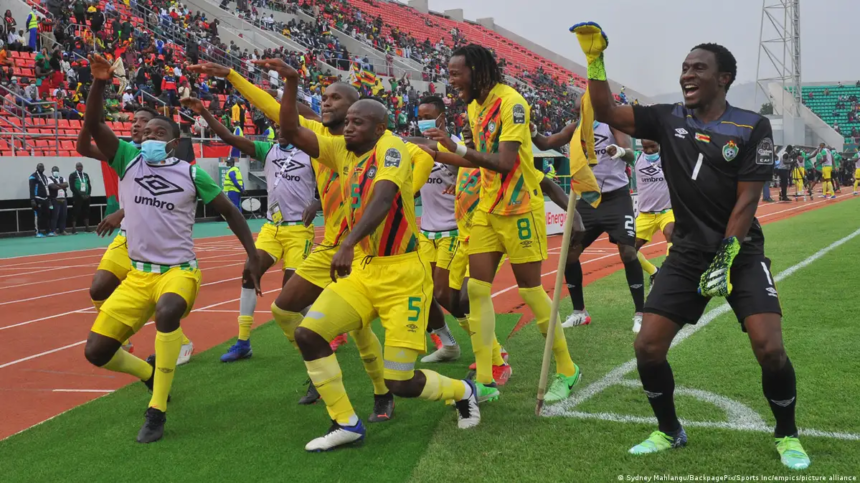
The international friendly between Botswana national football team and Zimbabwe national football team delivered a clear outcome long before the final whistle. Played on March 28, 2026, at Obed Itani Chilume Stadium, the match ended in a decisive 0–3 victory for Zimbabwe in the Friendlies 2026 competition.
- Full-Time Snapshot: Zimbabwe Take Control Early
- First-Half Timeline: Clinical Finishing Defines the Game
- Second Half: Control Over Chaos
- Tactical Observations: Efficiency vs Missed Opportunities
- Match Context: More Than Just a Friendly
- Broader Implications for African Football
- Conclusion: A Result That Signals Direction
From the opening phase, Zimbabwe imposed structure, tempo, and attacking precision, effectively settling the contest within the first 45 minutes.
First-Half Timeline: Clinical Finishing Defines the Game
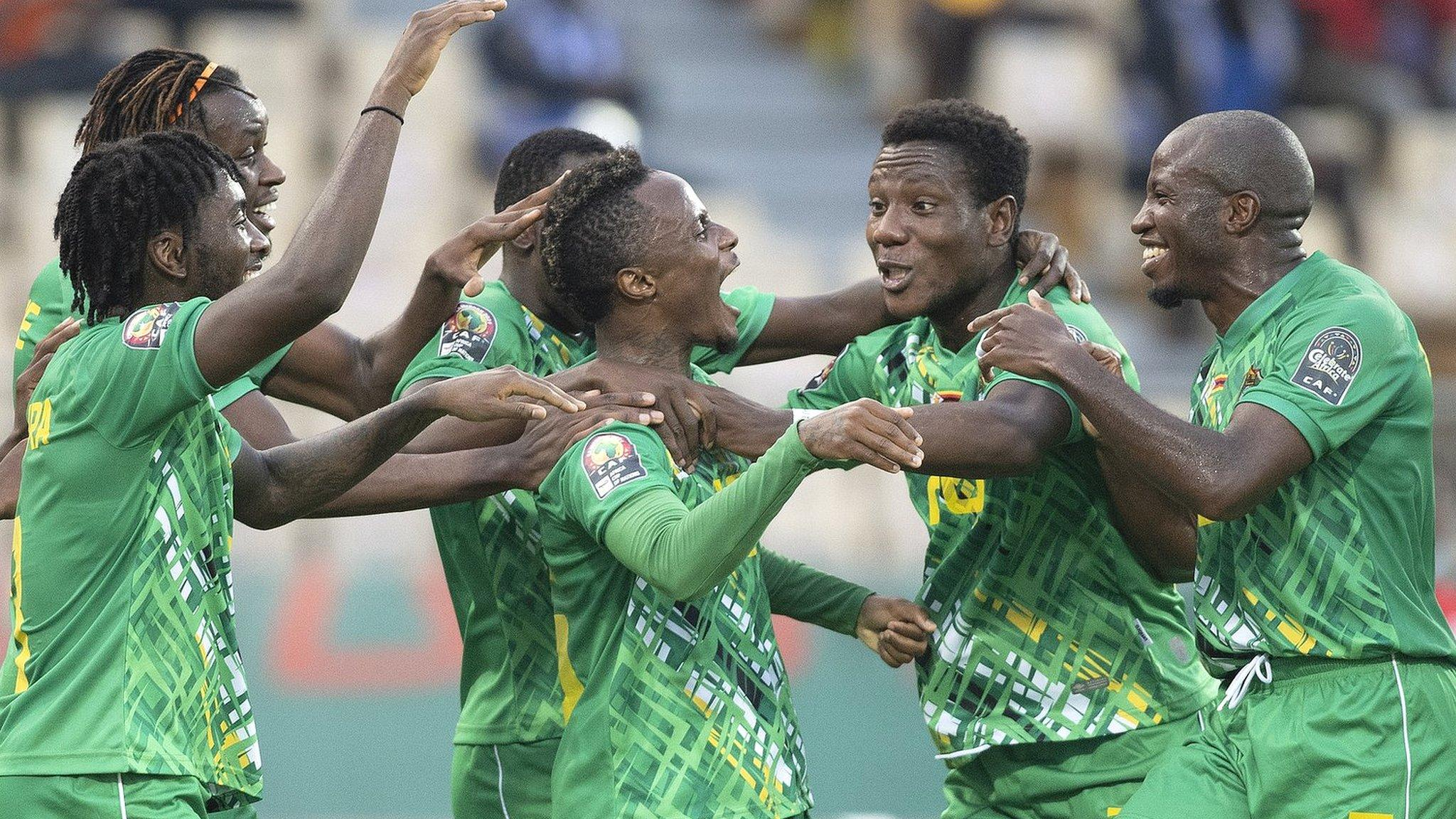
Zimbabwe’s dominance was not gradual—it was immediate and efficient. The first half produced all three goals, reflecting a well-organized attacking system and Botswana’s defensive vulnerability.



Key Moments
- 24’ — 0–1: T. Mongameli opened the scoring, giving Zimbabwe early control
- 33’ — 0–2: M. Bonne extended the lead with a composed finish
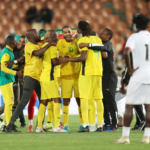
- 45’ — 0–3: B. Antonio added a third just before halftime
By the break, the scoreline stood at 0–3, effectively deciding the outcome.
The sequence highlights a recurring pattern: Zimbabwe capitalized on momentum windows, while Botswana struggled to reset defensively between phases.

Second Half: Control Over Chaos
The second half did not produce additional goals, but it reinforced Zimbabwe’s control.
Botswana’s most notable moment came in the 64th minute, when E. Ookame missed a penalty, a missed opportunity that could have shifted momentum or at least restored some pride on the scoreboard.
Instead, Zimbabwe maintained defensive discipline, ensuring a clean sheet and preserving their three-goal advantage.
Tactical Observations: Efficiency vs Missed Opportunities
Zimbabwe’s Approach
Zimbabwe’s performance can be characterized by:



- Early pressing and quick transitions
- High conversion rate in the first half
- Defensive composure in the second half
They demonstrated a balanced structure—aggressive enough to secure goals early, but controlled enough to manage the remainder of the match.
Botswana’s Challenges
Botswana, by contrast, faced several issues:
- Difficulty containing early attacking pressure
- Limited attacking breakthroughs
- Failure to capitalize on key moments, including the missed penalty
The inability to respond after conceding early goals proved decisive.
Match Context: More Than Just a Friendly
While categorized as an international friendly, matches like these serve deeper purposes for national teams.
For Zimbabwe:
- Reinforces squad cohesion ahead of competitive fixtures
- Builds confidence following mixed regional performances
- Provides opportunities to test attacking combinations
For Botswana:
- Highlights structural gaps that require attention
- Offers a reality check against stronger opposition
- Creates a baseline for tactical adjustments
Recent regional football narratives—particularly in competitions like the CAF Africa Cup of Nations—have shown both teams competing against stronger African sides, making friendlies like this essential for recalibration.
Broader Implications for African Football
This result aligns with a wider pattern in African international football, where mid-tier national teams are increasingly using friendlies to:
- Experiment with lineups
- Build depth
- Improve tactical discipline
Zimbabwe’s performance suggests upward momentum in attacking organization, while Botswana’s result underscores the importance of defensive resilience and clinical finishing.
Conclusion: A Result That Signals Direction
The 0–3 victory for Zimbabwe was not just a scoreline—it was a statement of intent.
Zimbabwe demonstrated efficiency, structure, and composure, particularly in the decisive first half. Botswana, meanwhile, showed moments of potential but lacked execution in critical phases.
As both teams look ahead to future international competitions, this match serves as a clear reference point: one side progressing with clarity, the other facing necessary adjustments.