



Bob Dylan AI: Reinvention in the Age of Artificial Storytelling
A New Chapter for a Relentless Innovator
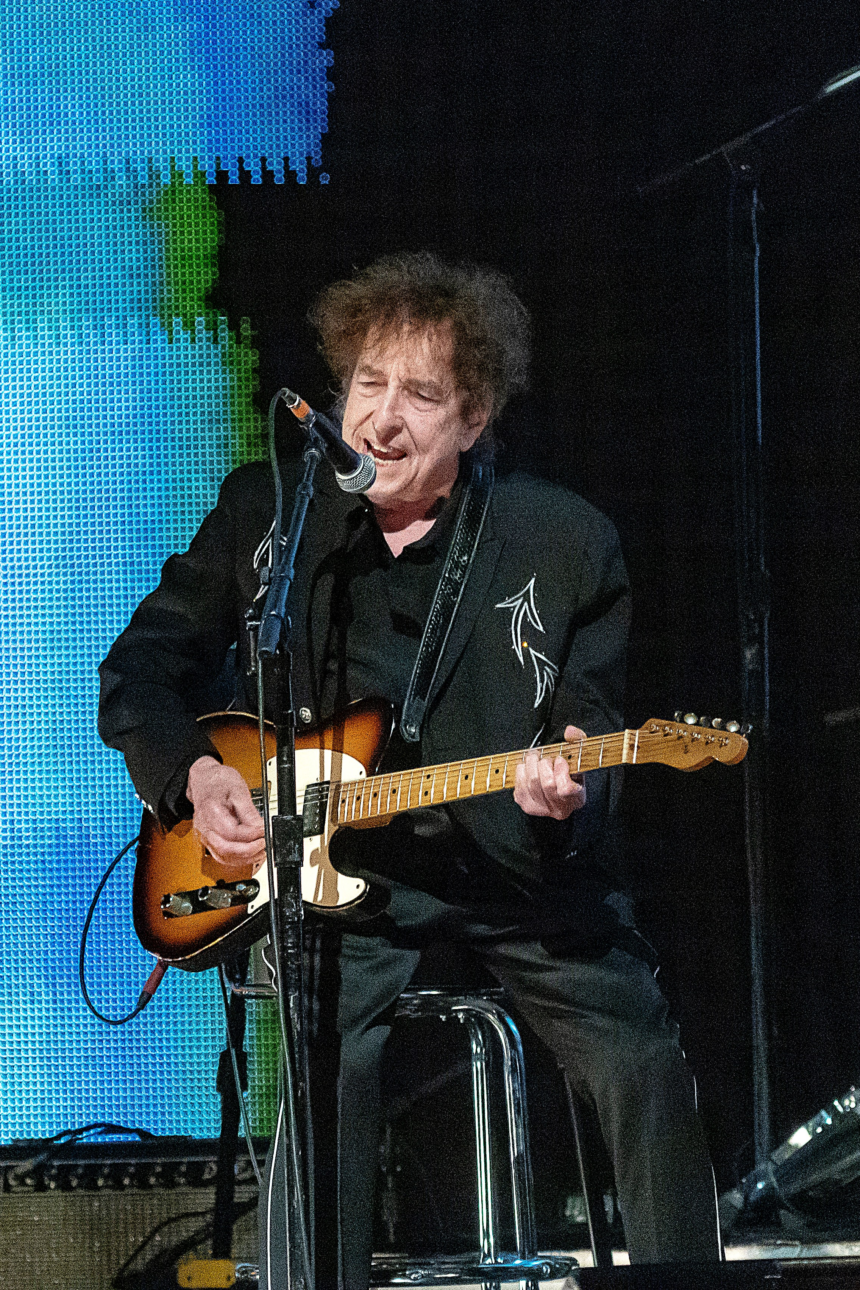
At 84, Bob Dylan has once again altered the trajectory of his career—this time by stepping into the evolving intersection of artificial intelligence and storytelling. Known for decades of reinvention, the Nobel Prize-winning songwriter has launched a cryptic new project on Patreon, signaling a shift not just in distribution but in creative methodology.
- A New Chapter for a Relentless Innovator
- “Lectures From the Grave”: Inside the Patreon Experiment
- Fiction, History, and AI Blur Together
- Authorship in Question: “Curated by Bob Dylan”
- Continuity with Dylan’s Creative DNA
- Why Patreon—and Why Now?
- AI and Legacy: A Cultural Turning Point
- What Comes Next?
- Conclusion: Reinvention Without Resolution
The initiative, titled “Lectures From the Grave,” introduces a blend of historical fiction, archival references, and audio essays—many of which appear to be enhanced or generated through AI tools. The result is a project that feels at once literary, experimental, and deliberately ambiguous.
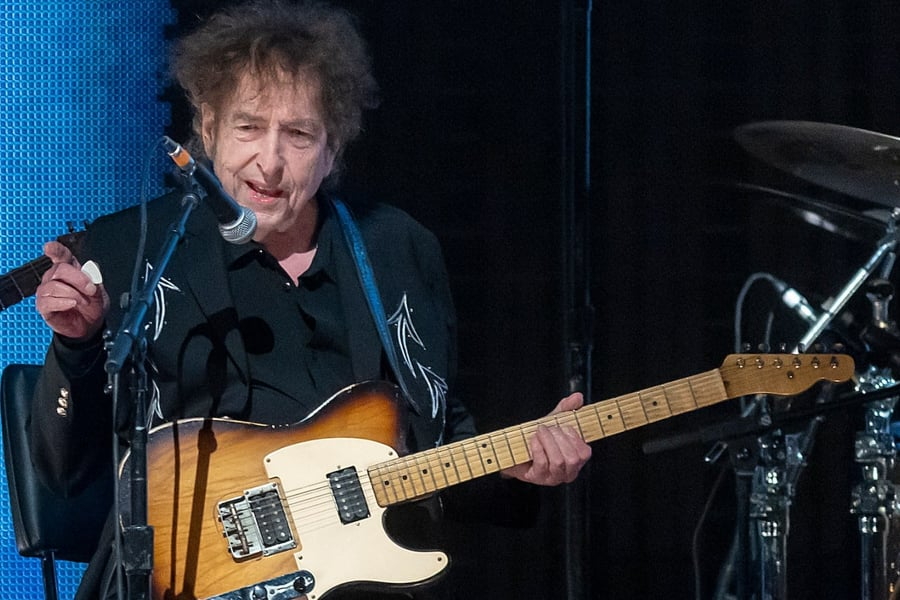
As Dylan prepares for a series of California performances, including stops at Thunder Valley Casino Resort and Berkeley’s Greek Theatre, this digital venture has sparked widespread intrigue across both music and technology circles.



“Lectures From the Grave”: Inside the Patreon Experiment
Dylan’s Patreon page operates on a subscription model priced at $5 per month. While Patreon is typically associated with independent creators, podcasters, and niche communities, Dylan’s entry into the platform marks a rare move by a global music icon into a space largely untouched by major rock figures.
The content itself resists easy categorization.



Subscribers encounter a mix of:
- Audio essays narrated in first person by historical figures
- Fictional correspondence between long-deceased personalities
- Archival video material, including a performance by gospel legend Mahalia Jackson
- Original short stories presented under pseudonyms
Among the featured figures are:
- Aaron Burr
- Wild Bill Hickok
- Frank James
The essays range from 15 minutes to over an hour, some narrated in voices that appear to be artificially generated, adding another layer of uncertainty around authorship and production.
Fiction, History, and AI Blur Together
One of the project’s most talked-about elements is its “Letters Never Sent” series. In a standout piece, a fictional letter attributed to Mark Twain is addressed to silent film star Rudolph Valentino.
The tone is characteristically Dylan-esque—literary, surreal, and temporally dislocated:
“Dear Mr. Valentino, I take up my pen under circumstances that would puzzle the calendar and embarrass the undertaker, for I am told that both of us have already completed the respectable business of dying… Yet if letters can cross oceans, perhaps they may also cross that lesser boundary which divides the living from the historically inconvenienced.”
The work is credited not to Dylan directly, but to a pseudonym—“Herbert Foster”—one of several fictional author identities used across the platform. Another piece, “Bull Rider,” attributed to “Marty Lombard,” reads like a dust-soaked American short story, filled with stark imagery and existential undertones.
These stylistic choices raise a central question: where does Dylan end and AI begin?
Authorship in Question: “Curated by Bob Dylan”
The Patreon page carefully avoids confirming Dylan as the direct author of the material. Instead, it describes the work as “curated by Bob Dylan,” a phrasing that has fueled speculation.
There are several indicators suggesting AI involvement:
- Audio narration that sounds computer-generated
- Visual assets, including promotional posters, that appear AI-created
- Text published under fictional bylines rather than Dylan’s name
Neither Dylan nor his representatives have publicly clarified the extent of AI usage. This silence appears deliberate, reinforcing the mystique surrounding the project.
For an artist who has long embraced ambiguity in both lyrics and public persona, the lack of clarity may itself be part of the artistic statement.
Continuity with Dylan’s Creative DNA
While the technology is new, the thematic foundation is not.
Dylan has consistently drawn from American mythology, historical figures, and narrative reinterpretation throughout his career. His 2004 memoir, Chronicles: Volume One, similarly blurred fact and storytelling, offering a nonlinear view of his life and influences.
The Patreon project extends this approach:
- Historical figures are reimagined as narrators
- Time periods collapse into a single narrative space
- Fiction and reality coexist without clear boundaries
In this context, AI becomes less a gimmick and more a tool—one that expands Dylan’s long-standing interest in myth-making and narrative experimentation.
Why Patreon—and Why Now?
Dylan’s choice of Patreon is notable. While platforms like Substack have attracted prominent writers and musicians, Patreon remains more closely tied to grassroots creators.
This raises practical and strategic questions:
- Is this a controlled environment for experimentation?
- A way to bypass traditional publishing and music distribution?
- Or simply a new medium for direct fan engagement?
Financial motivation appears unlikely. Dylan famously sold his entire music catalog to Universal Music Group in 2020 for a reported sum exceeding $300 million and continues to perform globally on his long-running tour.
Instead, the move suggests creative curiosity rather than commercial necessity.
AI and Legacy: A Cultural Turning Point
Dylan’s foray into AI-assisted storytelling arrives at a moment when the music and publishing industries are grappling with fundamental questions about authorship, originality, and creative ownership.
By blending:
- AI-generated voices
- Fictionalized historical narratives
- Anonymous or pseudonymous writing
Dylan is effectively testing the boundaries of artistic identity in the digital age.
The implications are significant:
- For artists: AI becomes a collaborator rather than a tool
- For audiences: authenticity becomes harder to define
- For the industry: traditional notions of authorship are challenged
This experiment may not provide answers—but it forces the conversation.
What Comes Next?
With only a handful of posts currently available—reportedly around six pieces and roughly 1,300 subscribers—the project is still in its early stages.
Yet its trajectory is already prompting speculation:
- Will Dylan expand into other AI-driven formats, such as video or live streaming?
- Could this evolve into a larger narrative universe or digital archive?
- Or is it a limited, experimental phase tied to his ongoing tour?
For now, the ambiguity remains intact.
Conclusion: Reinvention Without Resolution
Bob Dylan’s latest venture does not offer clarity—and that may be precisely the point.
“Lectures From the Grave” sits at the crossroads of literature, music, and machine-generated creativity. It challenges conventional expectations while remaining consistent with Dylan’s lifelong resistance to categorization.
Whether viewed as a bold artistic evolution or an opaque experiment, one conclusion is difficult to avoid: even in his ninth decade, Dylan continues to redefine not only his own work, but the boundaries of what art can be.