
Blake Lively: From Hollywood Spotlight to Legal Storm—and Back Again
A Defining Moment in 2026
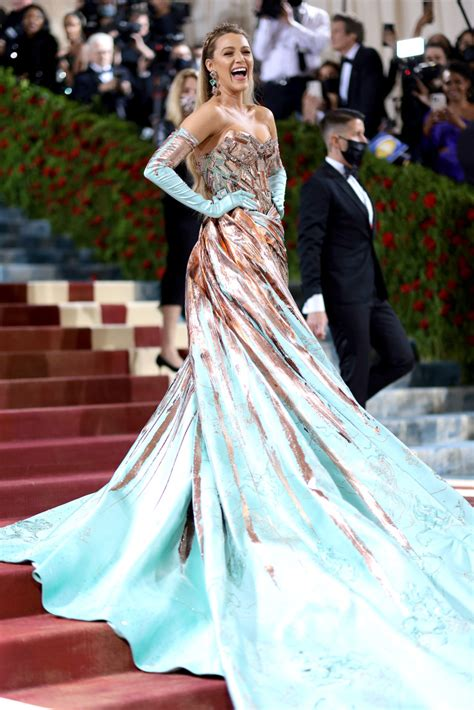
Blake Lively’s return to the public eye in May 2026 was nothing short of cinematic. Just hours after resolving a high-profile legal battle with her It Ends with Us co-star and director Justin Baldoni, the actress stepped onto the Met Gala red carpet—poised, composed, and unmistakably in control of her narrative.
The timing was striking. A years-long legal dispute that had threatened to culminate in a civil trial was suddenly brought to a close, and within hours, Lively appeared at one of fashion’s most watched global events. It was a moment that blended Hollywood drama, legal complexity, and cultural spectacle into a single headline.
The Legal Battle That Gripped Hollywood
The conflict between Lively and Baldoni began in 2024 during and after the production of It Ends with Us, a film adaptation of Colleen Hoover’s bestselling novel. Lively accused Baldoni of inappropriate on-set conduct, alleging he made sexual comments, attempted to introduce unscripted intimacy, and engaged in behavior that made her uncomfortable.
Her complaint also extended beyond personal conduct. She alleged that Baldoni and his team orchestrated a campaign to damage her reputation publicly—claims that intensified scrutiny of the entertainment industry’s power dynamics.
Baldoni denied the accusations, framing the incidents as misunderstandings or creative discussions tied to the film’s mature themes. He later filed counterclaims, including defamation and extortion allegations against Lively and her husband, Ryan Reynolds. Those claims were ultimately dismissed by a judge.
The legal proceedings became increasingly complex. Courts dismissed several allegations from both sides, narrowing the case to key issues such as retaliation, breach of contract, and aiding in retaliation.
As the trial date of May 18, 2026 approached, both parties faced the prospect of testifying publicly—an event that could have further exposed private industry practices.
Settlement Before the Spotlight
On May 5, 2026, the legal battle came to an abrupt end.
In a joint statement, both parties confirmed they had reached a settlement, avoiding what would have been a costly and highly publicized trial. The terms of the agreement were not disclosed.
“We acknowledge the process presented challenges and recognise concerns raised by Ms Lively deserved to be heard,” the statement read. “It is our sincere hope that this brings closure and allows all involved to move forward constructively and in peace.”
The resolution signaled a shift in tone—from confrontation to closure—while leaving many questions about the specifics of the dispute unanswered.
The Met Gala Appearance: Image, Identity, and Timing
Only hours after the settlement became public, Lively made an unexpected appearance at the 2026 Met Gala in New York.
Her return to fashion’s biggest night carried symbolic weight. After a period marked by legal disputes and reduced public appearances, she stepped back into the spotlight wearing an archival Atelier Versace gown inspired by 18th-century Rococo art, complete with a dramatic 13-foot train.
Notably, she attended alone, without Ryan Reynolds, and accessorized with a custom bag featuring artwork created by her children—an intimate detail that contrasted with the grandeur of the event.
The juxtaposition was powerful: a personal legal victory followed immediately by a highly public display of confidence and artistry.
The Film at the Center of the Conflict
At the heart of the dispute was It Ends with Us, a film that became a commercial success despite the controversy surrounding it.
Released in 2024, the movie grossed more than $350 million worldwide, making it one of the year’s biggest hits.
The film’s narrative—centered on domestic abuse and emotional trauma—added another layer of complexity to the situation. Both Lively and Baldoni had publicly emphasized the importance of raising awareness about survivors’ experiences.
In their joint statement, the actors reaffirmed that the film remained “a source of pride” and highlighted its broader social impact.
Industry Implications: Power, Reputation, and Accountability
The Lively–Baldoni case has sparked broader conversations within Hollywood and beyond.
Workplace Conduct in Film Production
The allegations brought renewed attention to standards of behavior on set, particularly in productions involving sensitive themes.
The Role of Public Relations
Claims of coordinated “smear campaigns” and digital reputation management highlighted the growing influence of PR strategies in shaping public perception.
Legal Protections for Performers
The case underscored the complexities of employment classification in the entertainment industry, especially when actors are considered independent contractors rather than employees.
Media and Transparency
The release of private communications during the dispute revealed how legal battles can expose the inner workings of celebrity culture and industry relationships.
A Narrative of Resilience
For Lively, the events of 2026 represent more than just the resolution of a legal case—they mark a moment of repositioning.
Her public statements throughout the ordeal emphasized the importance of speaking up about workplace conditions, even at personal cost. She described the experience as “unfathomably painful” but necessary to challenge retaliation and advocate for safer environments.
Her immediate return to a global stage suggests a deliberate effort to reclaim her public image—not as a figure defined by controversy, but as one who has navigated it.
What Comes Next?
While the settlement closes a major chapter, its long-term implications remain.
The case may influence how studios handle complaints, how actors negotiate working conditions, and how public narratives are managed during disputes. It also reinforces a broader cultural shift toward accountability and transparency in high-profile industries.
For Blake Lively, the future appears poised at the intersection of career, advocacy, and public perception. Her ability to transition from legal turmoil to cultural prominence in a single day reflects both her resilience and her enduring influence.
Conclusion
Blake Lively’s 2026 story is not just about a lawsuit or a red carpet appearance—it is about control over narrative in an era where personal and professional boundaries are constantly scrutinized.
From allegations and courtroom battles to settlement and spectacle, her journey captures the evolving dynamics of fame, power, and accountability in modern Hollywood.


