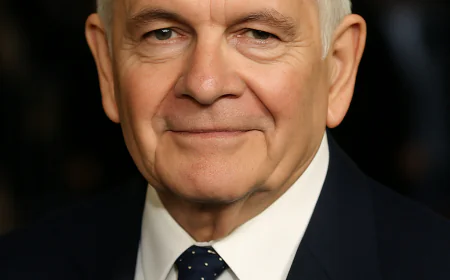
Bev Bevan Net Worth, Relationships, Age/Birthdate & Birthday
Overview of Bev Bevan — net worth, relationships, age/birthdate, and birthday.
 loveness92
Bev Bevan: The Rhythmic Architect Behind The Move and ELO
The Beat of Birmingham — Early Roots and a Drummer’s Calling
Bev Bevan was born on November 25, 1944 in Birmingham, England. Raised in South Yardley (and at times Sparkhill), he came from modest beginnings: his father — also a drummer — died when Bev was still a child. Though he attended Moseley Grammar School and even worked as a trainee buyer in a city-centre department store, music was where his passion truly lay.
From early on, Bevan gravitated toward drums — drawn to the rhythm and energy of rock and roll and British beat music. These formative influences in working-class Birmingham helped shape a self-taught, gritty drumming style rooted in feel and endurance more than formal training.
From Local Clubs to National Charts — The Rise of The Move
In 1966 Bevan joined fellow Birmingham musicians to form The Move. Under his steady drumming, The Move quickly became a force in the UK’s 1960s rock scene. Their debut single “Night of Fear” smashed into the charts, and subsequent hits — including “I Can Hear the Grass Grow” and “Flowers in the Rain” — cemented their reputation.
Notably, “Flowers in the Rain” became historic: it was the first record ever broadcast on BBC Radio 1. Through these successes, Bev Bevan emerged not as a flashy show-man but as a reliable, powerful drummer whose backbone held the band together, even as lineups shifted and rock stardom brought growing pressures.
Reinventing Rock — Co-Founding ELO and Redefining Sound
As the 1960s gave way to a new musical era, Bevan, along with Jeff Lynne and Roy Wood, co-founded Electric Light Orchestra (ELO) in 1970. Their vision: to merge rock’s energy with orchestral sweep — strings, layered production, and ambitious arrangements.
Through the 1970s and early 1980s, ELO became one of the world’s most successful rock-orchestral acts. Bevan’s drumming — steady yet flexible — provided the pulse beneath the lush arrangements. Albums like Eldorado (1974) and Out of the Blue (1977) broke new ground, while chart-topping singles and global tours turned ELO into a defining act of its era.
Despite internal change and the eventual departure of founding members, Bevan remained a constant presence — a rhythmic anchor helping ELO evolve and stay cohesive as their sound matured.
After the Glory: Reinvention, Controversy, and Legacy Preservation
When the original ELO structure ended in 1986, Bevan refused to fade away quietly. Instead, he launched ELO Part II — a project meant to continue the ELO spirit with new collaborators. The venture toured extensively through the 1990s, occasionally backed by symphonies such as the London Philharmonic and Moscow Symphony.
Tensions arose over rights to the “ELO” name between Bevan and Jeff Lynne — a dispute not uncommon when legacy bands attempt to persist. By around 2000, Bevan sold his share of the name, and the project morphed into a rebranded ensemble.
Undeterred, in 2004 he revived his earliest success by forming Bev Bevan's Move — a band dedicated to performing classics from The Move and ELO. Though he officially stepped back from large-scale touring around 2016, Bevan’s passion for performance endured, and he later contributed to new, smaller-scale projects — including a folk-rock band Quill.
Beyond live music, Bevan turned to media: hosting radio shows, writing columns reviewing music, and curating playlists — nurturing both his legacy and a love for music rooted in his Birmingham upbringing.
Life Off Stage — Relationships, Roots and Personal Passions
Bev Bevan has maintained a grounded personal life despite decades of rock stardom. His first marriage to Valerie Taylor resulted in a son, Adrian, born in 1981. Some years later, on September 1, 2022, he married Joy Brain (née Strachan), a former bandmate.
Throughout, Bevan has remained deeply connected to his roots. He is a known supporter of Wolverhampton Wanderers FC, reflecting his continued affinity for the Midlands region.
What His Fortune Says — Estimating Bev Bevan’s Net Worth
Financial assessments vary, but one widely cited estimate pegs Bev Bevan’s net worth at around US$10 million. Given his decades-long career across major bands (The Move, ELO, touring projects), songwriting royalties, live performances, and media work — that figure aligns with what one might expect for a rock veteran of his stature.
That said, net worth estimates for musicians are inherently speculative: factors like royalty agreements, touring revenue longevity, licensing, and personal investments can all swing the true figure widely.
The Quiet Power of a Backbeat — Why Bev Bevan Matters
Bev Bevan may not always stand at the front of the stage or grab headlines — but his influence is woven into rock history. As a foundational drummer for both The Move and ELO, his contributions helped shape a bridge between 1960s British beat rock and the lush, orchestral rock that defined the 1970s.
His story — from Birmingham’s postwar clubs to stadium tours and back to intimate venues and radio studios — is one of resilience, reinvention, and dedication to craft. In personal life, he remains tied to his roots, family, and community.
For fans, musicians, and music historians alike, Bev Bevan stands as a testament to the enduring power of rhythm, humility, and evolution — a drummer whose beat carried decades of change across rock’s most transformative years.