

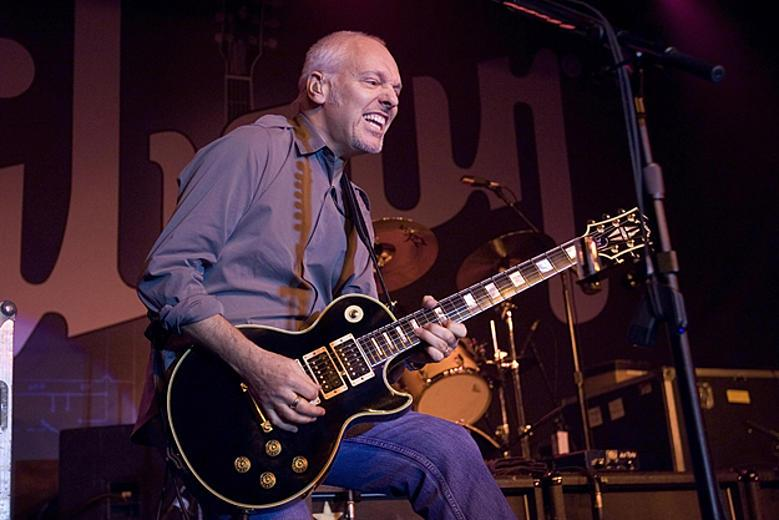
Peter Frampton Songs: A Narrative Journey Through Hits, Reinvention, and Resilience
From Guitar Prodigy to Global Icon
Peter Frampton’s songs are more than just classic rock staples—they are chapters in a decades-long story of reinvention, artistic persistence, and personal resilience. Rising from the British rock scene of the late 1960s to global superstardom in the 1970s, Frampton built a catalog that blends melodic songwriting with virtuosic guitar work.
His early musical influences—from Buddy Holly to the Shadows—shaped his approach to melody and tone, while his teenage success with bands like the Herd and Humble Pie laid the groundwork for his solo career. By the time he struck out on his own, Frampton had already earned recognition as a rising star, even being dubbed “The Face of ’68” by a British music magazine.
Yet it was his solo material—and especially his live recordings—that would define his legacy.
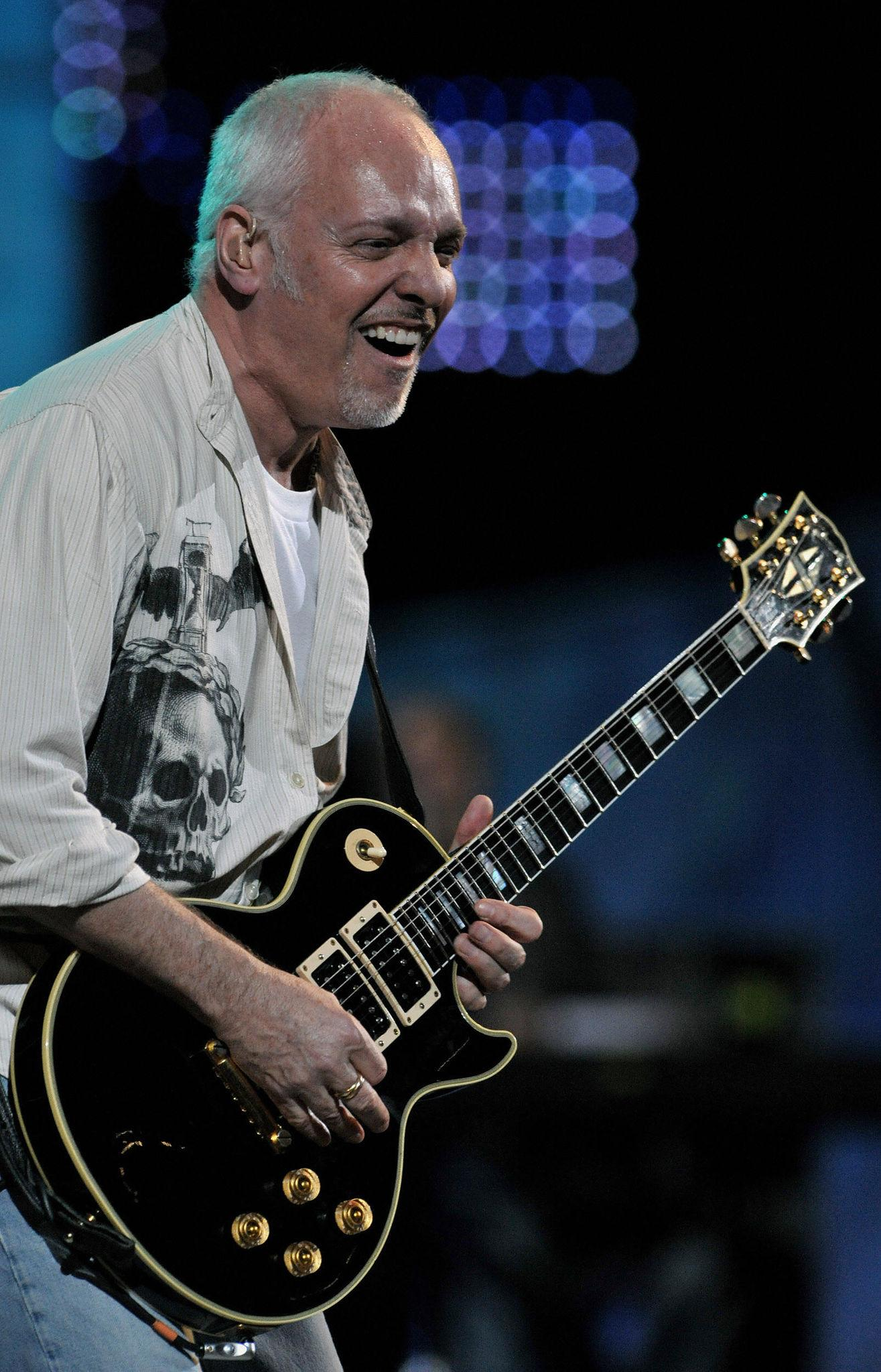
The Songs That Changed Everything
“Baby, I Love Your Way” and the Rise of a Star
Few songs capture the soft-rock warmth of the 1970s quite like “Baby, I Love Your Way.” With its acoustic-driven arrangement and heartfelt lyrics, the track showcased Frampton’s ability to connect emotionally with audiences. It remains one of his most enduring hits and a defining example of his melodic sensibility.
“Show Me the Way” and the Signature Sound
“Show Me the Way” introduced audiences to Frampton’s innovative use of the talk box, an effect that made his guitar sound as if it were singing. This track became a hallmark of his style and elevated his reputation as a guitarist who could merge technical skill with sonic experimentation.
“Do You Feel Like We Do” – A Live Experience
If one song defines Peter Frampton’s live prowess, it’s “Do You Feel Like We Do.” Its extended solos and audience interaction turned concerts into immersive experiences, solidifying his reputation as a live performer.
These songs reached their peak impact on Frampton Comes Alive! (1976), a double live album that became a cultural phenomenon. It sold more than 10 million copies worldwide and topped charts for weeks, becoming one of the best-selling live albums in history.
The Double-Edged Sword of Success
The massive success of Frampton Comes Alive! transformed Frampton into a global superstar almost overnight. However, that same success created immense pressure.
As his son Julian later reflected, the industry’s reaction was intense: “If you rush too quickly to put out that next album, and it’s not as good, you’re remembered for that.”
Subsequent albums struggled to match the impact of his breakthrough, and Frampton found himself grappling with the expectations that came with fame. His 1977 album I’m in You faced backlash despite containing strong material, highlighting how quickly public perception can shift in the music industry.
Reinvention Through the Decades
Experimentation and Evolution
Throughout the 1980s and 1990s, Frampton’s songs reflected a willingness to experiment. Albums like Breaking All the Rules and When All the Pieces Fit incorporated contemporary production styles, while later works revisited his blues roots and guitar-driven sound.
His 2006 instrumental album Fingerprints demonstrated his technical mastery, featuring collaborations with legendary musicians and earning critical acclaim.
A Return to Roots
In later years, Frampton revisited his catalog with projects like Acoustic Classics (2016), stripping down his songs to their core elements. These reinterpretations emphasized songwriting over spectacle, offering a fresh perspective on familiar material.
Songs in the Face of Adversity
One of the most compelling chapters in Frampton’s career came after his diagnosis with Inclusion Body Myositis (IBM), a degenerative muscular condition.
Rather than retreat, he accelerated his creative output.
“I’m Sorry Elle” – A Personal Reflection
Written during the pandemic for his granddaughter, “I’m Sorry Elle” reflects both personal regret and broader concerns about the world. It shows a softer, introspective side of Frampton’s songwriting, grounded in family and legacy.
“Lions at the Gate” – A Political Edge
His newer material also takes a more overtly political tone. “Lions at the Gate,” featuring Tom Morello, stands out as a protest song with a strong message. As Frampton described it: “‘Lions at the Gate’ is a powerful track with a powerful message, and Tom’s playing took it to another level.”
A New Chapter: Carry the Light
Set for release on May 15, Carry the Light marks Frampton’s first album of new songs in 16 years and represents a significant milestone in his career.
The album includes tracks such as:
- “Carry the Light”
- “Buried Treasure”
- “I’m Sorry Elle”
- “Breaking the Mold”
- “Lions at the Gate”
- “At the End of the Day”
Featuring collaborations with artists like Sheryl Crow, Graham Nash, and H.E.R., the album blends introspection with social commentary.
It is also notable for being created in collaboration with his son Julian, adding a deeply personal dimension to the project.
The Enduring Appeal of Peter Frampton Songs
What makes Peter Frampton’s songs resonate across generations is their balance of accessibility and artistry. His music combines:
- Memorable melodies
- Emotional authenticity
- Technical guitar innovation
- A willingness to evolve with time
Even as trends shifted, Frampton remained committed to his craft, continually adapting his sound while staying true to his musical identity.
As he himself reflected: “In my mind, I’m more successful than I’ve ever been — because I like myself, I like what I do.”
Looking Ahead: Legacy and Future Creativity
Despite physical challenges, Frampton continues to write, record, and experiment. He has already begun working on new material beyond Carry the Light, demonstrating that his creative drive remains undiminished.
His journey underscores a broader truth about music: great songs are not confined to a single era. They evolve alongside the artist, gaining new meaning with time.
Conclusion
Peter Frampton’s songs trace a remarkable arc—from youthful ambition and meteoric success to personal struggles and artistic renewal. Whether through iconic hits like “Show Me the Way” or deeply personal newer tracks like “I’m Sorry Elle,” his music reflects a lifetime of experience.
More than just a catalog of hits, his body of work stands as a testament to resilience, creativity, and the enduring power of song.


