Benazir Bhutto Net Worth, Relationships, Age/Birthdate & Birthday
Overview of Benazir Bhutto — net worth, relationships, age/birthdate, and birthday.
 loveness92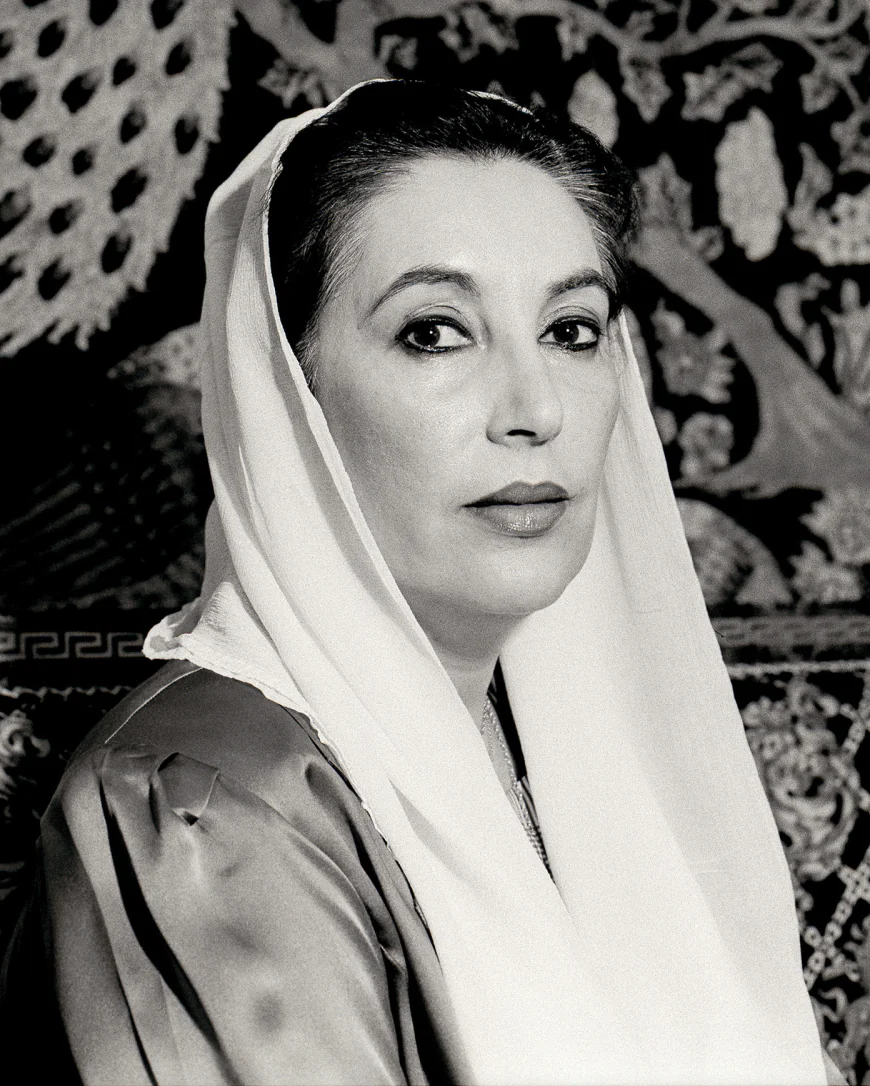
The Extraordinary Story of Benazir Bhutto — Legacy, Life, Wealth and Love
Born on June 21, 1953, in Karachi, Pakistan, Benazir Bhutto’s birthday marked the arrival of a woman destined for history. From a privileged, politically prominent family to becoming the first woman to lead a Muslim-majority nation, her journey fused ambition, grit, tragedy and enduring legacy.
A Scion of Political Heritage — Roots That Shaped a Leader
Benazir was born into the influential Bhutto family: her father Zulfikar Ali Bhutto was a former Prime Minister of Pakistan, and her mother Nusrat Bhutto was also deeply involved in politics. Educated early in private Christian-run schools in Karachi and Murree, she later moved abroad at 16 — attending Radcliffe College at Harvard University, where she earned a Bachelor of Arts in comparative government, and subsequently studying at Oxford University. At Oxford she became the first Asian woman to serve as president of the prestigious Oxford Union debating society — a sign of the trailblazing path ahead.
Yet her return to Pakistan in 1977 coincided with dramatic political upheaval: a military coup toppled her father’s government, and he was later executed. The tragedy forced young Benazir into the forefront of a pro-democracy movement. With house arrests, exile, and repeated persecution, she persevered — driven by a sense of duty to restore democracy.
From Exile to History — Rising as a Global Female Leader
Despite adversity, Benazir’s resolve never wavered. In 1988, she made history by becoming the first woman to serve as Prime Minister of a Muslim-majority country. She was only 35 at the time — one of the youngest heads of government globally. After a brief, tumultuous first term, she returned to power in 1993 for a second term, pushing for economic privatization and efforts to enhance women’s rights. Her leadership symbolized a breakthrough for women’s empowerment — both within Pakistan and across the Muslim world.
But her political life was never smooth. Her governments faced intense pressure from conservative forces, religious fundamentalists, and entrenched power structures. Her second term ended in dismissal in 1996 amid corruption allegations, and after electoral defeat, she spent many years in exile, mostly in London and Dubai.
Love, Family, and Human Side — The Personal Life Behind the Public Persona
In December 1987, Benazir married Asif Ali Zardari — a union that combined political alliance with personal solidarity. The marriage was widely viewed as both traditional and pragmatic: despite her liberal image and Western education, she accepted the union in keeping with family expectations and social norms.
Their marriage produced a son, Bilawal Bhutto Zardari, and daughters (though public records vary regarding number). Over the years, accusations and scandals — especially related to corruption — cast a long shadow over her personal and political life. While some controversies remain unresolved, the period tested the resilience of both her family and public image.
Wealth, Allegations & Controversy — What Did Her Net Worth Look Like?
Estimating a definitive net worth for Benazir Bhutto is challenging, especially given the tangled and contested nature of her finances. Some sources estimate that, at the time of her death, her net worth was in the ballpark of US$850 million, citing family assets and wealth accumulated over decades. However, this figure remains speculative and is not corroborated by authoritative outlets such as Forbes or Bloomberg. Indeed, major business-press outlets do not provide a verified estimate of her net worth.
In contrast, legal records paint a more complex picture: in 1998, Swiss authorities alleged money-laundering involving her and Zardari — including frozen accounts and funds tied to foreign contracts. In 2003, a Swiss court issued suspended sentences, levied fines, and ordered repayment of $11 million, finding that some $10 million had been deposited in Swiss accounts as part of a bribery scheme related to government contracts. Critics of the lower net-worth estimates view them as conservative, while defenders of Bhutto argue that many of the allegations were politically motivated.
The ambiguity surrounding her finances underscores the broader tensions of her life: immense influence, real political power, and equally real scandals and accusations. Whether she left behind hundreds of millions — or far less — remains a matter of public debate.
A Tragic Conclusion — The Final Rally and Enduring Memory
In 2007, after years in exile and struggle, Benazir returned to Pakistan to contest elections once again. During a campaign rally in Rawalpindi, she was assassinated in a suicide bombing attack on December 27, 2007. Her death sent shockwaves across Pakistan and the world, igniting grief, outrage, and renewed calls for democratic governance.
Her birthday, June 21, continues to be commemorated by supporters worldwide as the anniversary of a leader who challenged political norms, risked everything for democracy, and became a symbol of possibility for women in regions where barriers ran deep.
Why Her Story Still Resonates — Legacy Beyond Life and Wealth
Benazir Bhutto’s life remains a narrative of contrasts: privilege and persecution, triumph and tragedy, hope and controversy. Her influence reshaped Pakistani politics — she revived the fortunes of the Pakistan People's Party (PPP), broke gender barriers, and inspired generations of women leaders across the Muslim world.
At the same time, her story is a cautionary tale about the heavy burdens carried by those who challenge entrenched power — and about the ambiguous legacy of wealth, influence, and allegations. Whether remembered as a martyr for democracy, a polarizing political figure, or a powerful woman cut down too soon, Benazir’s life continues to provoke debate and admiration in equal measure.
Her journey — from Karachi’s elite circles to the highest office, from exile to hope to tragedy — remains one of the most compelling political biographies of the 20th century. For anyone documenting modern political history, women’s rights, or the struggle for democracy in volatile contexts, her name remains indispensable.