


Belgium FC: The Evolution, Identity, and Future of the Red Devils
A Modern Football Power with Deep Historical Roots
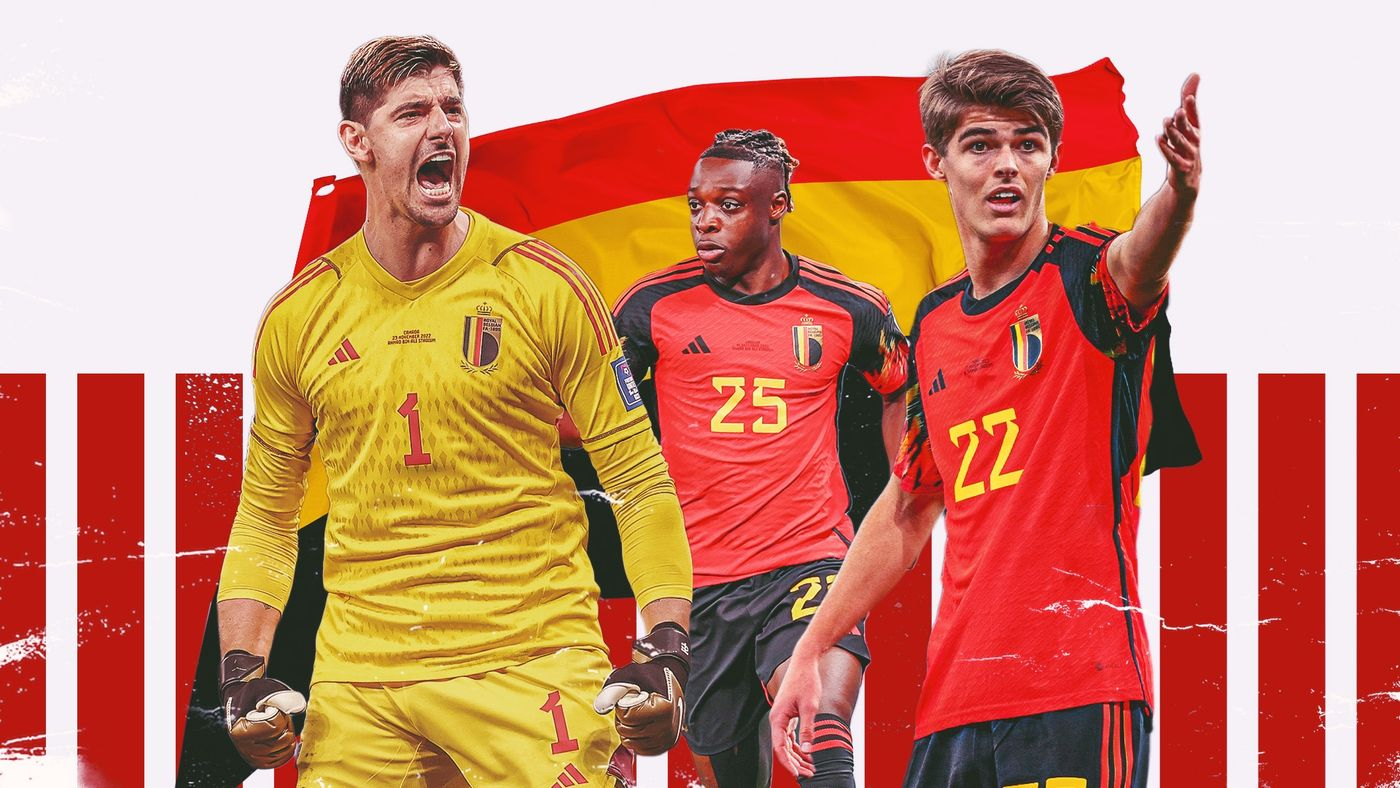
The Belgium national football team—widely known as the Red Devils—stands as one of Europe’s most consistently competitive national sides. Representing Belgium in international football since 1904, the team has evolved from early pioneers of the sport into a modern football powerhouse, balancing tradition with tactical innovation.
- A Modern Football Power with Deep Historical Roots
- Origins and Identity: From Early Innovators to “Red Devils”
- Historical Trajectory: Peaks, Declines, and Resurgence
- Tactical Identity and Playing Philosophy
- Current Squad and Key Figures (2026)
- Recent Form and Momentum
- Stadium and Fan Culture
- Rivalries: Regional Intensity
- Challenges and Transition Phase
- Looking Ahead: Belgium at the 2026 World Cup
- Conclusion: A Nation Still Chasing Its Ultimate Prize
Currently ranked among the world’s top teams, Belgium continues to operate under the governance of the Royal Belgian Football Association and competes within UEFA and FIFA structures. As of early 2026, the team sits at 9th in the FIFA rankings, reflecting sustained global relevance despite ongoing generational transitions.
Origins and Identity: From Early Innovators to “Red Devils”
Belgium’s football story begins in the late 19th century, with organized matches recorded as early as 1863. The national team played its first official international match against France in 1904, marking one of the earliest fixtures in international football history.


The nickname “Red Devils”—now synonymous with Belgian football—was coined in 1906 after a series of impressive victories, inspired by both the team’s red kit and their aggressive style of play.
Over time, the team’s visual identity has remained closely tied to Belgium’s national colors—black, yellow, and red—with the red jersey becoming iconic across global football.
Historical Trajectory: Peaks, Declines, and Resurgence
Early Achievements and Olympic Glory
Belgium quickly established itself on the international stage, winning gold at the 1920 Olympic Games on home soil—still one of the nation’s most significant football achievements.
However, the decades that followed were marked by inconsistency, particularly in early FIFA World Cup campaigns where the team struggled to compete with emerging football powers.
The First Golden Generation (1980s–1990s)
Belgium’s first major resurgence came in the 1980s and early 1990s. Under coach Guy Thys, the team reached:
- UEFA Euro 1980 Final (Runners-up)
- 1986 FIFA World Cup Semi-finals (4th place)
This era established Belgium as a tactically disciplined and competitive side on the global stage.
The Second Golden Generation (2014–2022)
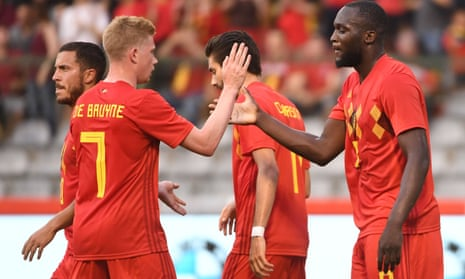
The most celebrated period in Belgian football history arrived in the 2010s, driven by elite players such as:
- Kevin De Bruyne
- Eden Hazard
- Romelu Lukaku
This generation achieved several milestones:
- FIFA World Ranking No. 1 (2015–2022 periods)
- 2018 FIFA World Cup – Third Place (best-ever finish)
Belgium also became the only national team to top FIFA rankings without winning a World Cup or continental title—a unique statistical distinction.
Tactical Identity and Playing Philosophy
Historically, Belgium has leaned toward structured and pragmatic football. Over the decades, formations have evolved:
- Early systems: 2–3–5 and WM formations
- Classic era: 4–4–2 with strong defensive organization
- Modern approach: flexible 4–3–3 with emphasis on transitions
Under current head coach Rudi Garcia, Belgium favors:
- Compact defensive shape
- Midfield control through technical players
- Rapid attacking transitions
This approach blends traditional discipline with modern attacking fluidity.
Current Squad and Key Figures (2026)
Belgium’s current squad reflects a transition phase—combining experienced leaders with emerging talent.
Core Players
- Youri Tielemans (Captain)
- Kevin De Bruyne
- Axel Witsel
Rising Stars
- Jérémy Doku
- Loïs Openda
- Zeno Debast
The squad includes players competing across Europe’s top leagues, particularly in England, Italy, and Germany, reflecting Belgium’s strong talent export system.
Recent Form and Momentum
Belgium enters 2026 with encouraging form:
- 5–2 win vs United States (March 2026)
- Strong World Cup qualifying performances, including:
- 4–2 win vs Wales
- 7–0 win vs Liechtenstein
Across their last five matches:
- 3 wins, 2 draws
- 17 goals scored, 5 conceded
These results indicate a team regaining attacking sharpness while maintaining defensive stability.
Stadium and Fan Culture
Belgium’s home matches are primarily played at the King Baudouin Stadium in Brussels, with a capacity of over 50,000.
Fan culture plays a critical role in the team’s identity:
- Unified supporter group “1895”
- Strong national turnout during major tournaments
- Large-scale fan events such as “Dance with the Devils”
Belgian supporters are widely recognized for their visual displays of national colors and passionate backing.
Rivalries: Regional Intensity
Belgium’s fiercest rivalries remain geographically and historically rooted:
Netherlands (Low Countries Derby)
- Over 100 matches played
- One of Europe’s oldest rivalries
France
- Known as “Le Match Sympathique”
- Competitive balance has shifted in recent years
These fixtures carry both sporting and cultural significance.
Challenges and Transition Phase
Despite its recent success, Belgium faces structural challenges:
- Aging core players from the golden generation
- Inconsistent performances in major tournaments
- Early exit in the 2022 World Cup group stage
The departure of long-time coach Roberto Martínez marked the end of an era, with new leadership tasked to rebuild and sustain competitiveness.
Looking Ahead: Belgium at the 2026 World Cup
Belgium has been drawn into Group G for the 2026 FIFA World Cup alongside:
- Egypt
- Iran
- New Zealand
The group presents a manageable pathway to the knockout stages, but expectations remain high given Belgium’s global standing.
Conclusion: A Nation Still Chasing Its Ultimate Prize
Belgium FC represents a compelling football narrative—one defined by early innovation, periods of brilliance, and an ongoing pursuit of major international trophies.
While the golden generation delivered historic highs, the current squad signals a recalibration rather than decline. With a blend of experienced leadership and emerging talent, Belgium remains positioned as a serious contender on the global stage.
The central question persists: can the Red Devils finally convert their sustained excellence into a major international title?