



Barry Keoghan at a Crossroads: Talent, Pressure, and the Cost of Visibility
A Rising Star Faces an Unexpected Retreat
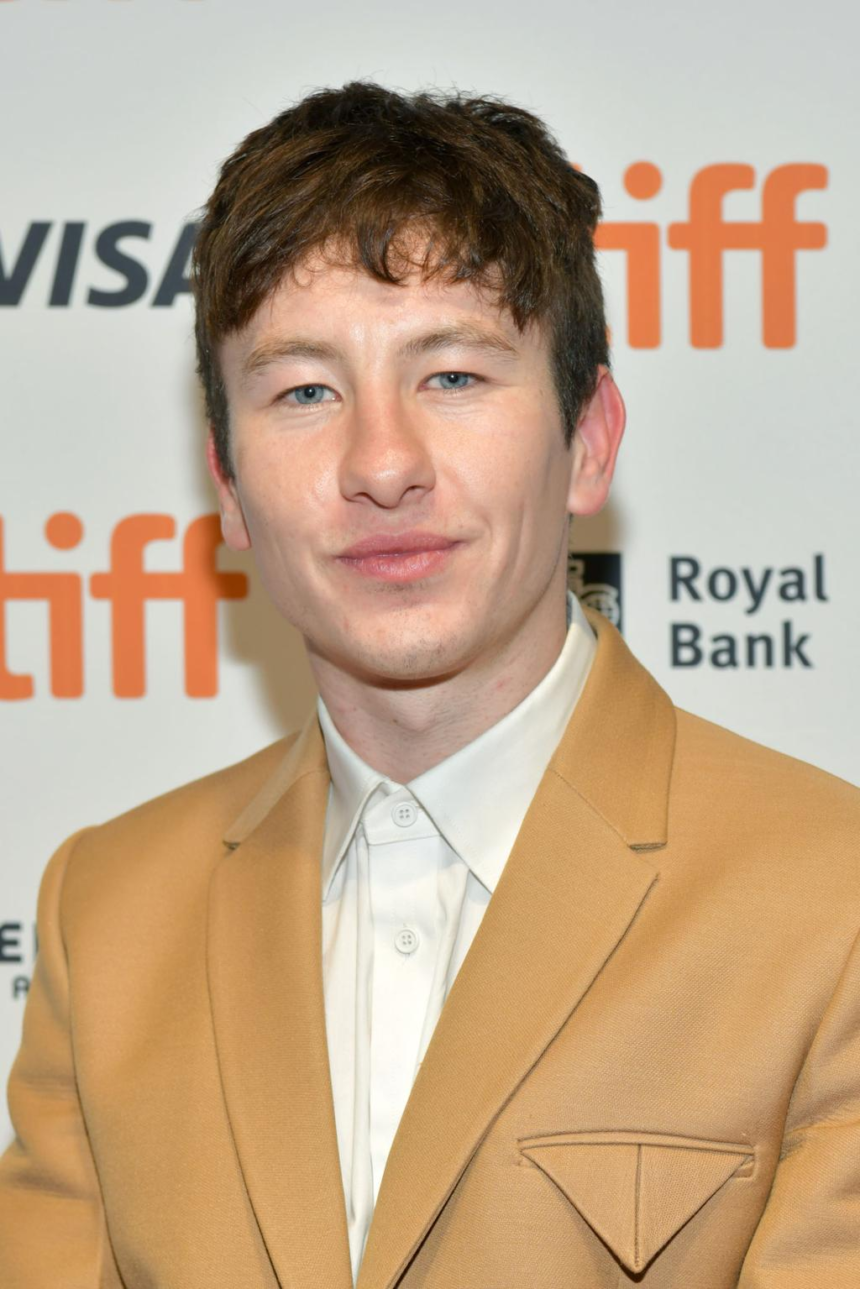
Barry Keoghan has built a reputation as one of the most compelling actors of his generation—an unpredictable screen presence capable of shifting from unsettling intensity to quiet vulnerability. Yet, at a moment when his career appears to be accelerating, the actor has revealed a starkly different reality behind the scenes: a withdrawal from acting and public life driven not by creative fatigue, but by sustained online abuse.
The development introduces a complex tension. On one hand, Keoghan’s artistic trajectory continues to expand, with major roles and future franchise potential. On the other, the psychological cost of visibility in the digital era is forcing a pause—raising broader questions about celebrity culture, audience behavior, and the sustainability of public-facing careers.
The Weight of Online Scrutiny
Keoghan’s decision to step back stems primarily from “extensive online hate,” much of it focused on his appearance. According to his own remarks, the volume and tone of the criticism have altered his day-to-day behavior.
He admitted that negative commentary has made him “shy away” from public events and even from going outside. This is not a minor adjustment; it represents a fundamental shift in how a public figure interacts with both their audience and their profession.
The issue escalates beyond digital spaces. Keoghan noted that critics crossed personal boundaries, approaching his grandmother’s home and the residence where his young son lives. That escalation—from online commentary to physical intrusion—marks a critical threshold, transforming criticism into harassment.
Previously, in December 2024, he had already addressed the issue publicly, calling out what he described as “absolute lies, hatred, disgusting commentary” directed at both his character and his parenting.


When Criticism Interferes with Craft
For an actor whose work relies on emotional openness and psychological immersion, sustained hostility presents a direct professional risk. Keoghan has acknowledged that the negativity is beginning to affect his art itself.
This is a notable point: the issue is no longer confined to personal discomfort or reputational damage—it is impacting creative output. In an industry that depends on performance authenticity, any erosion of confidence or mental stability can have cascading effects on projects, collaborations, and long-term career viability.
The concern extends further. Keoghan has expressed anxiety about how this environment might affect his three-year-old son, Brando, as he grows older and becomes aware of the public discourse surrounding his father.
A Career Still Ascending
Despite these personal challenges, Keoghan’s professional trajectory remains significant.

In the expanding universe of Peaky Blinders, his role as Duke Shelby positions him as a central figure in the franchise’s future. Following the events of the Netflix film “Peaky Blinders: The Immortal Man,” the narrative shifts toward a generational transition.
With Cillian Murphy reprising his role as Tommy Shelby in a final arc, the story culminates in a decisive turning point: Tommy’s death and the symbolic transfer of power to Duke Shelby.
This transition is not merely a plot device. It reframes Keoghan’s position within the franchise—from a supporting presence to a potential central protagonist. A confirmed spin-off is expected to explore Duke’s rise, suggesting that Keoghan’s character will carry forward the thematic legacy of the Shelby family.
Legacy, Succession, and Narrative Continuity
The creative direction of the franchise, shaped by Steven Knight, emphasizes continuity through transformation. Tommy Shelby’s arc, described as a balance between life and death, ultimately feeds into a broader exploration of legacy.
Keoghan’s Duke Shelby embodies that transition. The character evolves from what has been described as a “crown prince” into a central authority figure in Birmingham’s underworld.
Production choices reinforce this thematic weight. Scenes—such as intense confrontations filmed in a real pig yard—highlight a commitment to realism, grounding the narrative in a visceral, physical environment that mirrors the emotional stakes of succession and power.
The Cultural Context: Fame in the Age of Constant Exposure
Keoghan’s situation reflects a broader structural issue in modern celebrity culture. The same platforms that amplify recognition also intensify scrutiny. The boundary between public and private life becomes increasingly porous, often without adequate safeguards.
Three key dynamics are evident:
- Hyper-visibility: Public figures are continuously accessible, making them targets for sustained commentary.
- Normalization of hostility: Negative discourse, particularly about appearance, has become widespread and often unmoderated.
- Escalation into real-world behavior: As seen in Keoghan’s experience, online hostility can translate into physical intrusion.
This environment places a disproportionate burden on individuals whose careers depend on public engagement.
What Comes Next for Barry Keoghan?
Keoghan’s withdrawal does not necessarily indicate a permanent exit from acting. Rather, it signals a recalibration—an attempt to regain control over personal and professional boundaries.
Several potential trajectories emerge:
- Selective project engagement: Limiting exposure while maintaining a presence in high-impact roles.
- Shift in public interaction: Reduced participation in promotional events and media appearances.
- Industry response: Increased attention to actor welfare, particularly regarding online harassment.
At the same time, his role in the evolving Peaky Blinders narrative suggests that his artistic relevance remains intact, if not expanding.
Conclusion: Talent Under Pressure
Barry Keoghan’s current moment encapsulates a paradox. He stands at the threshold of major career expansion—anchoring a significant franchise narrative—while simultaneously stepping back from the very visibility that fuels that success.
The situation underscores a critical question for the entertainment industry: how sustainable is a system that elevates talent while exposing it to relentless, often personal scrutiny?
For Keoghan, the answer may lie in balance—preserving the integrity of his craft while redefining the terms of his public presence. For audiences and platforms, the responsibility is more structural: addressing the culture that made such a withdrawal necessary in the first place.