



Barry Keoghan and the Hidden Cost of Fame: When Online Abuse Becomes Personal
A Rising Star Confronts a Growing Crisis
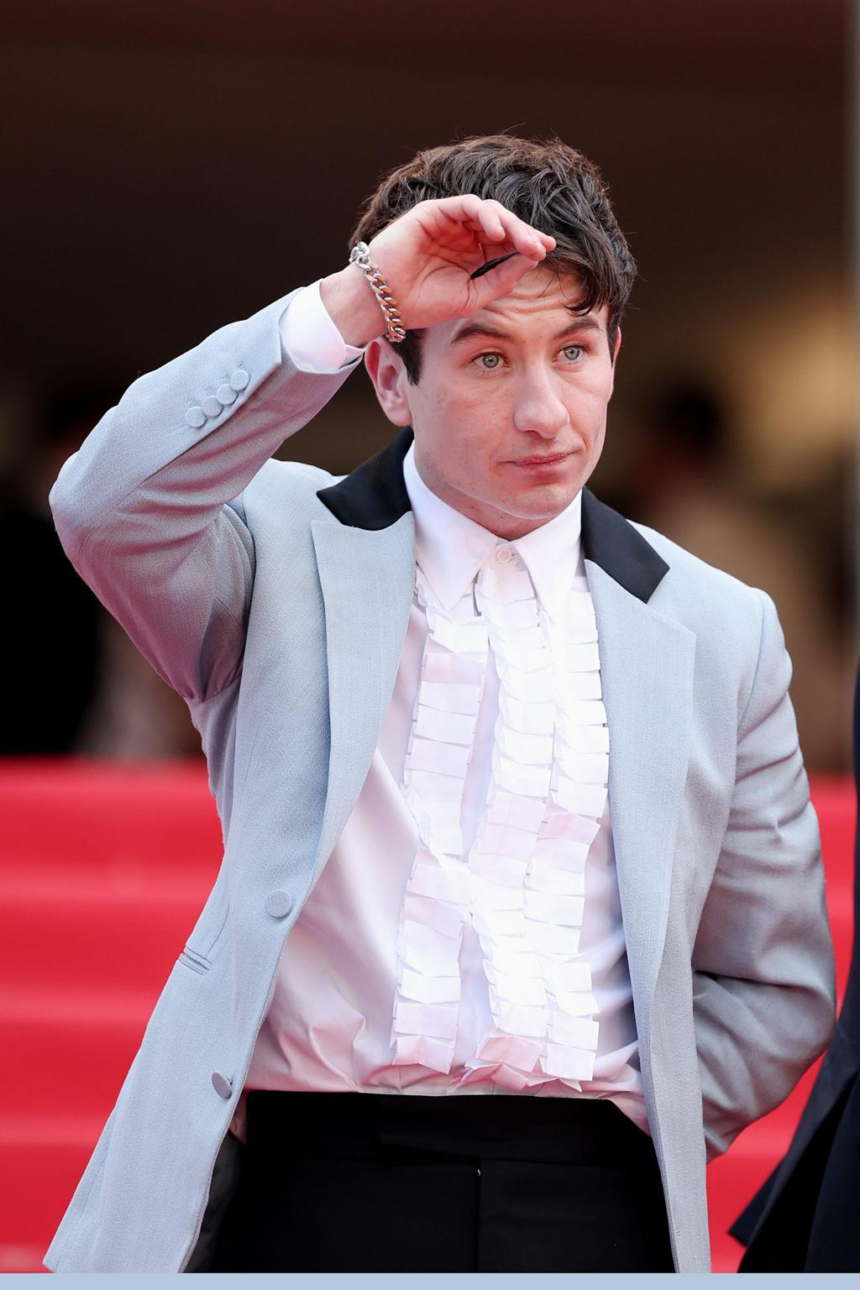
In recent years, Barry Keoghan has emerged as one of the most compelling actors of his generation, known for intense, unconventional performances and a steady rise through major film and television projects. Yet behind the critical acclaim and high-profile roles lies a more complex reality—one shaped by the increasing pressure of online scrutiny.
- A Rising Star Confronts a Growing Crisis
- From Public Recognition to Private Withdrawal
- When Criticism Crosses Into Identity
- The Human Dimension: Family and Future Concerns
- Balancing Negativity With Support
- Career Momentum Amid Personal Challenges
- A Broader Cultural Reflection
- Conclusion: Fame in the Age of Unfiltered Feedback
Speaking candidly during an appearance on SiriusXM’s The Morning Mash Up, the actor revealed that persistent online criticism about his appearance has reached a point where it is affecting both his personal life and professional outlook.
“There’s a lot of hate online,” Keoghan explained. “There’s a lot of abuse of how I look, and it’s kind of past the point of — you know, everyone goes through that… but it’s made me shy away. It’s made me really go inside myself, not want to attend places, not want to go outside.”
His remarks highlight a broader issue in the entertainment industry: the psychological toll of digital culture on public figures.


From Public Recognition to Private Withdrawal
Keoghan’s experience illustrates a shift that many actors face once visibility reaches a certain threshold. What begins as public recognition often evolves into constant scrutiny, amplified by social media platforms.
“I say this being absolute pure and honest to you. It’s becoming a problem,” he stated.


Despite stepping back from online platforms, Keoghan admitted that curiosity still draws him back after major appearances or premieres. However, the feedback he encounters is often discouraging.
“I think I removed myself from online, but I’m still a curious human being that wants to go on and… see how it was received… and it’s not nice.”
The result is a cycle that many public figures struggle to break—detachment followed by re-engagement, often leading to renewed exposure to criticism.
When Criticism Crosses Into Identity
What distinguishes Keoghan’s situation is the personal nature of the commentary. Rather than focusing on his work, much of the criticism targets his physical appearance—an area that is inherently tied to identity.



“I don’t have to hide away ’cause I am hiding away… I actually don’t go to places because of these things.”
This withdrawal from public spaces underscores how online abuse can extend beyond the digital sphere, influencing real-world behavior and limiting professional engagement.
More concerning, Keoghan acknowledged the potential impact on his craft:
“When that starts leaking into your art, it becomes a problem, because then you don’t want to even be on screen anymore.”
For an actor, whose work depends on visibility and emotional openness, such a shift represents a significant professional risk.
The Human Dimension: Family and Future Concerns
Beyond his own experience, Keoghan’s reflections also point to the long-term implications of online negativity, particularly for his family.
He expressed concern about how his young son, Brando, may eventually encounter the same criticism.
“It is disappointing for the fans, but it’s also disappointing that my little boy has to read all of this stuff when he gets older.”
This perspective reframes the issue—not simply as a celebrity challenge, but as a broader social problem with intergenerational consequences.
Balancing Negativity With Support
Despite the intensity of the criticism, Keoghan was careful to acknowledge the positive side of his public life. He emphasized the importance of genuine fan interactions and the support he continues to receive.
“I’ve been blessed that I have an incredible fanbase and people are so lovely out there, you know?”
He added that direct engagement—through Q&A sessions and live interactions—offers a more meaningful connection than the often-anonymous environment of social media.
“That is the good side of it.”
This contrast highlights a key distinction: while digital platforms can amplify negativity, they do not fully represent the audience experience.
Career Momentum Amid Personal Challenges
Professionally, Keoghan remains active and in demand. He recently appeared in Peaky Blinders: The Immortal Man, continuing his association with high-profile productions.
Looking ahead, he is set to portray Ringo Starr in an upcoming biographical project directed by Sam Mendes—a role that signals both industry confidence and a significant step in his career trajectory.
At the same time, his personal life has attracted attention, particularly following his relationship with Sabrina Carpenter, which ended in December 2024 after about a year. The increased visibility surrounding that period appears to have coincided with a surge in online commentary.
A Broader Cultural Reflection
Keoghan’s experience is not isolated. Across the entertainment industry, public figures have increasingly spoken out about body-shaming, harassment, and the psychological effects of digital exposure.
What makes his case particularly notable is the direct link between online abuse and professional hesitation. His admission that it could affect his willingness to appear on screen signals a deeper issue: when external criticism begins to alter creative output, the consequences extend beyond the individual to the industry itself.
This raises critical questions:
- How should platforms address sustained harassment?
- What responsibility do audiences hold in shaping online discourse?
- And how can public figures maintain mental resilience in an environment designed for constant feedback?
Conclusion: Fame in the Age of Unfiltered Feedback
Barry Keoghan’s remarks offer a candid insight into the realities of modern celebrity—where visibility brings not only opportunity but also relentless exposure to judgment.
His statement, “It’s becoming a problem,” encapsulates a turning point. Not just for him personally, but for an industry grappling with the unintended consequences of digital culture.
As Keoghan continues to navigate both professional success and personal challenges, his experience serves as a reminder that behind every public figure is an individual negotiating the same fundamental need for respect, privacy, and psychological well-being.