



Auxillia Mnangagwa: Power, Influence, and the Role of Zimbabwe’s First Lady
Introduction: More Than Just “The President’s Wife”
When discussing the personal life of Emmerson Mnangagwa, one name consistently surfaces with growing prominence—Auxillia Mnangagwa. Often searched as “Emmerson Mnangagwa wife,” Auxillia’s identity extends far beyond her marital status. She is a political figure, a former member of parliament, and a First Lady whose visibility has steadily increased since Zimbabwe’s political transition in 2017.
- Introduction: More Than Just “The President’s Wife”
- Who Is Auxillia Mnangagwa?
- Marriage to Emmerson Mnangagwa
- Rise to First Lady: A Turning Point in 2017
- Political Influence and Public Role
- Philanthropy and the Angel of Hope Foundation
- Controversies and Criticism
- Public Perception: Between Admiration and Skepticism
- The Mnangagwa Family Dynamic
- Broader Implications: First Ladies in African Politics
- Conclusion: A Figure at the Intersection of Power and Public Image
This article takes an analytical approach, examining her background, political trajectory, public role, controversies, and broader influence within Zimbabwe’s socio-political landscape.
Who Is Auxillia Mnangagwa?
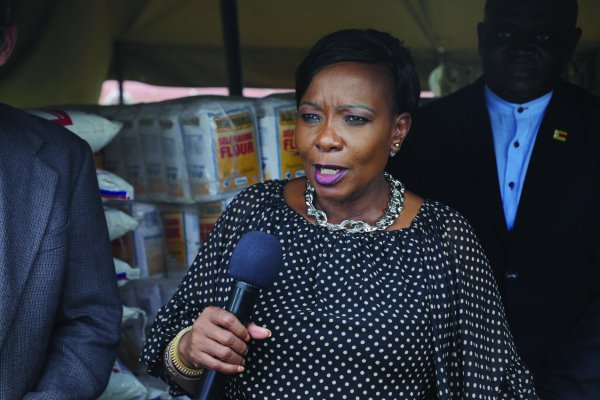
Auxillia Mnangagwa (née Kutyauripo) was born in March 1963 in Mazowe, Zimbabwe. She grew up in a rural farming environment and later pursued education in administration and tourism, eventually working within government structures before entering politics.
Her early career included:
- Work at the Ministry of Manpower and Development
- A role in the Prime Minister’s office starting in 1992
- Involvement with the Central Intelligence Organisation in the late 1990s
These roles positioned her within Zimbabwe’s political ecosystem long before she became First Lady.


She formally entered politics in the 1980s and later rose within the ruling ZANU–PF party, eventually becoming a member of its Central Committee.
Marriage to Emmerson Mnangagwa
Auxillia Mnangagwa is married to Emmerson Mnangagwa, Zimbabwe’s current president. She became his spouse after the death of his previous wife, Jayne Mnangagwa.
Together, they have three children:
- Emmerson Mnangagwa Jr.
- Collins Mnangagwa
- Sean Mnangagwa



Her marriage to Mnangagwa placed her at the center of Zimbabwe’s political elite, particularly as he rose through the ranks—from vice president to president following the dramatic political shift in November 2017.
Rise to First Lady: A Turning Point in 2017
Auxillia officially became First Lady on 24 November 2017, when Emmerson Mnangagwa assumed the presidency after the end of Robert Mugabe’s long rule.
Her rise to this position marked a significant transition in Zimbabwe’s political symbolism. Unlike her predecessor, Grace Mugabe, Auxillia initially projected a more understated and structured public persona.
Before becoming First Lady, she had already served as:
- Member of Parliament for Chirumanzu–Zibagwe (2015–2018)
- A ZANU–PF political organizer and mobilizer
Her parliamentary victory in 2015—with over 94% of the vote—demonstrated her political backing within the ruling party.
Political Influence and Public Role
A First Lady with Political Roots
Auxillia Mnangagwa differs from many ceremonial First Ladies in Africa due to her direct political experience. She has:
- Participated in party structures
- Held public office
- Maintained influence within ZANU–PF
Her presence in Zimbabwe’s Central Committee and parliament indicates she is not merely symbolic but embedded in political decision-making networks.
Strategic Visibility
Her public activities are often carefully curated. Reports suggest that her charity initiatives and media appearances are tightly managed to project a particular image—one of a “hard-working First Lady” involved in grassroots development.
Philanthropy and the Angel of Hope Foundation
One of Auxillia Mnangagwa’s most visible contributions is her philanthropic work through the Angel of Hope Foundation.
The foundation focuses on:
- Supporting marginalized communities
- Providing healthcare outreach programs
- Distributing aid to vulnerable populations
According to official narratives, her work has been recognized both locally and internationally, including honorary academic awards for her contributions to development and charity.
However, the foundation has also attracted scrutiny regarding:
- Transparency of funding sources
- Attribution of donor contributions
- State involvement in charitable activities
These concerns highlight the complex intersection of philanthropy and politics in Zimbabwe.
Controversies and Criticism
Honorary Degrees Debate
Auxillia Mnangagwa has received several honorary degrees from institutions in Zimbabwe, India, and Russia. While these awards are officially attributed to her charitable work, they have sparked criticism from academics.
Some critics argue that:
- The awards may be politically motivated
- Universities could be seeking favor with the presidency
- The recognition may not align with measurable academic or developmental impact
A Zimbabwean academic described the trend as part of a broader pattern among African First Ladies to elevate their public image.
Sanctions and International Scrutiny
In 2024, Auxillia Mnangagwa was among Zimbabwean officials targeted by United States sanctions related to:
- Alleged human rights abuses
- Corruption
- Minerals-related activities
This development placed her directly within global political discussions, reinforcing her role as more than a ceremonial figure.
Public Perception: Between Admiration and Skepticism
Auxillia Mnangagwa’s public image is layered and contested.
Positive Perceptions
Supporters view her as:
- A compassionate advocate for the poor
- A disciplined and strategic First Lady
- A figure contributing to national development
Critical Views
Critics, however, question:
- The authenticity of her philanthropic initiatives
- The political motivations behind her visibility
- The concentration of influence within the presidential family
This dual perception reflects broader tensions within Zimbabwe’s political landscape.
The Mnangagwa Family Dynamic
The Mnangagwa family is often described as politically and economically influential. Auxillia’s role within this structure is significant, particularly alongside her sons, who are also active in business and public life.
Her position strengthens the family’s collective presence in:
- Government
- Business networks
- Political strategy
This has led some observers to frame the Mnangagwas as a central power bloc within Zimbabwe.
Broader Implications: First Ladies in African Politics
Auxillia Mnangagwa’s trajectory reflects a wider trend across Africa, where First Ladies are increasingly:
- Politically active
- Involved in development programs
- Positioned as soft-power figures
However, her case also raises important questions:
- Where is the line between public service and political influence?
- How should philanthropic work linked to state power be evaluated?
- What accountability mechanisms exist for First Ladies?
These questions extend beyond Zimbabwe and into broader governance discussions across the continent.
Conclusion: A Figure at the Intersection of Power and Public Image
Auxillia Mnangagwa cannot be reduced to a simple search query about “Emmerson Mnangagwa wife.” Her profile illustrates the evolving role of political spouses in modern African governance.
She is:
- A former parliamentarian
- A political insider
- A public-facing philanthropist
- A subject of both praise and criticism
As Zimbabwe continues to navigate its political and economic challenges, her influence—both visible and behind the scenes—remains a relevant factor in understanding the country’s leadership dynamics.