




Artemis II Start Countdown: Humanity Edges Back Toward the Moon
The Moment the Clock Started Ticking
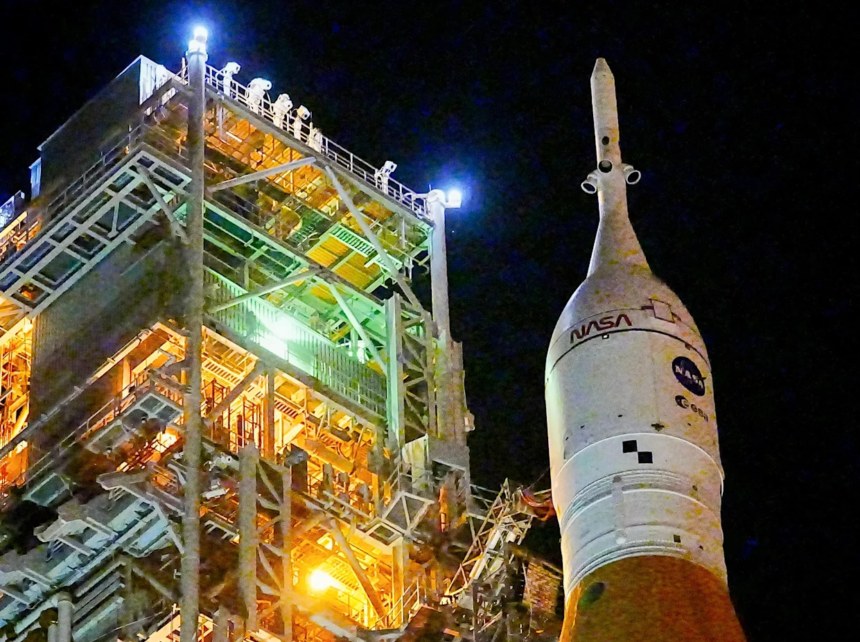
The countdown has officially begun for one of the most consequential space missions in modern history. At NASA’s Kennedy Space Center in Florida, engineers, astronauts, and mission controllers are now operating under the pressure of a live clock—marking humanity’s first crewed journey toward the Moon in more than half a century.
- The Moment the Clock Started Ticking
- A Mission Designed to Redefine Human Spaceflight
- Inside the Countdown: What Happens Before Liftoff
- Weather, Risk, and the Fragility of Launch Windows
- A Crew That Reflects a New Era
- Why This Countdown Took Over 50 Years
- The Broader Impact: Beyond Space Exploration
- What Happens After Artemis II
- Conclusion: A Countdown That Carries History Forward
The countdown clock was activated at 4:44 p.m. Eastern time, signaling that all major systems for the Artemis II mission are progressing toward launch readiness. This is not just another launch sequence—it is the culmination of decades of technological evolution, political commitment, and renewed ambition in human space exploration.
The target: a liftoff window centered around early April, with a launch time near 6:24 p.m. EDT.

A Mission Designed to Redefine Human Spaceflight
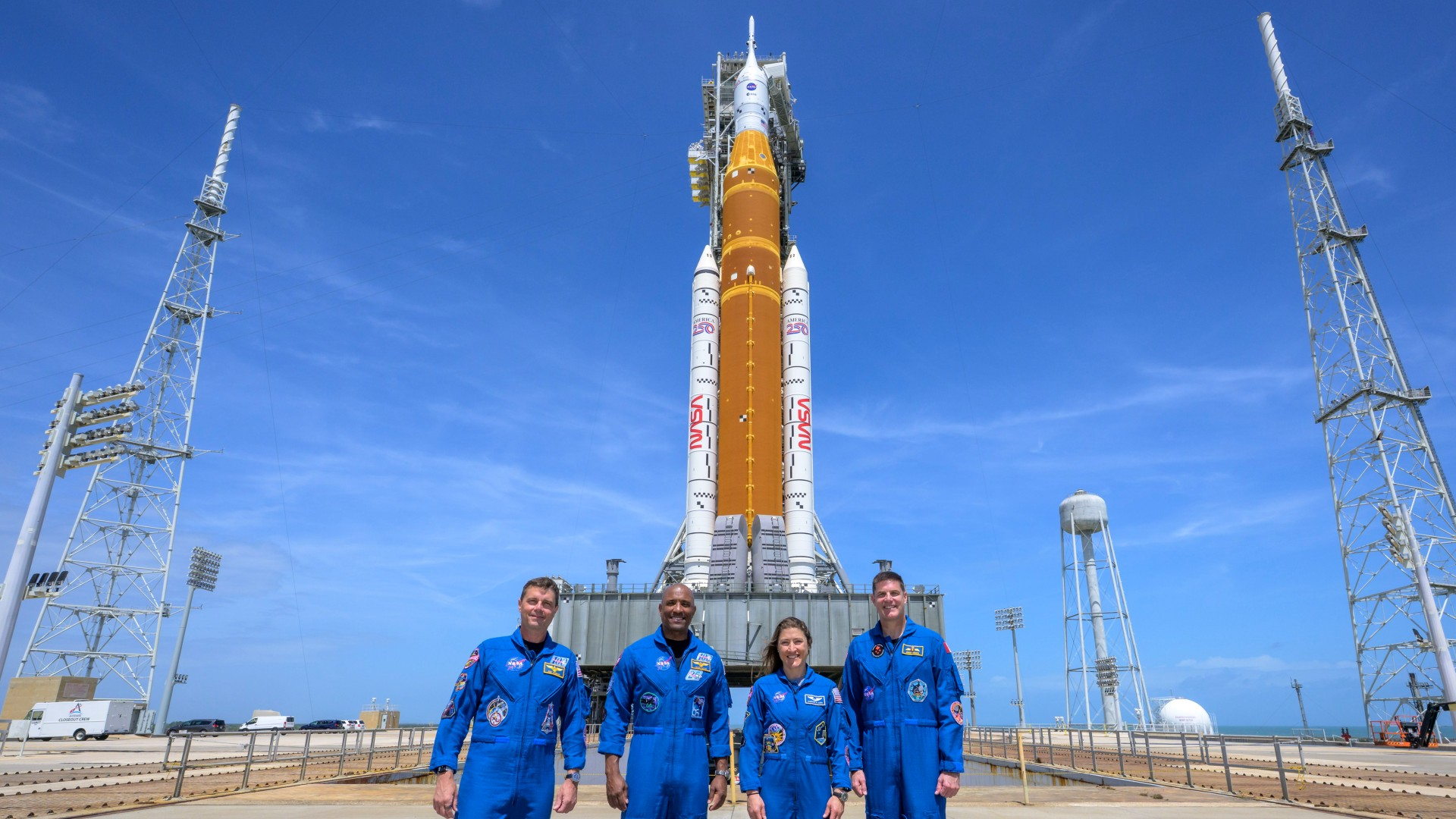
Artemis II is structured as a critical test flight, but its implications extend far beyond experimentation. Four astronauts will board the Orion spacecraft atop the Space Launch System (SLS), embarking on a nearly 10-day journey that will carry them around the Moon and back to Earth.
Unlike the Apollo missions, this flight will not land on the lunar surface. Instead, it will perform a high-speed flyby—essentially a precision “U-turn” around the Moon—before returning for a Pacific Ocean splashdown.


The mission is designed to achieve several objectives:
- Validate the performance of the SLS rocket and Orion spacecraft under crewed conditions
- Test navigation, propulsion, and life-support systems in deep space
- Demonstrate safe reentry and recovery procedures
- Lay groundwork for future lunar landings under the Artemis program
If successful, Artemis II will mark the first time humans leave Earth’s orbit since 1972, when Apollo 17 closed the previous chapter of lunar exploration.
Inside the Countdown: What Happens Before Liftoff
The countdown process is a tightly choreographed sequence of technical operations, each designed to ensure mission safety and performance. This process transforms the rocket from a static structure into a fully fueled, flight-ready system.
These steps will guide the mission from preparation to ignition:



Fueling the Rocket
Liquid oxygen and liquid hydrogen are loaded into the rocket’s core stage—a process that takes more than five hours and requires precise temperature and pressure control.
Crew Preparation
Astronauts wake, undergo final briefings, and suit up before traveling to the launch pad. They are strapped into the Orion capsule hours before liftoff.
Systems Check and Terminal Count
All onboard systems—navigation, propulsion, communication—are verified. The final countdown phase begins, where even minor anomalies can trigger a hold or delay.
Weather and Environmental Monitoring
Launch teams continuously assess atmospheric conditions, including wind, lightning, cloud cover, and solar activity. Any violation of strict safety criteria can postpone the launch.
This layered process reflects a single objective: eliminate uncertainty before committing to launch.
Weather, Risk, and the Fragility of Launch Windows
Even with advanced technology, spaceflight remains highly sensitive to environmental conditions. Current forecasts indicate an 80% chance of favorable weather—an encouraging but not definitive signal.
Several factors could still delay liftoff:
- High-altitude winds affecting rocket stability
- Lightning or electrical field disturbances
- Cloud formations capable of triggering electrical discharge
- Solar activity that could disrupt communications
NASA operates within a two-hour launch window, allowing flexibility to adapt to rapidly changing conditions. However, if the window closes without a successful launch, the mission may be rescheduled for later dates within early April.
A Crew That Reflects a New Era
The Artemis II crew represents a deliberate shift in representation and global collaboration.
Among them is astronaut Victor Glover, who emphasized the broader cultural significance of the mission:
“Girl power and that’s awesome, and that young brown boys and girls can look at me and go ‘Hey, he looks like me and he’s doing what???’”
At the same time, he expressed a long-term vision where such milestones become normalized:
“One day we don’t have to talk about these firsts” and exploration becomes part of shared human history.
The inclusion of a woman, a person of color, and an international astronaut signals a transition from national achievement to global participation in space exploration.
Why This Countdown Took Over 50 Years
The question many observers ask is straightforward: why has it taken so long to return to the Moon?
The answer lies in a combination of technical, political, and financial complexity.
After the Apollo program ended in the early 1970s, NASA shifted focus toward:
- Space shuttle development
- Low-Earth orbit operations
- Construction and maintenance of the International Space Station
Returning to the Moon required rebuilding capabilities that had been dormant for decades, alongside developing entirely new systems.
Even today, challenges persist. Artemis II itself was delayed due to:
- Hydrogen fuel leaks
- A clogged helium pressurization line
- Additional testing and system validation requirements
Each delay reflects the fundamental reality of spaceflight: reliability is achieved through iteration, not speed.
The Broader Impact: Beyond Space Exploration
The Artemis II countdown is not just a scientific milestone—it carries broader implications across multiple domains.
Technological Innovation
The mission integrates decades of research from the International Space Station and previous Artemis testing, pushing the boundaries of propulsion, materials science, and navigation.
Economic and Market Influence
High-profile missions like Artemis II can influence investor sentiment, particularly in aerospace, defense, and advanced manufacturing sectors.
Cultural and Educational Impact
The mission is expected to inspire a new generation of scientists, engineers, and explorers—much like Apollo did in the 20th century.
Strategic Positioning
It reinforces leadership in space exploration while encouraging international partnerships and private-sector involvement.
What Happens After Artemis II
Artemis II is not the destination—it is a step in a larger roadmap.
Future missions aim to:
- Land astronauts on the lunar surface (Artemis III and beyond)
- Establish a sustainable human presence on and around the Moon
- Use lunar infrastructure as a launch point for missions to Mars
As NASA officials have emphasized, Artemis II will test the systems and strategies that will define the next era of human exploration.
Conclusion: A Countdown That Carries History Forward
The Artemis II start countdown represents more than a launch schedule—it is the visible culmination of over 50 years of ambition, recalibration, and technological progress.
Every second that ticks down brings humanity closer to re-entering deep space, not as a singular achievement, but as part of a sustained effort to expand human presence beyond Earth.
If the mission proceeds as planned, it will mark a decisive transition—from returning to the Moon to preparing to stay there.