




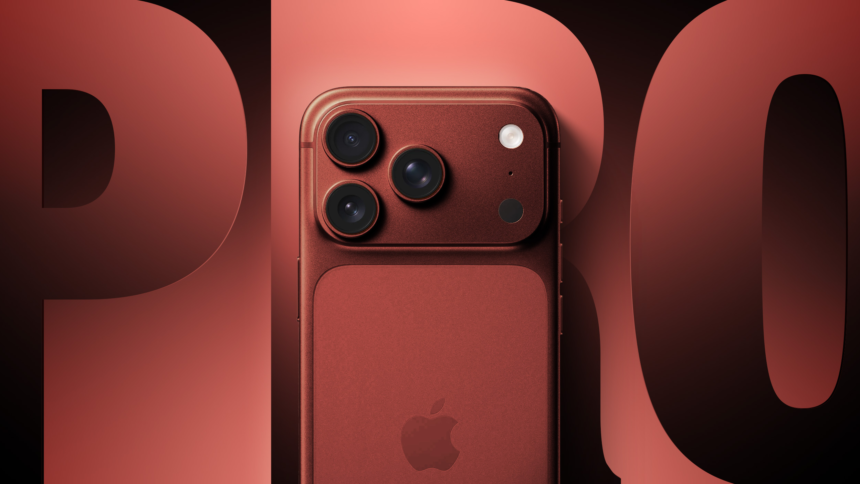
Apple iPhone 18 Pro Max: A Calculated Evolution Toward AI-Powered Smartphones
The upcoming Apple iPhone 18 Pro Max is not shaping up to be a radical redesign. Instead, it represents a deliberate, strategic refinement of Apple’s flagship formula—one that prioritizes performance efficiency, AI integration, and long-term ecosystem control over dramatic visual change.
- A Flagship Built on Refinement, Not Reinvention
- Performance: The A20 Pro Chip and AI Integration
- Battery and Connectivity: Toward Independence from Networks
- Camera System: Precision Over Specification Inflation
- Pricing Strategy: Stability in a Rising Cost Environment
- A New Launch Strategy: Extending the Spotlight
- Market Context: Competing Against Its Own Innovation
- Why Demand Remains Strong
- Conclusion: A Strategic, AI-First Future
With leaks pointing to a September 2026 debut, the device sits at the center of a broader shift within Apple Inc.—a shift that redefines what a premium smartphone should deliver in an increasingly mature market.
A Flagship Built on Refinement, Not Reinvention
The iPhone 18 Pro Max continues Apple’s pattern of iterative innovation. Rather than introducing a disruptive new design, the company appears focused on refining core elements that directly impact daily usage.



One of the most discussed updates is the smaller Dynamic Island, expected to shrink by up to 35%. This change, combined with potential under-display sensor integration, improves screen immersion without altering the overall design language.
The device is also expected to maintain a 6.9-inch OLED display, reinforcing Apple’s preference for consistency in screen sizing while enhancing usability and visual clarity.


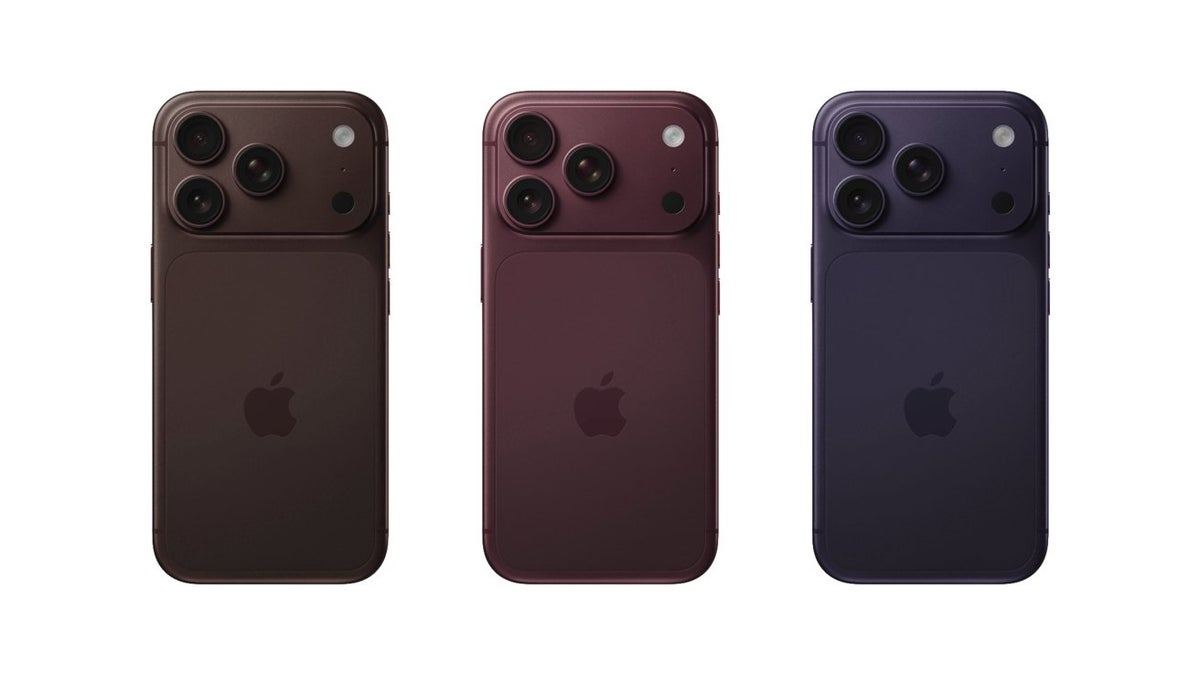
From a design perspective, Apple is moving toward a more unified aesthetic:
- Single-tone finishes replacing dual-tone designs
- New color options such as Deep Red, Burgundy, and Purple
- Slightly thicker body to accommodate internal upgrades
This is evolution through precision rather than reinvention.
Performance: The A20 Pro Chip and AI Integration
At the core of the iPhone 18 Pro Max is the A20 Pro chip, built using a 2-nanometer process. This represents a significant technological leap.
Expected improvements include:



- Up to 15% faster performance
- Around 30% better energy efficiency
- Enhanced AI processing capabilities through integrated architecture
A notable innovation is the Wafer-Level Multi-Chip Module (WMCM) packaging, which embeds RAM directly alongside the CPU and Neural Engine. This allows faster data access and better optimization for Apple’s AI ecosystem.
The implication is clear: Apple is moving toward on-device artificial intelligence, reducing reliance on cloud computing and improving privacy, speed, and responsiveness.
Battery and Connectivity: Toward Independence from Networks
Battery performance is becoming a central feature rather than a secondary specification. The iPhone 18 Pro Max is expected to include:
- 5,100–5,200mAh battery—potentially the largest ever in an iPhone
- Improved efficiency from the A20 Pro chip
- Up to 1.5–2 days of real-world usage
On the connectivity side, Apple is making a strategic shift:
- Introduction of the C2 modem, reducing reliance on third-party suppliers
- Support for satellite-based internet connectivity
- Capability for apps to function even without traditional network coverage
This signals a long-term ambition: smartphones that operate independently of conventional telecom infrastructure.
Camera System: Precision Over Specification Inflation
Apple is maintaining its triple-camera system but refining performance rather than chasing higher megapixel counts.
Expected setup:
- 48MP primary sensor
- 48MP ultra-wide
- 48MP telephoto with up to 4x optical zoom
Enhancements focus on real-world usability:
- Larger apertures for low-light performance
- Reduced shutter lag
- Improved dynamic range via stacked sensors
- Possible variable aperture lens for better control over depth and exposure
This aligns with Apple’s long-standing approach: reliability and consistency over headline specifications.
Pricing Strategy: Stability in a Rising Cost Environment
Despite increasing production costs, Apple appears committed to maintaining pricing stability.
Expected pricing:
- Starting around $1,199 for Pro Max
- Potentially up to $1,299 depending on configuration
Analyst insights suggest Apple may absorb higher component costs rather than passing them fully to consumers, at least in key markets.
This strategy reflects:
- A focus on customer retention in the premium segment
- Preservation of psychological pricing thresholds
- Reinforcement of the iPhone as a luxury-tier product
A New Launch Strategy: Extending the Spotlight
One of the most significant shifts is not in hardware—but in timing.
Apple is expected to adopt a phased release model:
- September 2026: Pro and Pro Max models
- Later: Foldable iPhone
- Early 2027: Standard iPhone 18 models
This approach allows Apple to:
- Extend product visibility across multiple quarters
- Sustain consumer attention
- Segment the market more effectively
It marks a departure from Apple’s traditional all-at-once launch strategy.
Market Context: Competing Against Its Own Innovation
Interestingly, the iPhone 18 Pro Max may face competition from within Apple’s own ecosystem.
Reports indicate that the upcoming foldable iPhone—with a larger, tablet-like display—could overshadow the Pro Max in terms of innovation and consumer excitement.
This highlights a broader industry trend:
- Traditional smartphones are reaching design saturation
- Breakthroughs are shifting toward form factor changes, not just performance gains
In this environment, the iPhone 18 Pro Max represents stability, while the foldable device represents experimentation.
Why Demand Remains Strong
Despite incremental updates and premium pricing, demand for Pro Max models continues to hold.
Key drivers include:
- Strong brand equity of Apple
- Long software support lifecycle
- Tight ecosystem integration
- High resale value
- Status signaling in global markets
Consumers are not just purchasing hardware—they are buying into a long-term digital ecosystem.
Conclusion: A Strategic, AI-First Future
The Apple iPhone 18 Pro Max is not designed to shock the market—it is designed to stabilize and strengthen Apple’s position within it.
Its significance lies in:
- Advancing AI-driven mobile computing
- Improving efficiency and battery life
- Expanding connectivity beyond traditional networks
- Maintaining disciplined pricing in a volatile cost environment
This is a device built on precision, not spectacle.
The broader question is no longer whether Apple can innovate—it is whether incremental innovation, combined with ecosystem strength, remains enough to justify its premium positioning.
Based on current leaks and strategy, Apple is confident that it does.