

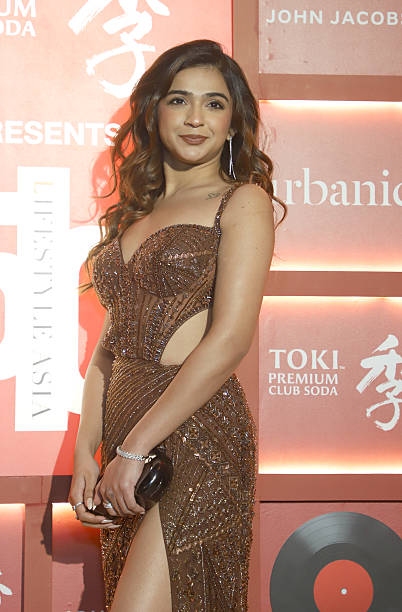
Apoorva Mukhija: The Influencer at the Center of India’s Culture Wars
From “Rebel Kid” to Viral Lightning Rod
In the fast-moving world of digital influence, few personalities embody controversy and conversation as consistently as Apoorva Mukhija. Known online as “The Rebel Kid,” the social media creator has built her brand on bold expression, unapologetic opinions, and lifestyle-driven content. But in April 2026, her online persona collided head-on with deeply rooted cultural sensitivities—sparking one of the most intense debates around influencer responsibility in recent memory.
At the heart of the storm lies a single moment: a short video clip, filmed casually as part of a “get ready with me” routine for Coachella, that quickly transformed into a national talking point.
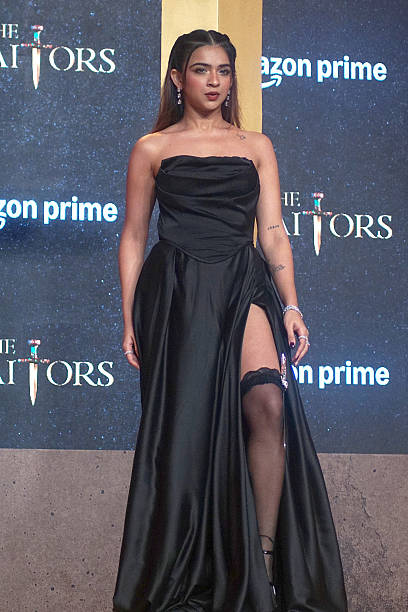
The Video That Ignited a Firestorm
Apoorva Mukhija’s now-viral video showed her preparing for the Coachella Valley Music and Arts Festival. In the clip, she is seen cutting off a kalava, a sacred red thread tied during Hindu rituals. As she does so, she remarks:
“Mujhe mere pandit ne bola tha ke aap yeh wala dhaaga mat kaatna. But, mere aur mere aesthetic Coachella pictures ke beech mein agar koi aa sakta hai toh woh hu sirf main khud.”
The statement—framing personal aesthetics over religious symbolism—quickly went viral. For many viewers, it struck a nerve. The kalava, traditionally allowed to fall off naturally or removed respectfully, holds spiritual significance in Hindu practices.
Critics accused Mukhija of trivializing religious beliefs for the sake of content. Others argued that the act reflected a broader trend among influencers prioritizing virality over sensitivity.
Public Reaction: Outrage, Support, and Polarization
The backlash was swift and intense. Social media platforms filled with criticism, with users expressing hurt and anger. Some comments questioned her understanding of the ritual, while others accused her of deliberately provoking controversy.
At the same time, a contrasting narrative emerged. Supporters defended Mukhija’s right to personal choice, arguing that religious expression is inherently individual. One user pointed out that the backlash itself signaled her growing influence:
“Omg. The comment section is full of Haters. But that’s when you know you made it girliee.”
This divide—between tradition and personal autonomy—became the defining feature of the controversy.
The Rumour Mill: Personal Life Under Scrutiny
As the kalava controversy gained traction, another storyline began unfolding. Photos of Mukhija with DJ and podcaster Amin Jaz surfaced online, sparking widespread speculation about a possible relationship.
The timing intensified scrutiny. Many social media users attempted to link the two narratives—suggesting, without confirmation, that her actions in the video were influenced by her alleged personal life.
Online commentary quickly spiraled:
- “Renouncing faith, or just new love?”
- “Now we get to know the reason behind cutting the kalawa.”
Despite the speculation, no official confirmation has been provided by either Mukhija or Amin Jaz.
A Pattern of Controversy
This is not the first time Apoorva Mukhija has found herself at the center of online debate. In 2025, she faced backlash following her appearance on Samay Raina’s YouTube show India’s Got Latent, which led to legal threats and widespread criticism.
Such incidents highlight a recurring pattern: Mukhija’s content often pushes boundaries, drawing both admiration and criticism in equal measure.
Influencer Culture vs. Cultural Sensitivity
The larger conversation surrounding Apoorva Mukhija extends beyond a single video. It taps into a broader societal tension—how digital creators navigate cultural identity in a globalized, content-driven world.
Influencers today operate in a space where:
- Personal branding often prioritizes individuality and aesthetics
- Audiences remain deeply rooted in cultural and religious values
- Viral content can amplify both support and outrage within hours
Mukhija’s case illustrates how quickly these dynamics can collide. What may begin as a personal styling decision can evolve into a national debate about respect, identity, and accountability.
Silence and Speculation
As the controversy continues to unfold, one notable aspect remains: Apoorva Mukhija has not issued a formal statement addressing either the kalava incident or the dating rumours.
Instead, she has continued to post content from Coachella, maintaining her usual online presence. This silence has only fueled further speculation, leaving the narrative largely shaped by public discourse rather than direct clarification.
The Road Ahead
Apoorva Mukhija’s story reflects the evolving landscape of digital influence—where creators are no longer just entertainers but cultural figures navigating complex social expectations.
The questions raised by her recent controversy remain unresolved:
- Where should influencers draw the line between personal expression and cultural sensitivity?
- How much responsibility do public figures bear for the interpretations of their actions?
- And in an age of viral outrage, can silence be a strategy—or does it deepen the divide?
For now, Apoorva Mukhija remains exactly what her online identity suggests: a rebel figure at the center of a conversation much larger than herself.


