
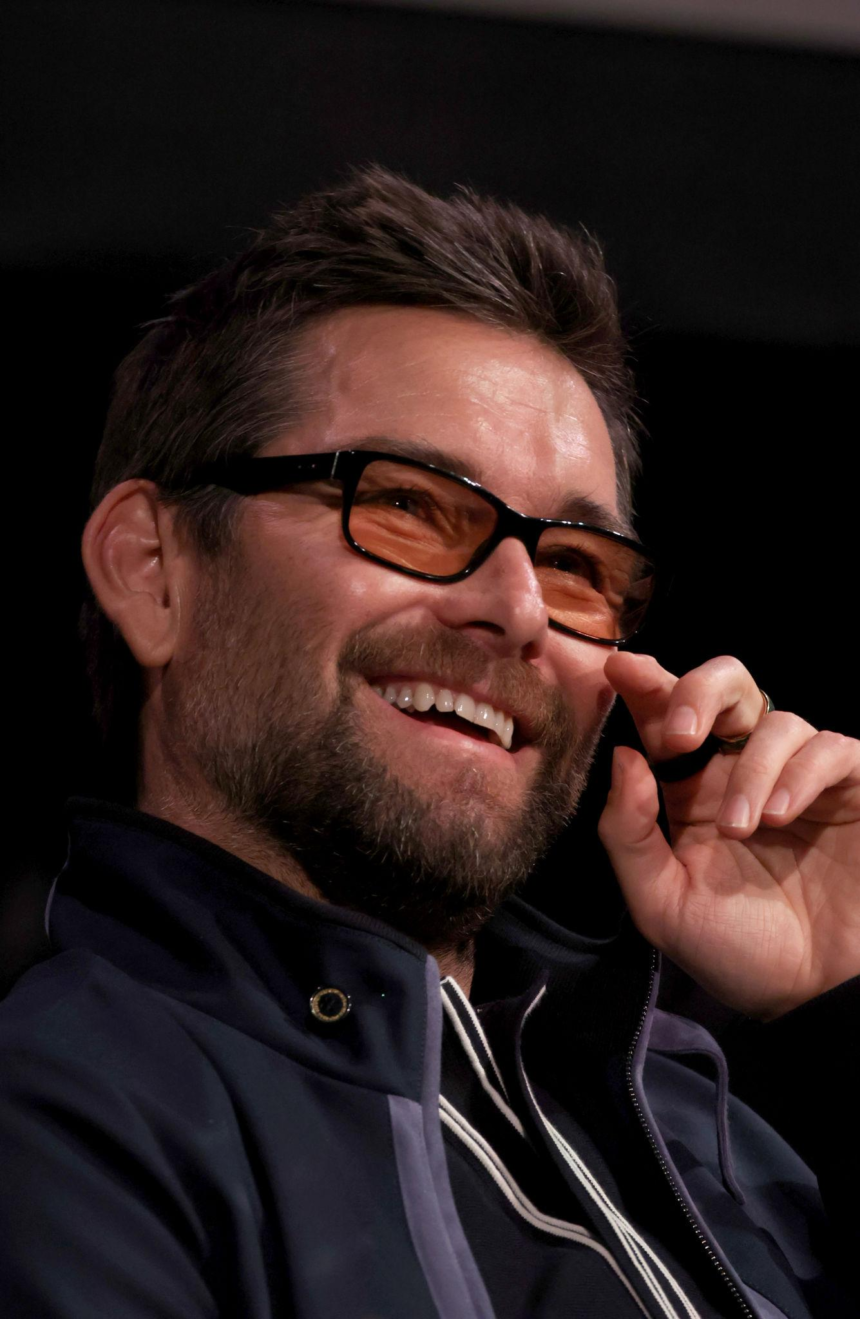
Antony Starr in 2026: Fame, Memes, and a Career in Transition
In 2026, Antony Starr stands at a particularly revealing crossroads in modern entertainment. Known globally for his unsettling portrayal of Homelander in The Boys, Starr is no longer just an actor delivering performances—he has become part of a wider cultural mechanism where image, humor, and internet memory intersect.
- A Viral Moment That Captured the Internet’s Attention
- Why This Image Refuses to Disappear
- The Mechanics of Modern Celebrity: Who Controls the Narrative?
- A Moment That Reflects The Boys Itself
- The Final Chapter of The Boys
- Misreading Homelander: A Cultural Pattern
- Moving Forward: A Strategic Shift to Breakers
- The Evolution of Antony Starr’s Career Identity
- When Performance Becomes Cultural Currency
- Conclusion: A Career Defined by Timing and Control
A seemingly minor moment during a promotional interview has now expanded into a broader conversation about how fame operates in the digital era. It involved a photoshopped image of Jensen Ackles—but the implications stretch far beyond a single joke.
This is not simply about a viral clip. It is about how celebrity identity is shaped, circulated, and sometimes redefined without direct control.
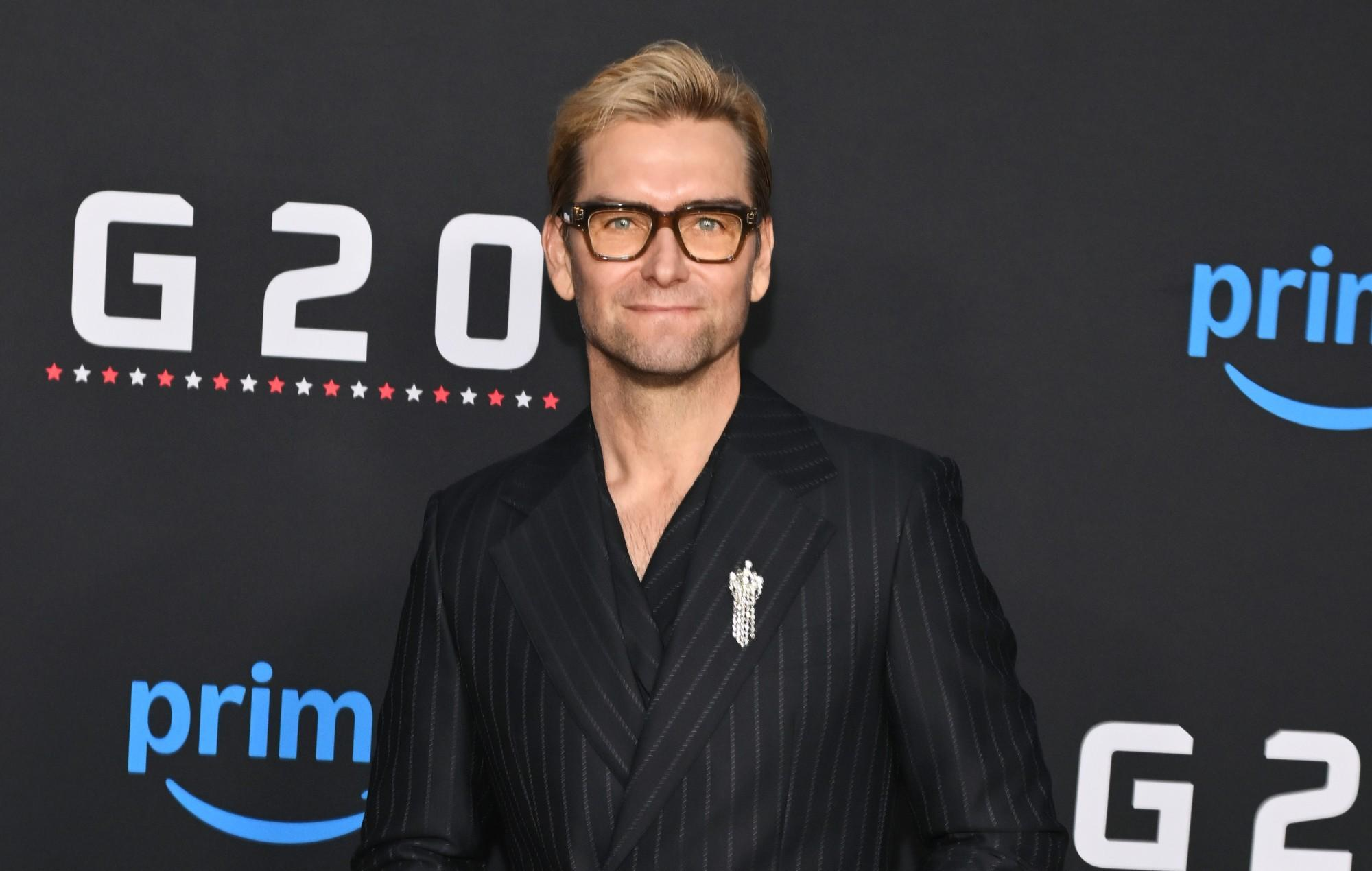


A Viral Moment That Captured the Internet’s Attention
During a press interview promoting the latest season of The Boys, Starr and Ackles were presented with an unusual image: a barbershop-style “before and after” photo depicting Ackles with a nearly bald head alongside a fuller-haired version.
The image, originally used by a Mumbai hair transplant business, immediately triggered an unfiltered reaction.

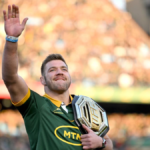
Starr laughed uncontrollably and remarked:
“I need that, will put it on my wall.”
Ackles, equally aware of the image’s longevity, responded:
“Shoutout to that barbershop because this still looks good.”
He added a more reflective note:
“I am not scared I’m not getting paid, but I am scared I keep seeing that picture everywhere. Because it’s been a while.”
He even described it humorously as a “heal and reveal.”



At surface level, the exchange is comedic. But structurally, it highlights a recurring phenomenon: a piece of content originally created for a local purpose has evolved into a global, self-sustaining meme.
Why This Image Refuses to Disappear
The barbershop image dates back to around 2011–2012, first gaining traction on social media before reappearing repeatedly over the years. Its persistence is not accidental—it follows a recognizable pattern in digital culture.
Key dynamics behind its longevity:
- Visual simplicity: A clear “before vs after” transformation makes it instantly understandable
- Celebrity recognition: Ackles’ face gives it immediate familiarity
- Unintentional humor: The exaggerated transformation invites reinterpretation
- Repeatability: It can be reused in multiple contexts—ads, memes, jokes
What began as localized advertising has effectively become a decentralized cultural artifact. Each time it resurfaces, it gains new context and new audiences.
Starr’s reaction, rather than containing the moment, extended its lifecycle. His laughter transformed a static image into a renewed viral event.
The Mechanics of Modern Celebrity: Who Controls the Narrative?
The moment raises a deeper question: who actually benefits when celebrity imagery circulates beyond its original intent?
Observed roles in this ecosystem:
- The originator: A Mumbai barbershop using a recognizable face for marketing
- The subject: Ackles, whose likeness continues to circulate without direct control
- The amplifier: Starr, whose reaction legitimizes the humor
- The audience: Global viewers who sustain the meme through sharing
This is not a traditional endorsement model. There is no contract, no campaign strategy, and no formal approval. Yet the image carries persuasive weight precisely because the actors engage with it playfully rather than rejecting it.
In effect, both Starr and Ackles become participants in an “attention economy” that operates independently of intent.
A Moment That Reflects The Boys Itself
The irony is difficult to ignore. The Boys is a series fundamentally concerned with image manipulation, corporate branding, and the illusion of heroism. The viral barbershop image mirrors those same themes in real life.
Starr’s portrayal of Homelander—a character defined by controlled public perception—adds another layer of interpretation. Viewers even responded to the clip by blurring the line between actor and character:
- “That’s not Antony laughing—that’s Homelander laughing at Soldier Boy.”
This reaction illustrates a critical shift: performances no longer end on screen. They influence how audiences interpret real-world behavior.
The Final Chapter of The Boys
The viral moment arrives at a significant time. The Boys is entering its fifth and final season, with the finale scheduled for May 20, 2026.
Jensen Ackles returns as Soldier Boy, alongside a reunion that includes Jared Padalecki and Misha Collins—a nod to their shared history in Supernatural.
Narratively, the final season is expected to focus on consequence rather than redemption. Starr has emphasized that Homelander is not built for transformation:
- The character lacks meaningful self-reflection
- His psychological structure resists growth
- Resolution will not follow conventional arcs
This reinforces the show’s broader philosophy: power, once corrupted, rarely corrects itself.
Misreading Homelander: A Cultural Pattern
A parallel discussion surrounding Starr involves audience interpretation. Despite Homelander’s role as a cautionary figure, segments of the audience continue to idolize him.
This misreading aligns with broader trends in media consumption:
- Charismatic villains being romanticized
- Visual dominance mistaken for moral authority
- Satire interpreted as endorsement
Starr has addressed this directly, using interviews as a way to clarify intent. His commentary serves as a corrective, attempting to realign perception with narrative purpose.
Moving Forward: A Strategic Shift to Breakers
As The Boys concludes, Starr is transitioning into a markedly different project: the Netflix series Breakers.
Project Overview
- Platform: Netflix
- Format: 8-part drama
- Setting: Western Australia
- Role: Brando, a charismatic yet mysterious surfing community leader
The series follows two backpackers drawn into what appears to be an idyllic surfing community with darker undertones.
This transition is deliberate. Instead of replicating Homelander, Starr is repositioning himself within a different narrative framework:
- From urban dystopia → to coastal psychological drama
- From overt villainy → to ambiguous influence
- From spectacle → to tension-driven storytelling
Production also marks a milestone, as it is among the first major Netflix series filmed in Western Australia, employing over 100 local crew members.
The Evolution of Antony Starr’s Career Identity
Born on October 25, 1975, in New Zealand, Starr has built a career defined by calculated unpredictability. His acting approach emphasizes subtlety—micro-expressions, controlled delivery, and psychological nuance.
Rather than pursuing traditional leading roles, he gravitates toward characters that destabilize audience expectations.
Core characteristics of his career trajectory:
- Preference for morally ambiguous roles
- Emphasis on internal conflict over external action
- Consistent avoidance of typecasting
His estimated net worth, in the multi-million-dollar range, reflects sustained success across international streaming platforms and high-profile productions.
When Performance Becomes Cultural Currency
The viral Ackles image incident demonstrates a broader shift: actors are no longer just performers—they are nodes within a constantly evolving network of cultural exchange.
Starr’s laughter, while spontaneous, became part of a global conversation. It reinforced the meme, aligned with the thematic DNA of The Boys, and extended his public presence beyond scripted work.
This convergence—performance, perception, and participation—is what defines modern celebrity.
Conclusion: A Career Defined by Timing and Control
Antony Starr’s position in 2026 is not defined by a single role or moment, but by how those elements interact.
- A viral meme highlights the unpredictability of fame
- A concluding series cements his legacy
- A new project signals strategic reinvention
What emerges is a pattern: Starr operates in spaces where control and chaos coexist. His performances explore power, while his public moments—intentional or not—reinforce it.
As The Boys approaches its end and Breakers prepares to debut, the trajectory is clear. This is not a conclusion, but a recalibration of influence in an industry increasingly shaped by visibility, memory, and momentum.