



Bahamas in Focus: Paradise, Peril, and the Reality Behind the Headlines
A Tropical Escape Interrupted
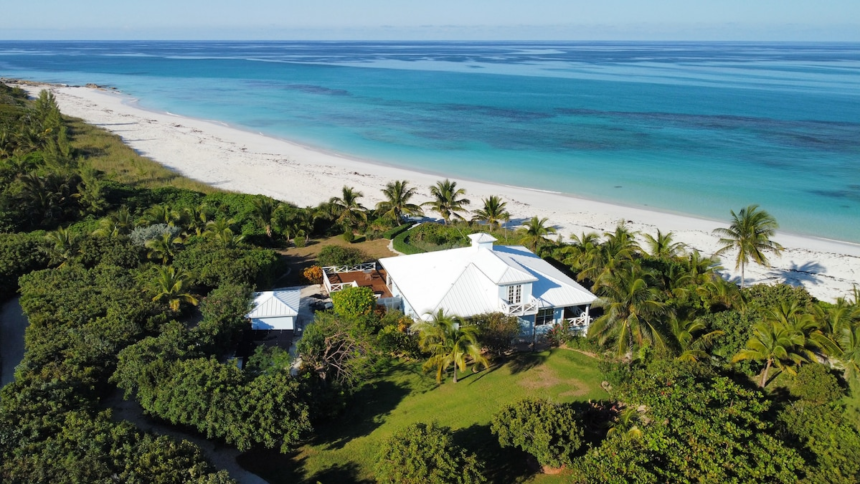
The Bahamas is widely perceived as a postcard-perfect destination—turquoise waters, white sand beaches, and a thriving tourism economy that draws millions annually. Yet recent events unfolding in its waters have underscored a different reality: beneath the calm surface lies an environment that can turn unpredictable and dangerous within moments.
- A Tropical Escape Interrupted
- The Incident: A Timeline of Events at Sea
- The Search Operation: Multi-Agency Response
- Personal Context: A Life at Sea
- Public Reaction and Emerging Questions
- The Bahamas: Beauty Meets Risk
- Broader Implications: What This Case Reveals
- What Happens Next
- Conclusion: A Reminder Beneath the Surface
The disappearance of American tourist Lynette Hooker, a Michigan resident, has brought renewed attention to maritime safety and the risks associated with navigating the Bahamian archipelago. What began as a routine evening boat trip has evolved into an ongoing search operation—and a case raising difficult questions.
The Incident: A Timeline of Events at Sea
Understanding what happened helps clarify both the scale of the response and the inherent risks of the region’s waters.


Departure and Conditions
On Saturday evening, around 7:30 p.m., Lynette Hooker and her husband departed from Hope Town, heading toward Elbow Cay, both located in the Abaco Islands.
They were traveling in a small, 8-foot hard-bottom dinghy, a vessel type typically used for short-distance transport between anchored boats and shore.



The Fall Overboard
At some point during the journey, Hooker fell into the water. According to her husband’s account, she was holding the boat’s key at the time. This detail had immediate consequences:
- The engine shut off
- The vessel lost propulsion
- The situation escalated rapidly due to environmental conditions
Strong ocean currents reportedly carried her away quickly, reducing any chance of immediate recovery.
The Husband’s Return to Shore
With no engine power, her husband was forced to paddle manually. He reached the Marsh Harbour Boat Yard at approximately 4:00 a.m. Sunday, several hours after the incident, where he reported what had occurred.
This delay—combined with the challenging night conditions—significantly impacted early rescue efforts.



The Search Operation: Multi-Agency Response
Following the report, a coordinated search was launched involving:
- The Royal Bahamas Police Force
- The Royal Bahamas Defence Force
- Local emergency responders, including Hope Town Volunteer Fire & Rescue
Authorities conducted an extensive search of surrounding waters. However, initial efforts—lasting several hours—yielded no results.
The case remains under active investigation, with authorities continuing to examine both environmental conditions and the sequence of events.
Personal Context: A Life at Sea
Details emerging about Hooker’s lifestyle provide a deeper human dimension to the story.
She and her husband had spent recent years documenting their boating experiences online, portraying a lifestyle centered around travel, exploration, and maritime living.
Their content often reflected a philosophy of embracing life fully—described in their own words as “living their best life” at sea.
Just hours before the incident, they had shared images from their journey, indicating no apparent distress beyond mentions of challenging weather conditions.
Her daughter has since called for a “full and complete investigation”, emphasizing the need for clarity around the circumstances of her disappearance.
Public Reaction and Emerging Questions
As the story has circulated, it has triggered a mix of sympathy, concern, and skepticism.
Some observers have raised questions about:
- Why assistance was not sought sooner at nearby docks
- The decision to travel in poor weather conditions
- The delay between the incident and official reporting
While such reactions reflect public curiosity and concern, authorities have not confirmed any wrongdoing and continue to treat the matter as an active investigation.
The Bahamas: Beauty Meets Risk
This incident also highlights a broader reality about the Bahamas itself.
Geographic Complexity
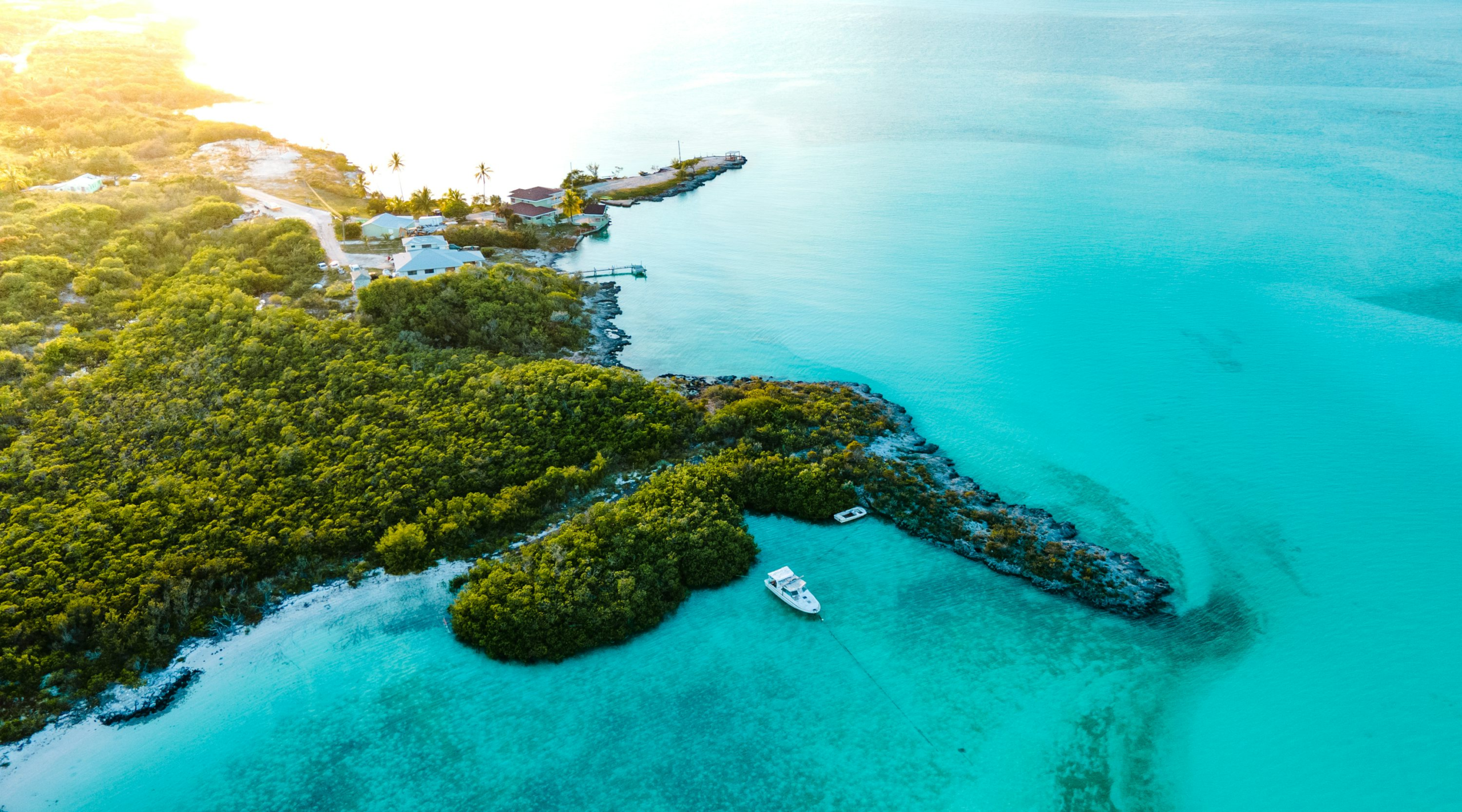
The country consists of over 700 islands and cays, with shallow waters, reefs, and channels that can produce:
- Strong tidal currents
- Rapid weather shifts
- Limited visibility at night
Maritime Dependence
Boating is not optional—it is essential. Many movements between islands rely on small vessels like dinghies, especially in areas such as the Abacos.
Tourism vs. Safety
While tourism drives the economy, safety depends heavily on:
- Weather awareness
- Proper equipment (life jackets, communication devices)
- Experience navigating local waters
Authorities and international agencies routinely advise travelers to exercise increased caution, particularly during unpredictable weather conditions.
Broader Implications: What This Case Reveals
This unfolding situation is not isolated. It illustrates several systemic considerations:
1. Vulnerability of Small Vessels
An 8-foot dinghy offers minimal protection against:
- Open water currents
- Mechanical failure
- Night-time navigation hazards
2. Critical Role of Redundancy
The loss of a single key rendered the engine useless—demonstrating how minor oversights can escalate into life-threatening scenarios.
3. Response Time Sensitivity
In maritime emergencies, minutes matter. Delays—whether due to distance, darkness, or lack of communication—can drastically reduce survival probability.
What Happens Next
The investigation remains ongoing, with several possible developments expected:
- Continued search operations depending on conditions
- Forensic review of timelines and environmental data
- Potential involvement of additional U.S. authorities
The outcome of this case may also influence future safety advisories and operational protocols in the region.
Conclusion: A Reminder Beneath the Surface
The Bahamas remains one of the world’s most sought-after destinations—an environment defined by natural beauty and maritime culture. Yet this incident serves as a stark reminder that even in paradise, conditions can change rapidly and without warning.
For travelers, it reinforces the importance of preparation, situational awareness, and respect for the sea.
For authorities, it underscores the ongoing challenge of balancing tourism with safety in a geographically complex nation.
And for those following the story, it remains a developing situation—one that continues to unfold across the waters of the Abacos.