




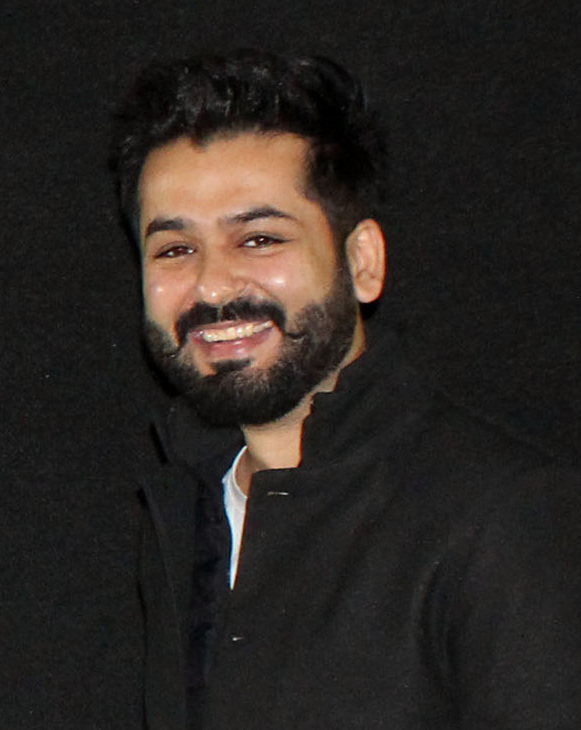
Aditya Dhar: The Architect of India’s New-Age Political Blockbusters
Introduction: A Director at the Center of Cinema and Controversy
Few contemporary filmmakers have reshaped the trajectory of mainstream Indian cinema as decisively as Aditya Dhar. Emerging from a relatively modest background in the industry, Dhar has positioned himself at the intersection of storytelling, national identity, and large-scale cinematic spectacle.
- Introduction: A Director at the Center of Cinema and Controversy
- The Early Breakthrough: Establishing Authority with Uri
- The Dhurandhar Phenomenon: Scale, Impact, and Cultural Reach
- Dhurandhar: The Revenge: Refinement of Craft
- Technical Execution: Precision as a Signature
- Performance Dynamics and Character Depth
- The Politics of Storytelling: Debate and Division
- Audience Reception: Engagement Beyond the Screen
- Strengths and Limitations of Dhar’s Approach
- Industry Positioning: A New Benchmark for Commercial Cinema
- Future Outlook: What Lies Ahead for Aditya Dhar
- Conclusion: A Filmmaker Defining an Era
With projects like Uri: The Surgical Strike and the Dhurandhar franchise, Dhar has not only delivered commercial success but also ignited conversations that extend far beyond cinema—into politics, culture, and public discourse. His latest directorial venture, Dhurandhar: The Revenge, further consolidates his reputation as a filmmaker who blends high-stakes narratives with emotional intensity and technical precision.
This article examines Dhar’s rise, his evolving cinematic language, and the broader implications of his work.
The Early Breakthrough: Establishing Authority with Uri
Aditya Dhar first gained widespread recognition with Uri: The Surgical Strike, a film that demonstrated his command over military drama, pacing, and audience engagement. The film’s success established a template: a tightly structured narrative rooted in real-world events, combined with strong emotional arcs and patriotic undertones.
From that point onward, Dhar’s filmmaking approach became identifiable:
-
High-conviction storytelling
-
Strong central protagonists
-
Integration of real-world geopolitical themes
-
Emphasis on technical excellence
This foundation would later evolve into something more ambitious with the Dhurandhar franchise.


The Dhurandhar Phenomenon: Scale, Impact, and Cultural Reach
The first Dhurandhar film marked a turning point not only for Dhar but for Indian cinema at large. The film:
-
Collected more than a thousand crores at the box office
-
Achieved strong theatrical occupancy for over two months
-
Expanded its reach internationally despite regional restrictions
-
Became a cultural talking point across audiences
The narrative, centered on an Indian spy operating deep within hostile territory, resonated widely. However, it also drew criticism, particularly for its portrayal of geopolitical tensions and its perceived ideological positioning.
Despite bans in regions such as Pakistan and parts of the Gulf, the film maintained global traction—fueled by streaming platforms and widespread audience debate.
Dhurandhar: The Revenge: Refinement of Craft
With Dhurandhar: The Revenge, Dhar shifts from spectacle-driven storytelling to a more character-centric narrative, focusing on the emotional and psychological depth of Jaskirat Singh Rangi (Ranveer Singh).



Narrative Expansion
The sequel explores:
-
The backstory of the protagonist
-
His rise within the Baloch gang in Lyari
-
Internal conflicts between identity, duty, and personal relationships
-
Strategic intelligence operations tied to real-world policy decisions
By structuring the nearly four-hour film into seven chapters, Dhar attempts to deliver a layered narrative that balances action with introspection.
Technical Execution: Precision as a Signature
One of Dhar’s defining strengths is his attention to technical detail. In Dhurandhar: The Revenge, this manifests through:
-
Cinematography: Visually striking compositions by Vikash Nowlakha
-
Editing: Seamless pacing managed by Shivkumar V. Panicker
-
Music: A high-impact background score by Shashwat Sachdev
-
Production Design: Realistic set construction enhancing immersion
These elements collectively elevate the film beyond conventional action thrillers, positioning it as a technically sophisticated production.
Performance Dynamics and Character Depth
Dhar’s direction consistently extracts strong performances from his cast. In this installment:
-
Ranveer Singh delivers a layered portrayal of a spy navigating personal and professional conflict
-
R. Madhavan’s character contributes significantly through key narrative payoffs
-
Supporting actors, including Arjun Rampal and Sanjay Dutt, reinforce the film’s dramatic weight
The emphasis on character-driven storytelling marks a noticeable evolution from the first film, where action sequences dominated the narrative.
The Politics of Storytelling: Debate and Division
A defining aspect of Dhar’s work is its engagement with political themes. The Dhurandhar franchise arrives in a context of heightened tensions between India and Pakistan, and its narrative choices have sparked debate.
Critics argue that such films risk amplifying nationalist sentiment in ways that can deepen existing divides. Others view them as legitimate expressions of national identity and historical perspective.
Producer Jyoti Deshpande addressed this balance directly:
“When a story is inspired by real events and complex geopolitical realities, intent and responsibility must go hand in hand with cinematic ambition.”
This duality—between artistic freedom and socio-political responsibility—remains central to Dhar’s work.
Audience Reception: Engagement Beyond the Screen
What distinguishes Dhar’s films is not just viewership but participation. Audiences:
-
Debate themes and interpretations
-
Engage with characters on a personal level
-
React strongly to key sequences, particularly climactic moments
Reports indicate that Dhurandhar: The Revenge generates significant in-theatre reactions, with audiences responding audibly to major plot developments and twists.
This level of engagement suggests that Dhar’s films function as cultural events rather than passive viewing experiences.
Strengths and Limitations of Dhar’s Approach
Strengths
-
Strong narrative conviction
-
High technical standards
-
Effective blending of action and emotion
-
Ability to create mass appeal while addressing complex themes
Limitations
-
Occasional reliance on convenient screenplay developments
-
Excessive depiction of violence in certain sequences
-
Potential for ideological polarization among audiences
These trade-offs reflect the inherent challenges of working within politically charged subject matter.
Industry Positioning: A New Benchmark for Commercial Cinema
Aditya Dhar represents a broader shift in Indian filmmaking, where:
-
Content-driven narratives coexist with large-scale production
-
Streaming platforms amplify global reach
-
Films operate within both entertainment and socio-political discourse
His projects align with a growing trend of films that combine national themes with commercial viability, alongside titles like The Kashmir Files and The Kerala Story.
Future Outlook: What Lies Ahead for Aditya Dhar
Looking forward, Dhar’s trajectory suggests several possible developments:
-
Expansion of Franchise Storytelling
The success of Dhurandhar indicates potential for further sequels or spin-offs. -
Greater International Collaboration
With global audiences already engaged, cross-border productions may follow. -
Increased Narrative Complexity
Future projects may delve deeper into morally ambiguous storytelling. -
Continued Cultural Influence
Dhar is likely to remain a central figure in shaping discourse around cinema and nationalism.
Conclusion: A Filmmaker Defining an Era
Aditya Dhar’s body of work reflects a deliberate and evolving vision—one that prioritizes conviction, technical excellence, and audience engagement. While his films continue to generate debate, they also demonstrate the power of cinema to provoke thought, evoke emotion, and influence cultural narratives.
With Dhurandhar: The Revenge, Dhar reinforces his position as a filmmaker who not only meets expectations but actively reshapes them. Whether viewed as a storyteller, a strategist, or a provocateur, his impact on contemporary Indian cinema is both significant and enduring.