

NYT Connections May 2, 2026: A Complete Guide to Puzzle #1056
Inside One of the Internet’s Favorite Daily Word Challenges
The New York Times’ Connections puzzle has quickly evolved into a daily ritual for word-game enthusiasts worldwide. Since its launch in 2023, the game has carved out a unique identity—blending logic, vocabulary, and lateral thinking into a deceptively simple format.
On May 2, 2026, puzzle #1056 offered another layered challenge, testing players’ ability to identify subtle relationships between words. With its mix of straightforward associations and more intricate wordplay, this edition stood out as both accessible and intellectually engaging.
This guide breaks down everything you need to know—from how the puzzle works to the specific hints, categories, and final answers—while also exploring why Connections continues to resonate with players globally.
What Is NYT Connections?
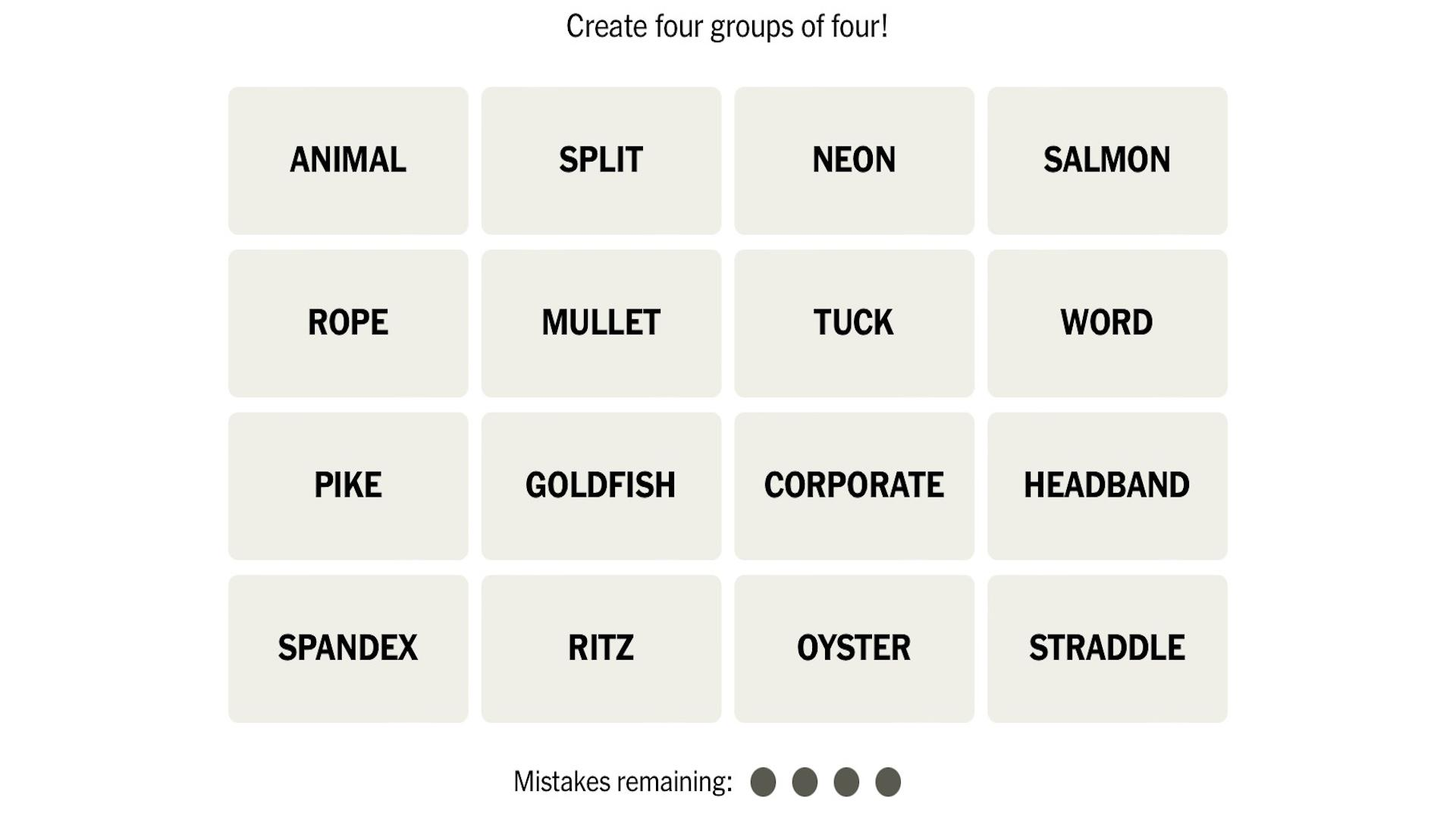
At its core, Connections is a pattern-recognition puzzle. Each day, players are presented with a 4×4 grid of 16 words. The objective is to divide these words into four groups of four, with each group sharing a common theme.
What makes the game compelling is its escalating complexity:
- 🟨 Yellow – The most straightforward category
- 🟩 Green – Moderately challenging
- 🟦 Blue – More abstract or knowledge-based
- 🟪 Purple – The most difficult, often involving wordplay
Players are allowed up to four mistakes, adding a strategic layer to the experience.
Every puzzle resets at midnight in the player’s local time zone, ensuring a shared global experience.
How the Puzzle Works: Strategy Before Solutions
Before diving into the May 2 puzzle itself, it’s important to understand what success in Connections looks like.
The process typically involves:
- Scanning the grid for obvious groupings
- Testing combinations of four words
- Eliminating incorrect patterns using limited attempts
- Recognizing misleading overlaps—where a word could belong to multiple categories
The real challenge lies in distinguishing between surface-level connections and the puzzle’s intended logic.
May 2, 2026 Puzzle #1056: First Hints
For players tackling puzzle #1056, the initial clues pointed toward a mix of conceptual and knowledge-based categories.
Here were the official hints:
- 🟨 Beyond Normal Brain Function
- 🟩 Theatrical Art
- 🟦 Major Power’s Blocks Of Authority
- 🟪 Contains Publication Brands
At first glance, these hints may seem unrelated—but they form the backbone of the puzzle’s four distinct groupings.
Category Breakdown: Understanding the Logic
If the hints weren’t enough, the puzzle eventually revealed its exact categories:
🟨 Yellow — Clairvoyant
This category focused on words associated with extrasensory perception and psychic abilities.
🟩 Green — Staged Performances
A more straightforward grouping centered on performing arts.
🟦 Blue — U.S. Cabinet Departments
This category required some familiarity with American government institutions.
🟪 Purple — Starting With Newspaper Names
The most complex group relied on recognizing embedded newspaper brands within longer words.
The progression from abstract thinking to specific knowledge—and finally to wordplay—perfectly reflects the game’s design philosophy.
Final Answers for Puzzle #1056
For those who want confirmation—or simply couldn’t crack the puzzle—the full solutions were:
🟨 Clairvoyant
- EXTRASENSORY
- MENTAL
- PSYCHIC
- TELEPATHIC
🟩 Staged Performances
- BALLET
- MUSICAL
- OPERA
- PLAY
🟦 U.S. Cabinet Departments
- EDUCATION
- INTERIOR
- STATE
- TREASURY
🟪 Starting With Newspaper Names
- GLOBETROTTER
- HERALDRY
- POST-IT
- TIMES TABLES
Why This Puzzle Stood Out
1. Balanced Difficulty
Puzzle #1056 offered a well-calibrated challenge:
- The Green group (performing arts) was immediately recognizable
- The Blue group required domain knowledge
- The Purple group demanded pattern recognition and linguistic awareness
2. Clever Wordplay
The “Starting With Newspaper Names” category exemplified what makes Connections unique. Words like POST-IT and TIMES TABLES hide familiar publication names, rewarding players who think beyond literal meanings.
3. Educational Value
From government structures to artistic terminology, the puzzle subtly reinforces general knowledge while remaining entertaining.
The Broader Appeal of NYT Connections
The success of Connections lies in its versatility. It appeals to:
- Casual players, who enjoy quick daily challenges
- Puzzle enthusiasts, who appreciate layered complexity
- Social gamers, who compare results and strategies online
Each puzzle becomes a shared cultural moment—similar to Wordle—encouraging discussion, debate, and even memes.
A Growing Ecosystem of NYT Games
Connections is part of a broader portfolio of New York Times puzzles, including:
- Wordle
- Strands
- Mini Crossword
Together, these games form a daily ecosystem of brain teasers that keep users engaged across different formats.
The addition of variations like the Sports Edition further expands its reach, introducing niche audiences to the format.
What Comes Next?
As Connections continues to evolve, future puzzles are likely to:
- Incorporate more nuanced wordplay
- Blend cultural references with logic
- Increase difficulty in higher-tier categories
The formula remains simple, but the execution keeps players returning every day.
Final Thoughts
The NYT Connections puzzle for May 2, 2026 (#1056) exemplifies why the game has become a global favorite. With its mix of logic, vocabulary, and clever design, it transforms a simple word grid into a satisfying intellectual challenge.
Whether you solved it instantly or struggled through multiple attempts, each puzzle offers the same reward: the moment when seemingly unrelated words suddenly click into place.


