Introduction: The Actress Who Refuses Simplicity
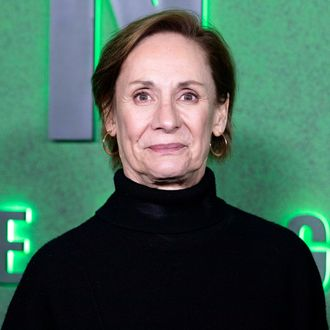
Laurie Metcalf has long been regarded as one of the most formidable actors in American theatre and television. With a career spanning decades, she has built a reputation for portraying characters who are complex, emotionally raw, and unapologetically human.
But in 2026, Metcalf is not only being celebrated for her artistic achievements—she is also at the center of a deeply layered conversation about loyalty, ethics, and artistic collaboration in the modern entertainment industry.
From her commanding presence on Broadway to her award-winning television roles, Metcalf’s journey reflects both the triumphs of a legendary performer and the difficult choices that accompany longevity in a changing cultural landscape.
The First Lady of American Theatre
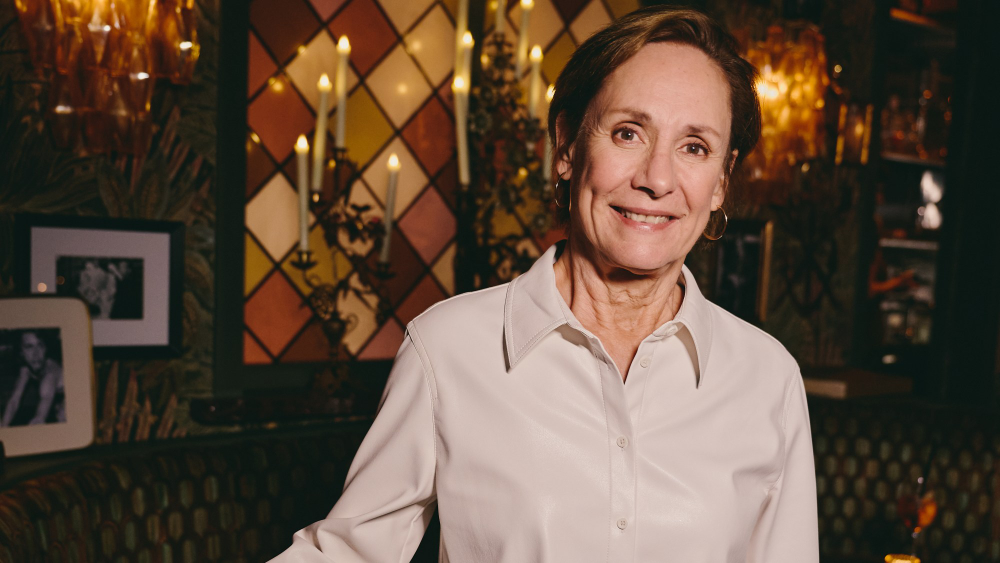
Laurie Metcalf’s influence on stage is undeniable. Her work has earned her multiple Tony Awards, including wins for A Doll’s House, Part 2 and Three Tall Women, along with numerous nominations across her career.
Her impact extends far beyond accolades. Metcalf has consistently gravitated toward roles that challenge conventional storytelling, often portraying women who are flawed, intense, and deeply authentic.
“I want the characters I play to be strong,” she has said. “I want them to be funny, and I want them to be mean and mad sometimes.”
This artistic philosophy has helped shape her identity as a performer—one who resists simplification and embraces contradiction.
From Chicago Roots to Broadway Dominance
Metcalf’s career began in Chicago, where she co-founded the renowned Steppenwolf Theatre Company alongside figures such as Gary Sinise and John Malkovich.
Steppenwolf became a cornerstone of her artistic development, fostering a style of performance grounded in emotional realism and ensemble collaboration. Over time, Metcalf transitioned seamlessly between stage and screen, gaining widespread recognition for her role as Jackie Harris on Roseanne, which earned her multiple Emmy Awards.
Her film work—including Lady Bird, which earned her an Academy Award nomination—further cemented her versatility and range.
Yet despite her success in Hollywood, theatre has remained her artistic anchor.
A Season of Dual Triumphs on Broadway
In the 2025–2026 theatre season, Metcalf achieved a rare feat: leading two major Broadway productions simultaneously.
She starred in:
- Little Bear Ridge Road
- Death of a Salesman alongside Nathan Lane
This dual presence positioned her for multiple Tony nominations in the same season—an extraordinary testament to her enduring relevance and stamina.
However, both productions shared a controversial common thread: they were produced by Scott Rudin.
The Rudin Controversy: Collaboration Under Scrutiny
Scott Rudin, once one of the most powerful producers in Hollywood and Broadway, stepped away from the industry in 2021 following allegations of abusive workplace behavior.
His return to theatre has been met with both skepticism and resistance. Metcalf’s decision to work with him again has therefore drawn significant attention.
Speaking candidly, she acknowledged the complexity of the situation:
“It’s so touchy. It’s so hard.”
Metcalf has defended her choice by pointing to Rudin’s efforts at rehabilitation:
“He talked about his therapy, he apologized, he owned what he said, he reflected on it… unless we think there is no possibility of real rehabilitation, then we shouldn’t ask people to try and do it.”
Her stance has sparked debate within the theatre community, raising broader questions about accountability, redemption, and the ethics of collaboration.
The Steppenwolf Rift: Loyalty Tested
Perhaps the most emotionally charged chapter in Metcalf’s recent story involves her relationship with Steppenwolf Theatre Company.
When Little Bear Ridge Road—originally commissioned by Steppenwolf—was offered a Broadway transfer by Rudin, the company declined to participate due to concerns about aligning with him.
Metcalf, however, took an extraordinary step. According to reports, she threatened to sever ties with the theatre she helped build unless it relinquished the rights to the production.
The company ultimately did so, allowing the show to proceed on Broadway.
The fallout left Metcalf deeply affected. Reflecting on the situation, she admitted:
“I can’t really go into that, because that’s something I haven’t even figured out for myself, my relationship back there.”
She has since stepped back from Steppenwolf’s milestone 50th anniversary season, signaling an unresolved tension between personal history and professional conviction.
A Career Shaped by Complex Relationships
Metcalf’s career has also been defined by other high-profile collaborations, including her long-running partnership with comedian Roseanne Barr.
The two starred together on Roseanne, a show that became a cultural phenomenon. Their relationship, however, evolved over time, particularly after the 2018 revival was canceled following Barr’s controversial remarks.
Reflecting on their current distance, Metcalf noted:
“There’s nothing controversial… We just haven’t spoken since we said goodbye at the end of the reboot.”
This pattern—deep creative partnerships followed by complicated personal dynamics—has become a recurring theme in her professional life.
Artistic Courage in a Changing Industry
Metcalf’s willingness to engage with controversial collaborators has positioned her as both a respected artist and a polarizing figure.
She has openly criticized what she sees as selective moral positioning within the industry:
“I find it hypocritical that some people want to work with him but didn’t want to be the first.”
Her perspective highlights a tension at the heart of contemporary entertainment: the balance between artistic freedom and social accountability.
At a time when audiences and institutions are increasingly scrutinizing ethical conduct, Metcalf’s choices reflect a belief in individual judgment and the possibility of personal change.
Legacy in Motion
Despite the controversies, Laurie Metcalf’s legacy remains firmly rooted in her extraordinary body of work.
She has:
- Won multiple Tony Awards
- Earned several Emmy Awards for Roseanne and other television roles
- Received Academy Award and Golden Globe nominations for Lady Bird
Her ability to move effortlessly between stage, television, and film continues to set her apart in an industry often defined by specialization.
Conclusion: A Career Defined by Bold Choices
Laurie Metcalf’s story is not one of simple success. It is a narrative shaped by artistic brilliance, personal conviction, and difficult decisions.
In 2026, she stands as both a towering figure in American theatre and a symbol of the complexities facing modern artists. Her career invites audiences to consider not only the power of performance but also the human realities behind it.
As she continues to take on challenging roles and navigate controversial terrain, one thing remains clear: Laurie Metcalf is not an artist who seeks comfort—she seeks truth.