A Daily Puzzle That Keeps the World Guessing
Every day, millions of players across the globe pause for a few minutes to tackle a deceptively simple challenge: guess a five-letter word in six tries or fewer. Wordle, the viral word game now owned by The New York Times, has evolved into a cultural ritual, blending language, logic, and a touch of luck.
On Tuesday, April 28, 2026, Puzzle #1774 delivered exactly what seasoned players expect—and fear: a seemingly straightforward word hiding behind a clever linguistic twist.
If you searched for “Wordle answer today,” you were far from alone. This particular puzzle generated strong engagement not because of its obscurity, but because of how cleverly it challenged common solving strategies.
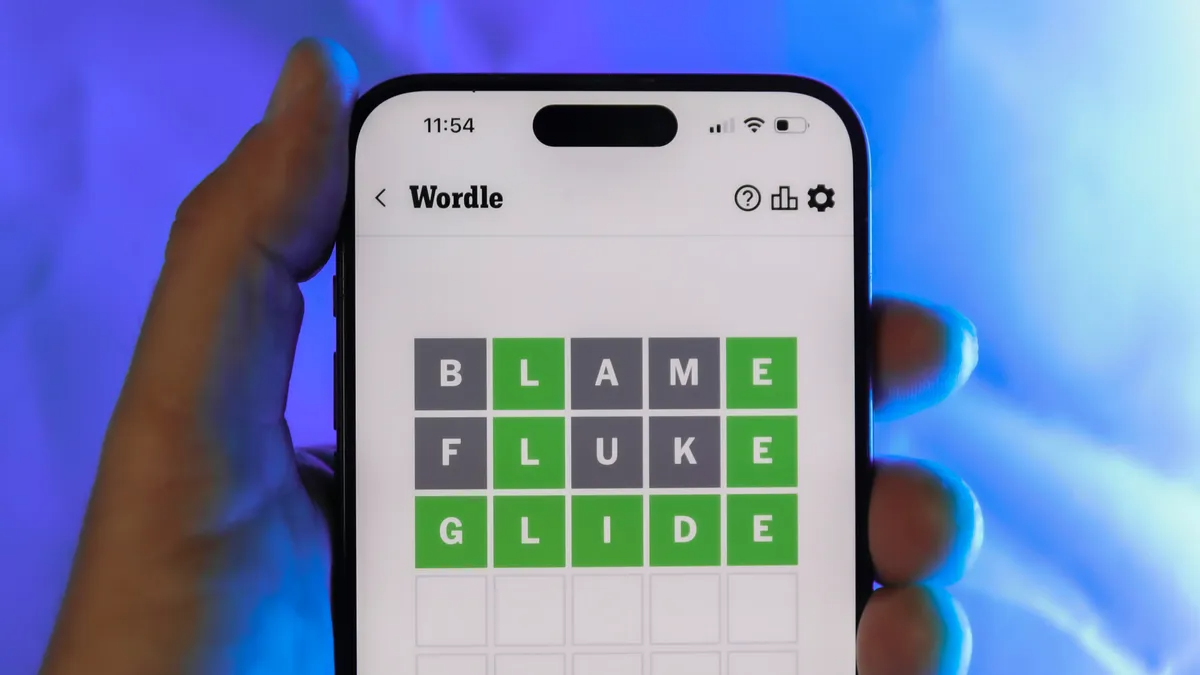
Today’s Wordle Answer (April 28, 2026)
Before diving into strategy and insights, here is the confirmed solution:
QUACK
This five-letter word carries dual meanings:
- The literal meaning: the sound a duck makes
- The figurative meaning: a person who falsely claims professional expertise, especially in medicine
Its playful nature and familiar sound made it recognizable—but not necessarily easy to guess.
Why Today’s Puzzle Was Trickier Than It Looked
At first glance, “QUACK” is a common word. Yet many players struggled. The reason lies in its structure and linguistic characteristics.
1. The Rare “Q” Opening
Words beginning with Q are uncommon in Wordle’s solution set—appearing in less than 1% of cases.
This significantly reduces early guess success, especially for players relying on conventional starting words.
2. The “QU” Pairing Trap
The Q-U pairing is almost mandatory in English spelling, but many players delay testing “Q,” assuming more common consonants first.
3. Familiar Meaning, Unexpected Guess Path
Although the word refers to a well-known sound, players often overthink the puzzle—searching for abstract or uncommon vocabulary instead.
Hints That Guided Players Toward the Answer
For those who approached the puzzle step-by-step, several clues proved decisive:
- Begins with Q
- Ends with a hard “CK” sound
- Contains two vowels and three consonants
- Associated with a duck’s vocalization
- Can describe a sound or slang usage
These hints helped narrow the possibilities—but only for players willing to consider less common letter combinations.
How to Solve Puzzles Like Today’s Wordle
Understanding how today’s puzzle works can improve your future performance. Here’s a practical breakdown of effective solving techniques.
Start With Strong Opening Words
Words like AUDIO, SLATE, or CRANE help identify vowels early. However, today’s puzzle demonstrated their limitation: they often miss rare letters like “Q.”
Don’t Ignore Uncommon Letters
Letters such as Q, Z, and X may appear infrequently, but when they do, they define the puzzle.
Use Feedback Efficiently
Wordle’s color system remains your most valuable tool:
- Green → correct letter and position
- Yellow → correct letter, wrong position
- Gray → not in the word
Using these clues strategically prevents wasted guesses and narrows the solution space quickly.
Think Phonetically
Today’s puzzle rewarded players who recognized sound patterns like “-ACK”, allowing faster deduction once a few letters were identified.
The Role of Strategy in Wordle Success
Many experienced players follow structured solving logic:
- Identify vowels early
- Test uncommon consonants by the third guess
- Explore common endings (e.g., -ACK, -ING, -ED)
- Avoid repeating eliminated letters
This approach reflects broader “Wordle Solver” methodologies used in competitive communities and daily players alike.
Wordle’s Enduring Appeal
Since its creation by Josh Wardle in 2021, Wordle has become more than just a game—it’s a global daily ritual.
Its appeal lies in three core factors:
- Simplicity: One puzzle per day, easy rules
- Scarcity: Limited attempts increase engagement
- Community: Shared experiences across millions of players
Unlike unlimited puzzle variants, the official format reinforces anticipation and discussion around each day’s solution.
What Today’s Puzzle Teaches
The April 28 challenge highlights a broader truth about Wordle:
The hardest puzzles aren’t always obscure—they’re the ones that challenge your assumptions.
“QUACK” is a word most players know instantly, yet many struggled because they approached the puzzle with predictable strategies.
This blend of familiarity and misdirection is precisely why Wordle continues to dominate search trends and maintain its cultural relevance.
Final Takeaway
Today’s Wordle puzzle (#1774) reinforces the essence of the game: simple mechanics layered with clever linguistic design.
Whether you solved it in two guesses or barely made it to the sixth, the experience contributes to the same outcome—sharper instincts for tomorrow’s challenge.
And as always, the next puzzle is only a day away.


