From ’90s Icon to Modern Storyteller
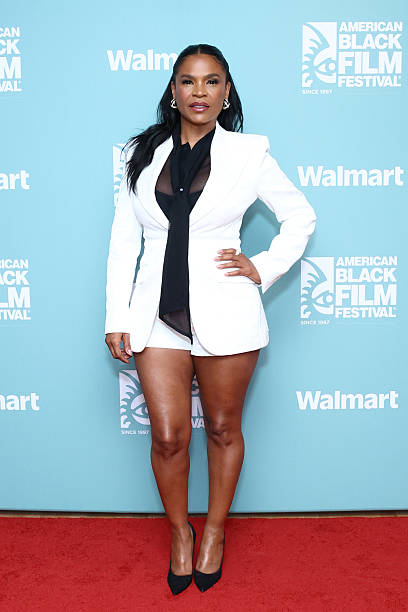
Few actors have managed to leave an imprint on film culture quite like Nia Long. Across decades, her work has not only defined eras—particularly the golden age of 1990s Black cinema—but has also evolved alongside shifting narratives about identity, love, family, and resilience.
From romantic classics to contemporary biopics, Nia Long’s movies form a cinematic journey that reflects both personal artistry and broader cultural transformation. Her latest role in the 2026 biopic Michael underscores how her career continues to expand, adding new dimensions to an already influential filmography.
The Foundations: Defining an Era of Black Cinema
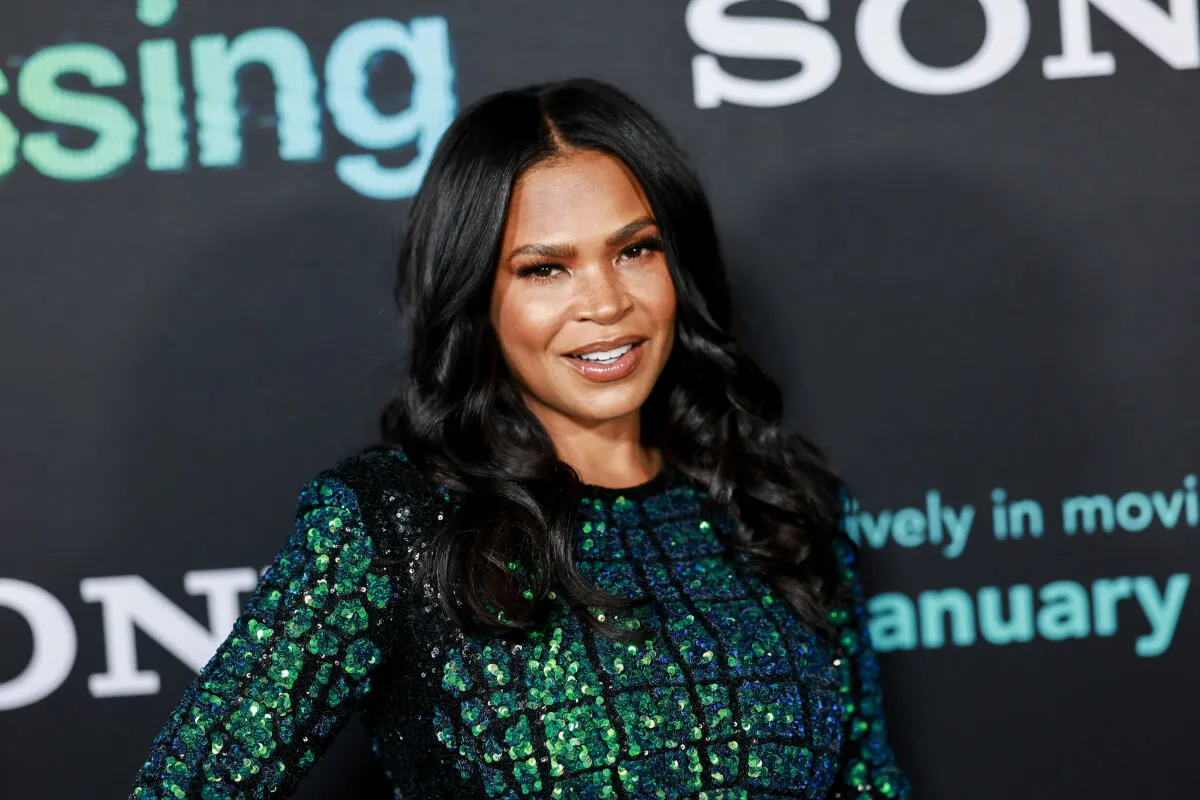
Nia Long’s legacy is inseparable from the wave of films that redefined Black storytelling in Hollywood during the 1990s. Performances in films such as Love Jones and The Best Man helped shape a new cinematic language—one centered on nuanced Black characters, modern romance, and emotional authenticity.
Her portrayal of Nina in Love Jones remains one of the most celebrated roles in romantic drama history. Similarly, her role as Jordan Armstrong in The Best Man franchise captured ambition, vulnerability, and complexity in ways rarely seen at the time.
These films did more than entertain—they created cultural touchstones. As Long herself explains, audiences connected deeply with her work because of its authenticity:
“My commitment to work is not for accolades or attention… but I do think because of my commitment to truth and purpose, there is a thing… that people see in my work.”
Expanding the Range: Beyond Romance
While often associated with romantic dramas, Nia Long’s movie career extends far beyond a single genre. Over time, she has demonstrated a consistent ability to adapt, choosing roles that reflect evolving narratives about womanhood, family, and identity.
Her approach is intentional. Rather than chasing visibility, she prioritizes authenticity and representation:
“I work hard to make sure that when I represent us, it’s not just someone putting their agenda on me.”
This philosophy has allowed her to maintain both artistic integrity and cultural relevance, even in an industry known for its volatility—particularly for Black actresses.
A New Chapter: Michael (2026) and the Power of Restraint
In 2026, Nia Long returns to the spotlight with a major role in Michael, a biographical film about Michael Jackson’s life and career. In the film, she portrays Katherine Jackson, the singer’s mother and the emotional anchor of the Jackson family.
The film, directed by Antoine Fuqua, focuses on Jackson’s early life and rise to global stardom, with Long’s performance serving as a critical emotional foundation.
What distinguishes Long’s role is her deliberate use of restraint. Rather than dominating scenes, she emphasizes stillness and subtlety:
- Her portrayal centers on quiet strength
- Emotion is conveyed through presence rather than dialogue
- The performance reflects a philosophy she describes simply as “grace”
“Sometimes grace is really quiet.”
This approach aligns with her broader acting philosophy—prioritizing empathy over judgment:
“I wouldn’t say judgment… I would definitely say empathy.”
The result is a performance that redefines how maternal figures are represented in major Hollywood productions.
Behind the Scenes: Craft, Pressure, and Purpose
Taking on the role of Katherine Jackson came with significant expectations. As one of the most recognizable families in entertainment history, the Jacksons carry immense cultural weight.
Long acknowledged the pressure of interpreting such a figure:
“I prayed a lot… what the world needs my interpretation to be is kind of beyond my control.”
Despite creative challenges—including changes to the film’s narrative—she expressed confidence in the final product:
“The version everyone will see is really, really spectacular and entertaining… I think Michael would be happy.”
The film itself runs for 2 hours and 7 minutes and was released on April 24, 2026, marking a significant milestone in her modern film career.
Beyond Acting: Producing, Storytelling, and Second Acts
Nia Long’s film journey is no longer confined to acting alone. As she enters a new phase of her career, she is increasingly focused on producing and developing original stories.
One such project is Don’t Ever Wonder, a romantic dramedy that explores life after children leave home—a theme rarely examined in mainstream cinema.
The film represents a thematic evolution:
- Moving from young love to mature relationships
- Exploring second chances and emotional reinvention
- Reflecting real-life experiences of aging and change
“This is a continuation of love,” Long explains, emphasizing the film’s focus on life’s later chapters.
Cultural Impact: Redefining Beauty, Aging, and Representation
Nia Long’s influence extends far beyond her filmography. She has become a symbol of evolving beauty standards and representation in Hollywood.
For decades, she has been associated with the concept of “’90s Fine”—a cultural ideal that reshaped perceptions of Black beauty. Yet, her personal journey reveals a more complex story:
“I didn’t feel beautiful until Black Hollywood said I was beautiful.”
Today, at 55, she continues to challenge industry norms around aging:
- Rejecting unrealistic beauty expectations
- Embracing physical and emotional change
- Advocating for balance and self-acceptance
“I don’t deprive myself of anything that I want,” she says. “I find the balance.”
The Evolution of Nia Long Movies
Looking at Nia Long’s movies as a whole reveals a clear trajectory:
Phase 1: Cultural Breakthrough
- Romantic dramas and ensemble films
- Focus on identity, love, and ambition
Phase 2: Diversification
- Broader roles across genres
- Strong emphasis on authenticity and representation
Phase 3: Legacy and Reinvention
- Complex maternal and leadership roles
- Increased involvement behind the camera
- Exploration of mature narratives
Her work in Michael signals the culmination of these phases—bringing together experience, restraint, and emotional depth.
Conclusion: A Career Defined by Purpose
Nia Long’s movies are more than a collection of performances—they represent a sustained commitment to truth, representation, and emotional storytelling.
From iconic roles in Love Jones and The Best Man to her transformative performance in Michael, she has consistently chosen projects that resonate on a deeper cultural level.
As Hollywood continues to evolve, Nia Long remains both a product of its history and a force shaping its future—an actress whose work continues to inspire, challenge, and redefine what stories deserve to be told.