

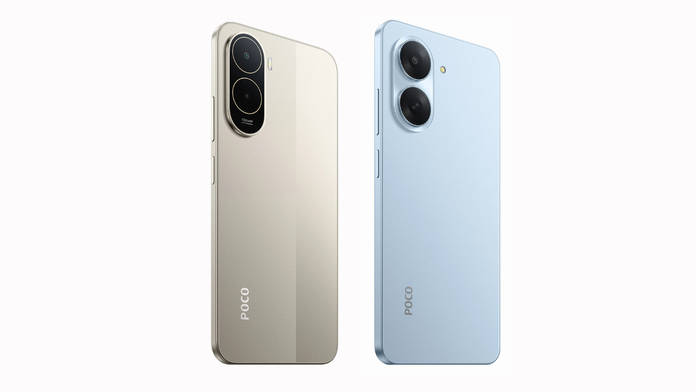
Poco C81 and C81X Launch: Budget Phones Push Bigger Screens, Bigger Batteries
A Strategic Move in India’s Budget Smartphone Battlefield
Poco has officially expanded its entry-level smartphone lineup with the launch of the Poco C81 and Poco C81X, marking a calculated push into the highly competitive sub-₹11,000 segment. The devices debuted in India on April 23, 2026, with sales scheduled to begin on April 27 via Flipkart.
The launch signals Poco’s continued focus on affordability while incrementally improving core features such as battery capacity, display refresh rates, and software longevity. Positioned as successors in the C-series—particularly following the Poco C71—the new models aim to attract users seeking reliable, everyday smartphones without stretching their budgets.
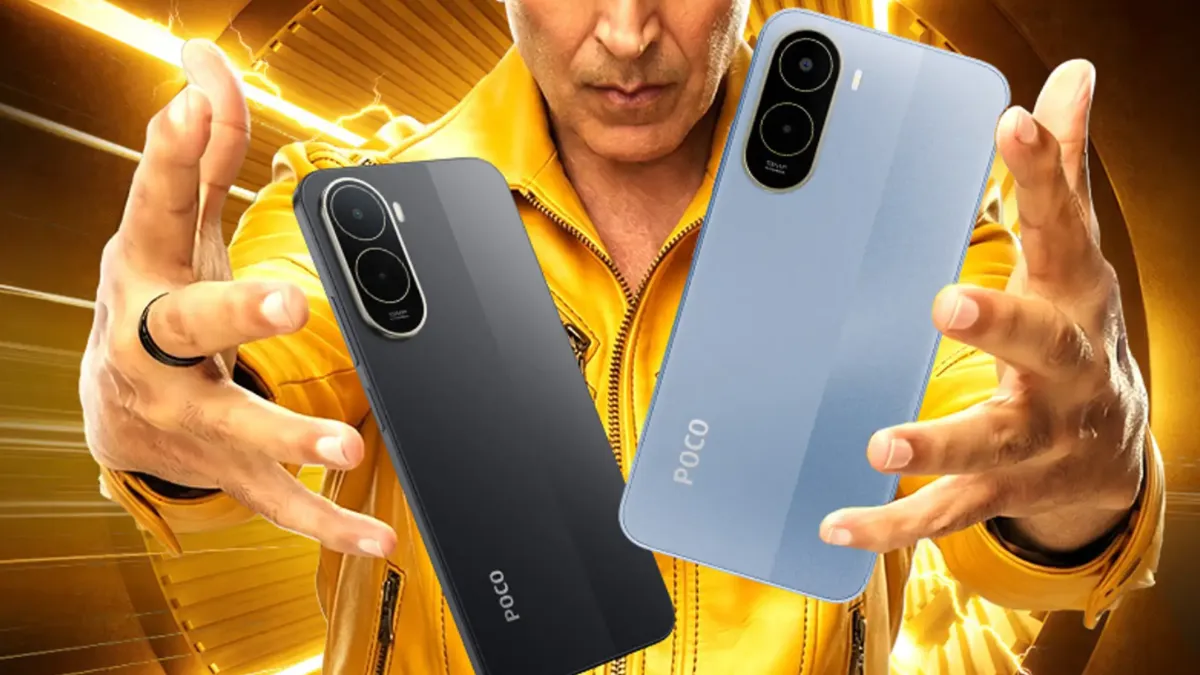
What’s New: Bigger Batteries, Smoother Displays
At the heart of the Poco C81 series lies a clear emphasis on battery endurance and display fluidity, two features that increasingly define user experience in budget smartphones.
The Poco C81 stands out with a 6,300mAh battery, one of the largest in its price category, complemented by 15W wired charging and 7.5W reverse wired charging, allowing the device to function as a power bank for smaller gadgets. Meanwhile, the C81X offers a slightly smaller but still substantial 5,200mAh battery.
Both devices feature 120Hz refresh rate displays, a specification that was once exclusive to premium smartphones. The C81 sports a 6.9-inch HD+ panel, while the C81X comes with a 6.88-inch screen, ensuring smoother scrolling and improved visual responsiveness across apps and interfaces.
Performance and Hardware: Built for Everyday Use
Under the hood, both smartphones are powered by the Unisoc T7250 octa-core processor, paired with LPDDR4X RAM and UFS 2.2 storage. This configuration is designed to handle routine tasks such as messaging, browsing, and streaming with relative ease.
While not built for high-end gaming or intensive multitasking, the chipset is considered adequate for the target audience—users who prioritize reliability and battery life over raw performance.
The devices also support expandable storage up to 2TB, ensuring flexibility for users who rely heavily on media and file storage.
Software Experience and Longevity
One of the most notable distinctions between the two models lies in their software support.
- Poco C81: Ships with Android 16 and HyperOS 3, offering up to four OS upgrades and six years of security updates.
- Poco C81X: Runs Android 15 with HyperOS 2, with a more limited update cycle of two OS upgrades and four years of security patches.
This divergence highlights Poco’s attempt to create a tiered offering even within the budget segment, where long-term software support is becoming an increasingly important purchasing factor.
Camera Capabilities: Modest but Functional
Photography remains a secondary focus in this segment, and the Poco C81 series reflects that reality.
Both devices include a 13MP primary rear camera, with the C81 featuring a dual-camera setup and the C81X opting for a simpler single-lens configuration. On the front, users get an 8MP selfie camera designed for video calls and casual photography.
Additional features such as HDR, night mode, and AI enhancements aim to improve usability, though expectations remain aligned with the devices’ entry-level positioning.
Design and Practical Features
Despite their affordability, the Poco C81 and C81X incorporate several practical design elements:
- Side-mounted fingerprint scanner
- 3.5mm headphone jack
- IP52 dust and splash resistance
- Dedicated microSD slot
- Multiple color options
The devices also integrate features like Wet Touch Technology 2.0, ensuring responsiveness even when the screen is exposed to moisture—an increasingly useful addition for everyday scenarios.
Pricing and Market Positioning
Poco has priced the devices aggressively to compete in one of the most crowded smartphone categories:
- Poco C81 (4GB + 64GB): ₹10,999
- Poco C81X (3GB + 64GB): ₹9,999
At this price point, the phones compete directly with models like the Realme P4 Lite 4G and Ai+ Nova 2. While competitors may offer stronger chipsets or 5G support, Poco is betting on battery size, display smoothness, and software polish as its key differentiators.
Market Implications: A Shift in Budget Expectations
The Poco C81 series reflects a broader trend in the smartphone industry: premium features trickling down into budget devices.
Key shifts include:
- 120Hz displays becoming standard even below ₹11,000
- Battery capacities exceeding 6,000mAh in entry-level phones
- Longer software support cycles as a competitive advantage
These changes are gradually redefining what consumers expect from affordable smartphones, forcing manufacturers to innovate even at the lowest price tiers.
Conclusion: Incremental Innovation with Strategic Intent
The launch of the Poco C81 and C81X is less about radical innovation and more about refinement and strategic positioning. By focusing on high-impact features—battery life, display quality, and software support—Poco has crafted devices that align closely with the priorities of budget-conscious consumers.
As competition intensifies in the entry-level segment, the success of the C81 series will depend on how effectively these incremental improvements resonate with users seeking reliability, longevity, and value for money.


