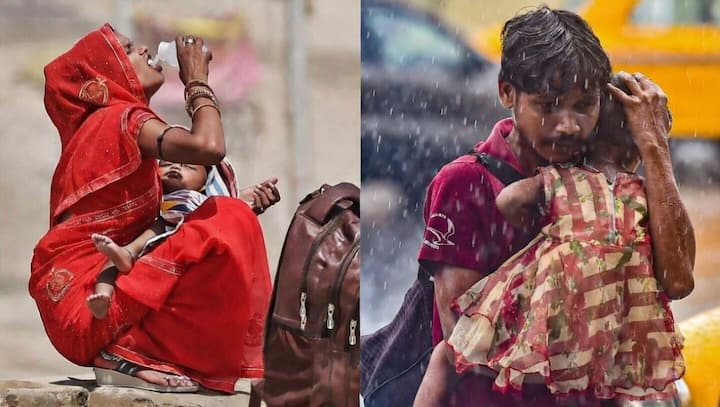
A Nation Divided by Climate Extremes
India is currently witnessing a striking meteorological paradox. While some regions brace for floods and torrential rains, others are battling relentless heatwaves. The India Meteorological Department (IMD), the country’s primary weather forecasting authority, has issued multiple alerts, signaling that this volatile weather pattern is far from over.
From the northeastern states facing the threat of flooding to northern plains enduring scorching temperatures exceeding 40°C, the situation highlights the growing complexity of India’s climate system. The IMD’s latest forecasts reveal a country split between extremes—one soaked in rain and the other scorched by heat.
IMD Alerts: A Dual Weather Crisis Unfolds
Heatwave Grips North and Central India
Large parts of North and Central India are experiencing intense heatwave conditions. Cities across Delhi, Uttar Pradesh, Rajasthan, Madhya Pradesh, and Bihar have recorded temperatures above 40°C, with some regions nearing 45°C.
The IMD has warned that this heatwave is likely to persist for several days, with temperatures expected to rise further by 2–4 degrees Celsius.
In Delhi specifically, the maximum temperature is projected to hover around 42°C, with unusually warm nights offering little relief.
The department defines a heatwave as a condition where temperatures exceed normal levels by 4.5°C to 6.4°C, or when actual temperatures cross 45°C in the plains.
Heavy Rain and Flood Threat in Northeast
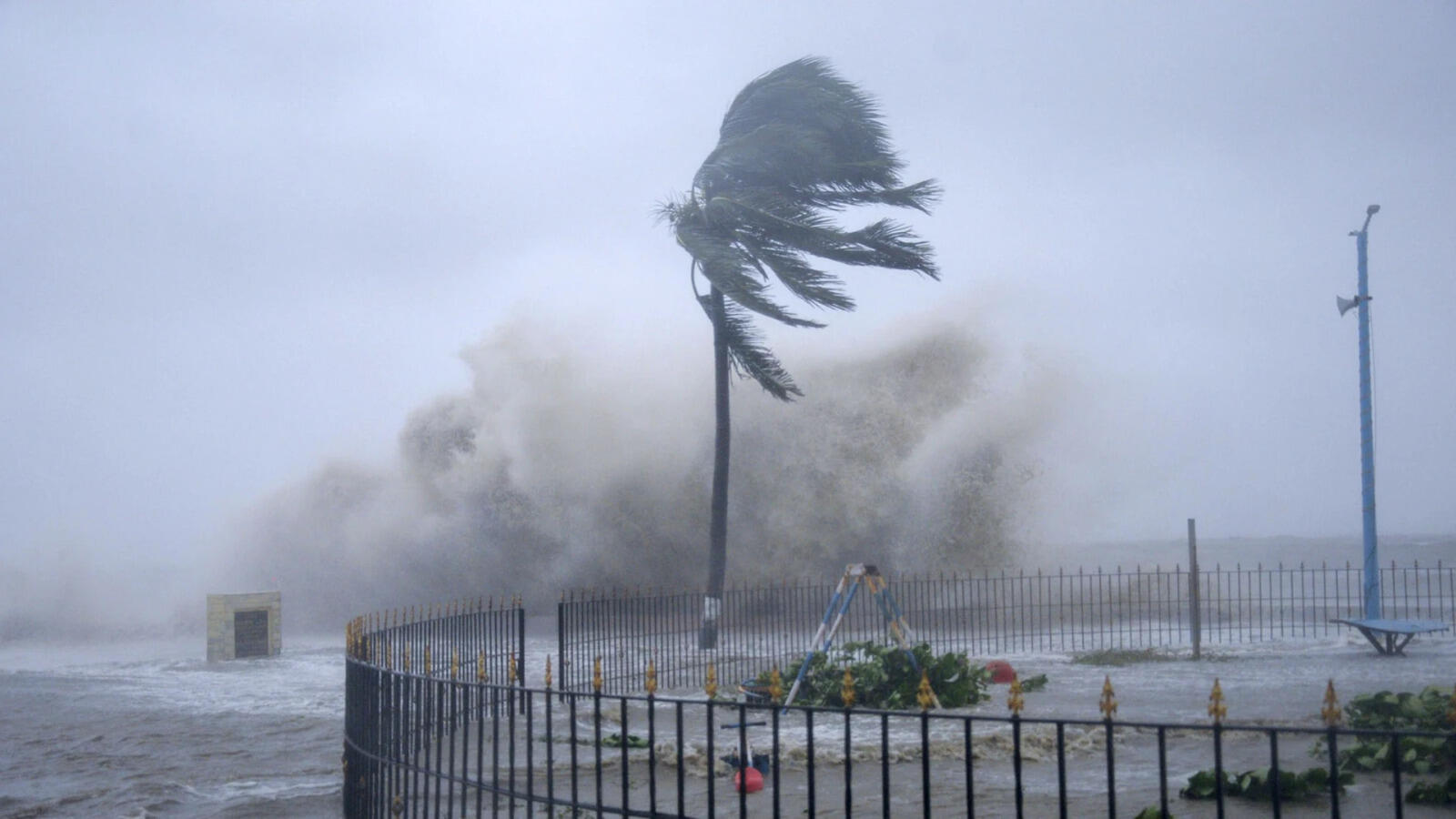
In stark contrast, northeastern states such as Assam, Meghalaya, Arunachal Pradesh, and others are experiencing heavy rainfall and storm warnings. These regions are expected to face severe weather for several consecutive days, increasing the risk of flooding.
Strong winds, thunderstorms, and lightning are also forecast, with wind speeds reaching up to 70 km/h in some areas.
Sub-Himalayan regions, including parts of West Bengal and Sikkim, are likely to receive intense rainfall, further compounding flood risks.
Western Disturbances and Climate Forces at Play
Meteorologists attribute this unusual weather pattern to a combination of atmospheric systems and broader climatic changes.
A strong western disturbance—an extratropical storm originating from the Mediterranean region—is currently influencing weather across northern and eastern India. This system, combined with moisture-laden winds from the Bay of Bengal, has created conditions conducive to thunderstorms and heavy rainfall.
At the same time, global climate change and phenomena like El Niño are intensifying weather variability. Rising global temperatures are amplifying both heatwaves and extreme rainfall events, making weather patterns increasingly unpredictable.
Storm Warnings Across Multiple States
The IMD has issued alerts for thunderstorms and heavy rain in at least 12–13 states, including Bihar, Jharkhand, Odisha, and several northeastern states.
These storms are expected to bring:
- Wind speeds of 50–70 km/h
- Lightning and hailstorms
- Temporary drops in temperature by 3–5°C
While the rainfall may provide short-term relief from the heat, it is also expected to increase humidity levels, leading to discomfort and potential health risks.
Southern India: Rain, Winds, and Humidity
Southern states like Kerala, Karnataka, and Telangana are also expected to witness light to moderate rainfall accompanied by thunderstorms.
Coastal regions may experience humid conditions due to warm and moist winds, adding to the discomfort even in areas not directly affected by heatwaves.
Impact on Daily Life and Infrastructure
The extreme weather conditions are already affecting daily life across India:
- Public health risks: Heatwaves pose serious threats, especially to the elderly, children, and those with pre-existing conditions.
- Agricultural damage: Strong winds and hailstorms can destroy crops, prompting the IMD to advise farmers to store produce safely.
- Transport disruptions: Storms and reduced visibility may lead to delays and accidents.
- Urban stress: Cities are witnessing increased electricity demand, water shortages, and air quality concerns.
In some regions, authorities have taken preventive steps such as adjusting school timings and issuing advisories to limit outdoor activity during peak heat hours.
IMD Advisory: Precautions for Citizens
The Meteorological Department has urged citizens to remain vigilant and take necessary precautions:
- Avoid direct exposure to sunlight during peak hours
- Stay hydrated and use protective measures like umbrellas and sunscreen
- Secure loose objects and avoid standing near trees or electric poles during storms
- Farmers should protect crops from hail and heavy winds
These advisories highlight the growing need for climate awareness and preparedness at both individual and institutional levels.
The Bigger Picture: Climate Change and India’s Weather Future
India’s current weather scenario is more than just a seasonal anomaly—it reflects a broader shift in climate behavior. The simultaneous occurrence of heatwaves, heavy rainfall, and storms underscores the increasing frequency of extreme weather events.
Experts suggest that such patterns may become more common due to:
- Rising global temperatures
- Changing oceanic conditions
- Increased atmospheric moisture
The IMD’s forecasts indicate that unpredictable weather will likely continue in the coming days, reinforcing the urgency for adaptive strategies and resilient infrastructure.
Conclusion: A Warning Sign for the Future
The India Meteorological Department’s latest alerts paint a clear picture: India is entering an era of heightened climate volatility. With floods in one region and extreme heat in another, the country faces a dual challenge that demands immediate attention.
As weather patterns grow more erratic, the role of accurate forecasting and timely advisories becomes increasingly critical. For citizens, businesses, and policymakers alike, adapting to this new climate reality is no longer optional—it is essential.